
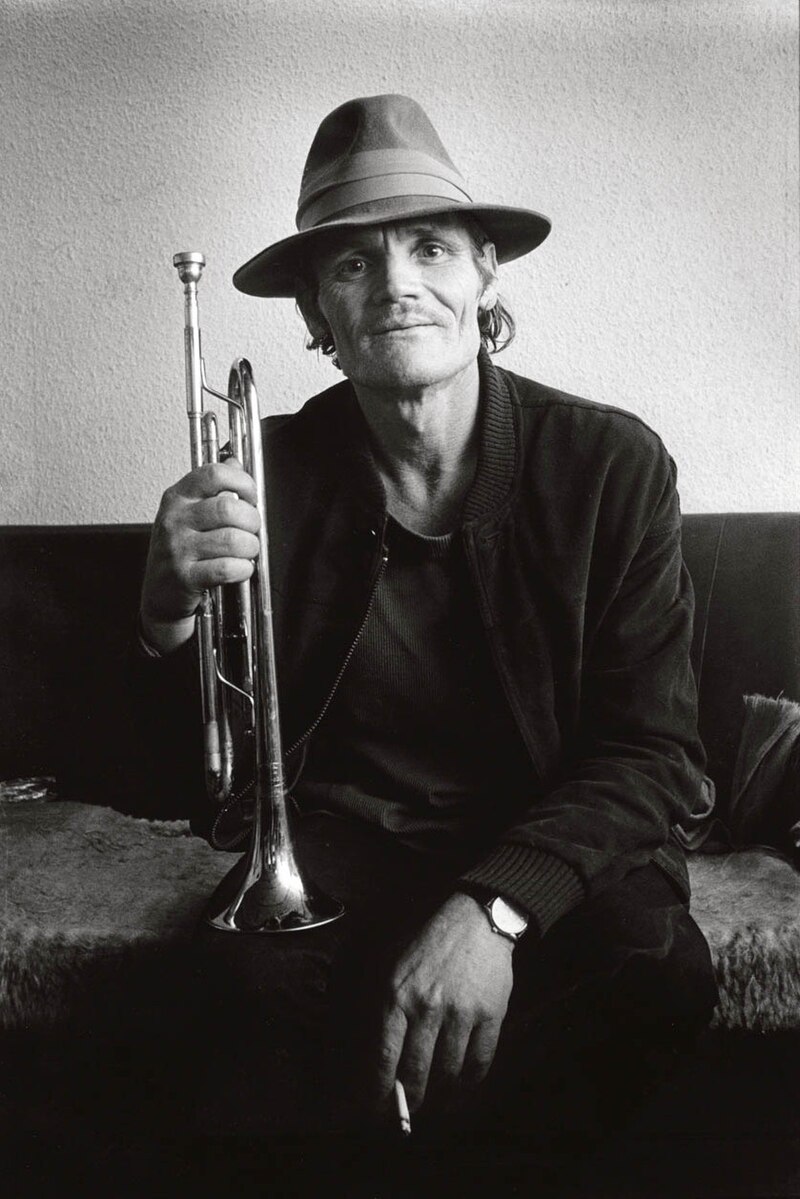
Chet Baker, born Chesney Henry Baker Jr. on December 23, 1929, in Yale, Oklahoma, is widely regarded as one of the greatest trumpeters in the history of jazz. Known for his lyrical playing style and his unique vocal timbre, Baker’s life was as tumultuous as it was illustrious. This article explores the life, fame, and highlights of Chet Baker, providing detailed insights into his journey from a young musician to a legendary figure in jazz.
Early Life and Musical Beginnings
Chet Baker was introduced to music at an early age by his father, who was an amateur guitarist. At thirteen, his father gifted him a trombone, but Baker found it too difficult to play. He soon switched to the trumpet, which became his instrument of choice. Around this time, his family moved to Glendale, California. Baker played in the school band and worked at a local bowling alley to help support his family.
In 1946, Baker enlisted in the U.S. Army and was stationed in Berlin. There, he played in the 298th Army Band. However, due to behavioral issues and a series of psychiatric evaluations, he was discharged and declared unfit for full-time military service.
Rise to Fame in the 1950s
Determined to pursue a career in music, Baker returned to California and immersed himself in the West Coast jazz scene. His big break came on September 2, 1952, when he recorded with saxophonist Gerry Mulligan. During this session, Baker’s rendition of “My Funny Valentine” became iconic, establishing him as a leading figure in the “cool jazz” movement.
Shortly after, Baker was invited by Dick Bock of World Pacific Records to audition for Charlie Parker at the Tiffany Club in Los Angeles. Parker, impressed by Baker’s talent, included him in his ensemble. This collaboration significantly boosted Baker’s reputation in the jazz community.
Establishing a Solo Career
Baker’s time with Mulligan’s quartet, although brief, was highly influential. The group’s innovative “West Coast sound” became a defining feature of the cool jazz genre. Despite his rising fame, Baker’s life was increasingly marred by his heroin addiction, which would persist for over three decades.
In 1953, Baker formed his own quartet, further cementing his status as a prominent jazz musician. His ability to blend his trumpet playing with vocal performances set him apart from his peers. His intimate, soft-spoken singing style, exemplified in songs like “But Not for Me” and “I Fall in Love Too Easily,” earned him a dedicated following.
Personal Struggles and Legal Issues
By the mid-1950s, Baker was considered one of the best trumpeters in America. In 1955, he was voted the best trumpeter in the “Down Beat” magazine poll, outshining contemporaries like Dizzy Gillespie and Miles Davis. However, his career was increasingly disrupted by his addiction to heroin, leading to multiple arrests and incarcerations.
Baker’s move to Europe in the early 1960s was partly an attempt to escape his legal troubles in the United States. He spent significant time in Italy and France, where he continued to perform and record. During this period, he met and married English model Carol Jackson, with whom he had three children.
The Decline and Rebirth
In 1966, Baker’s career took a severe hit when he was violently assaulted, leading to the loss of his front teeth. This incident, compounded by his ongoing addiction, forced him into a period of obscurity. For a few years, Baker vanished from the jazz scene, taking on menial jobs to survive.
A chance encounter with a jazz enthusiast led to Baker receiving financial assistance to get dental prosthetics. This support allowed him to resume playing the trumpet, albeit with a modified technique. In the late 1960s, he returned to the United States and began collaborating with prominent musicians like guitarist Jim Hall.
Later Career and Continued Struggles
Despite his ongoing battle with addiction, Baker found a renewed sense of purpose in the 1970s. He relocated to Europe, where he enjoyed more artistic freedom and less legal scrutiny. Amsterdam became his base, where he indulged in the city’s permissive drug culture. However, he also produced some of his most profound work during this period, often performing with Italian flutist Nicola Stilo.
Baker’s contributions to film also became notable during this time. He appeared in several Italian films and recorded memorable soundtracks. His collaborations with Elvis Costello in the late 1970s and early 1980s brought his music to a new generation of listeners.
The Final Years
Chet Baker’s final years were a mix of remarkable musical achievements and tragic personal struggles. His last concert took place on April 28, 1988, in Hannover, Germany. This performance, dedicated to him, featured an orchestra of over sixty musicians and is remembered for its emotional intensity, particularly his extended rendition of “My Funny Valentine.”
Tragically, Baker’s life came to an abrupt end on May 13, 1988. He was found dead on the sidewalk outside the Prins Hendrik Hotel in Amsterdam. The circumstances of his death remain mysterious, with theories ranging from accidental fall to more sinister possibilities. Baker was 58 years old.
Legacy and Influence
Chet Baker’s impact on jazz is immeasurable. His contributions to the cool jazz genre and his innovative approach to trumpet and vocal performances have left a lasting legacy. Despite his personal demons, Baker’s artistry and emotional depth continue to inspire musicians and listeners worldwide.
His life has been the subject of numerous biographies, documentaries, and films, reflecting the enduring fascination with his music and turbulent life. In 2011, Italian writer Roberto Cotroneo’s book “E nemmeno un rimpianto” (Not Even a Regret) delved into the legend of Baker’s supposed faked death, adding to the mystique surrounding his legacy.
Conclusion
Chet Baker’s life story is a compelling narrative of extraordinary talent and profound tragedy. From his early days as a gifted young trumpeter to his rise as a jazz legend, Baker’s journey was marked by both artistic triumphs and personal struggles. His music, characterized by its lyrical beauty and emotional resonance, remains a testament to his genius.
As we reflect on Baker’s legacy, it is clear that his influence extends far beyond the realm of jazz. His ability to convey deep emotions through his trumpet and voice continues to resonate with audiences, ensuring that Chet Baker’s name will be remembered as one of the greatest in the history of music.


