
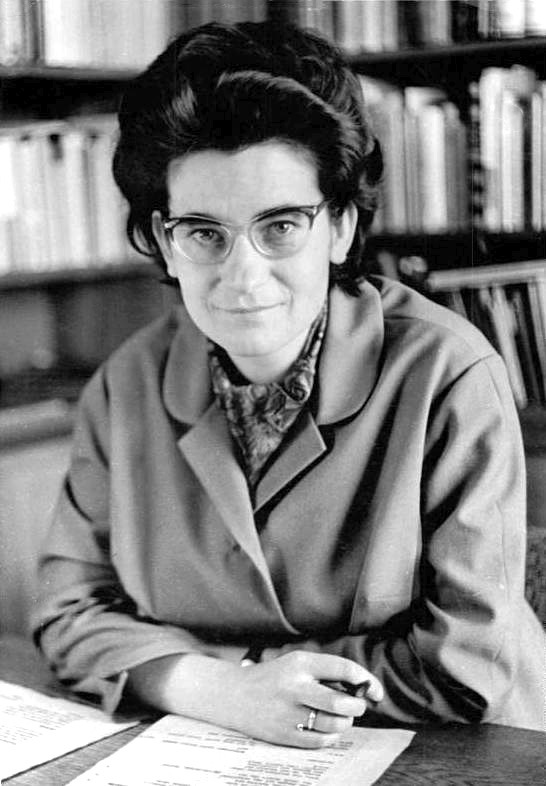
Christa Wolf stands as one of the most influential and controversial figures in German literature, particularly during the Cold War era. Born on March 18, 1929, in Landsberg an der Warthe, which is now part of Poland, Wolf’s life was deeply intertwined with the tumultuous events of the 20th century. Her works reflect a profound engagement with the socio-political context of East Germany (GDR), where she lived and worked for most of her life. This article delves into the life, fame, and significant milestones of Christa Wolf, providing insights into her literary contributions and the historical contexts that shaped her work.
Early Life and Education
Christa Ihlenfeld, who later became known as Christa Wolf after marriage, was born into a middle-class family. Her father, Otto Ihlenfeld, was a businessman who joined the National Socialist German Workers’ Party (NSDAP) in 1933, a decision that would later influence Wolf’s own ideological struggles and literary themes. Wolf’s early life was marked by the upheavals of World War II. In 1939, she joined the League of German Girls, a part of the Hitler Youth organization, where she was noted for her singing talent and active participation in various activities.
The end of the war brought significant changes to her life. As the Allied forces advanced, her family was forced to flee their home and eventually settled in what became East Germany. These experiences of displacement and loss, along with her exposure to different political ideologies, played a crucial role in shaping her worldview and her later works.
Academic Pursuits and Early Career
After the war, Wolf resumed her education in Schwerin, but her studies were interrupted when she contracted tuberculosis in 1946. The illness forced her to abandon her studies temporarily. However, she later enrolled at the Friedrich Schiller University in Jena, initially studying pedagogy with the intention of becoming a teacher. During this period, she became involved in the Socialist Unity Party of Germany (SED) and the Free German Youth (FDJ), marking a decisive break from her past and her family’s association with National Socialism.
In 1951, she married Gerhard Wolf, a fellow student, and the couple moved to Leipzig, where they both became deeply involved in the cultural and intellectual life of East Germany. Christa Wolf eventually completed her studies in German literature and history, submitting a thesis on realism in the works of Hans Fallada, a prominent German writer. This academic background laid the foundation for her later literary career.
Rise to Fame
Christa Wolf’s literary career began in earnest in the late 1950s. She initially worked as an editor for various publications and publishing houses, but it was her first prose work, Moskauer Novelle (1961), that brought her recognition. The novella was well-received in the GDR, marking the beginning of her long and illustrious career as a writer.
However, it was her novel Der geteilte Himmel (1963) that truly established her reputation. The novel, which translates to Divided Heaven in English, is set against the backdrop of the Berlin Wall’s construction and explores the division of Germany through the lens of a romantic relationship. The novel was later adapted into a film by the DEFA, the state film studio of East Germany, further cementing Wolf’s status as a leading literary figure in the GDR.
Der geteilte Himmel is emblematic of Wolf’s literary style, characterized by its introspective narrative, deep psychological insight, and engagement with contemporary social and political issues. The novel’s success made her a prominent voice in East German literature, and she became increasingly involved in the country’s cultural and political life.
Political Engagement and Controversy
Throughout her career, Christa Wolf was known for her active participation in the political and cultural discourse of the GDR. She was a member of the Writers’ Union of the GDR and served on its council for several years. Her works often reflected the tensions and contradictions of life in a socialist state, and she was both a critic and a supporter of the East German government at different points in her life.
In the 1960s and 1970s, Wolf’s relationship with the GDR authorities became increasingly complex. She was a vocal advocate for the reform of the socialist system and participated in various cultural and intellectual forums. However, her works also began to draw criticism from the government for their perceived pessimism and for questioning the official narrative of socialist progress.
One of her most controversial works was Nachdenken über Christa T. (1968), a novel that reflects on the life of a fictional character who struggles with the pressures of conforming to socialist ideals. The novel was criticized by the GDR authorities for its bleak portrayal of life in East Germany and its questioning of the socialist project. Despite the criticism, or perhaps because of it, the novel resonated with many readers and solidified Wolf’s reputation as a writer willing to challenge the status quo.
Later Works and International Recognition
In the 1970s and 1980s, Christa Wolf continued to write and publish works that garnered both national and international acclaim. Her 1976 novel Kindheitsmuster (Patterns of Childhood) is a semi-autobiographical exploration of her childhood during the Nazi era and the lasting impact of those experiences on her identity. The novel is considered one of her masterpieces, offering a nuanced examination of memory, guilt, and the process of coming to terms with the past.
Wolf’s engagement with Germany’s divided history is further explored in her 1983 novel Kassandra (Cassandra), which reimagines the myth of Cassandra, the prophetess who was cursed to foresee the future but never to be believed. The novel is a powerful feminist critique of war and patriarchy and reflects Wolf’s disillusionment with the political realities of the GDR. Kassandra was widely acclaimed and contributed to Wolf’s growing international reputation.
As the political landscape in East Germany began to change in the late 1980s, Wolf found herself at the center of significant controversy. In 1990, following the fall of the Berlin Wall and the reunification of Germany, it was revealed that she had been an informal collaborator with the Stasi, the East German secret police, for several years in the early 1960s. This revelation sparked intense debate about her legacy, with some critics accusing her of complicity with the oppressive regime, while others defended her as a victim of the system she had long critiqued.
Despite the controversy, Christa Wolf remained an important literary figure in reunified Germany. She continued to write and publish until her death, with her later works reflecting a deepening preoccupation with memory, history, and identity. Her final novel, Stadt der Engel oder The Overcoat of Dr. Freud (2010), is a meditation on the act of remembering and the burdens of history.
Legacy and Influence
Christa Wolf passed away on December 1, 2011, at the age of 82, leaving behind a complex and contested legacy. She is remembered as one of the most important German writers of the 20th century, whose works continue to be studied and debated. Her ability to weave together personal and political narratives, her exploration of the moral and ethical dilemmas of her time, and her willingness to engage with controversial issues make her a significant figure in both German and world literature.
Wolf’s influence extends beyond her literary output. She was a key figure in the cultural life of East Germany and played an important role in shaping the intellectual discourse of her time. Her works have been translated into numerous languages, and she remains a subject of scholarly interest, with studies examining her contributions to feminist literature, her portrayal of memory and history, and her critique of socialism.
In many ways, Christa Wolf’s life and work encapsulate the complexities of 20th-century German history. Her writing offers a window into the hopes, fears, and contradictions of a society undergoing profound change, and her legacy continues to resonate with readers and scholars alike.


