
Introduction
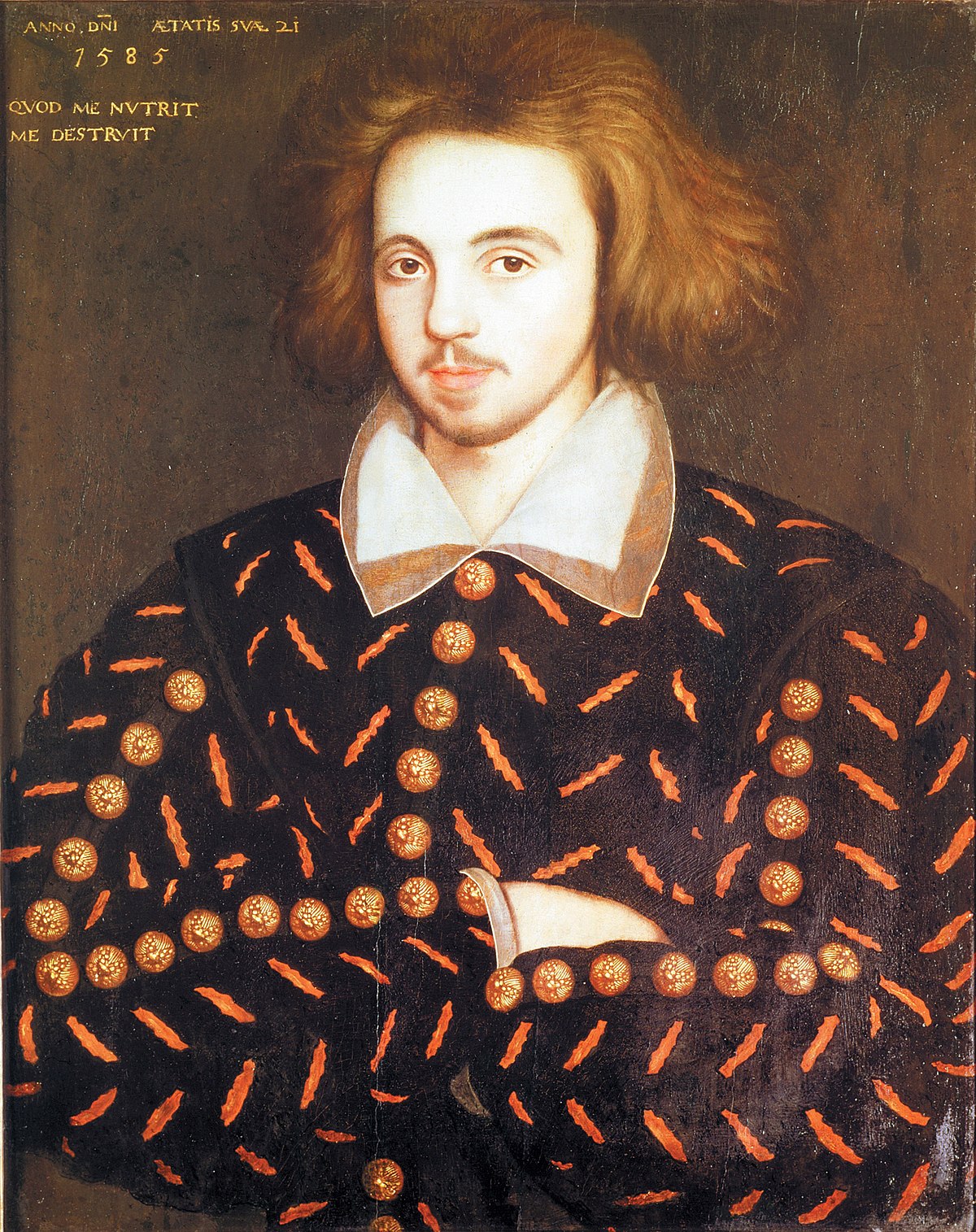
Christopher Marlowe, often overshadowed by the towering figure of William Shakespeare, was a key figure in the English Renaissance. His life, though tragically short, was marked by brilliance, controversy, and a significant impact on the world of drama and poetry. Born in the mid-16th century in England, Marlowe’s work laid the groundwork for many literary forms that followed, particularly the use of blank verse in drama. His life, shrouded in mystery and controversy, has fascinated scholars and enthusiasts alike for centuries.
Early Life and Education
Christopher Marlowe was born in February 1564 in Ospringe, a small village near Canterbury, Kent, England. The exact date of his birth remains uncertain, but records show he was baptized on February 26, 1564, at St. George the Martyr in Canterbury. Marlowe was the second of nine children born to John Marlowe, a prosperous shoemaker, and Katherine Arthur. His early years were spent in Canterbury, where he received his primary education.
In 1581, Marlowe was awarded a scholarship to study at the University of Cambridge, where he later earned his Bachelor of Arts degree in 1584 and a Master of Arts in 1587. During his time at Cambridge, Marlowe began his association with the Elizabethan secret service, a connection that would later contribute to the mysterious circumstances surrounding his death.
Literary Contributions and Fame
Marlowe’s literary career took off during his time at Cambridge, where he began translating classical works, such as Ovid’s Amores and Lucan’s Pharsalia. These translations showcased his mastery of meter and set the stage for his later work in drama. His first significant play, Dido, Queen of Carthage, written around 1586, reflected his academic background with its classical themes and characters.
Marlowe achieved fame with Tamburlaine the Great, a two-part play that dramatizes the rise and fall of the Mongol conqueror Timur, also known as Tamerlane. Written around 1587-1588, Tamburlaine was a groundbreaking work that introduced the use of blank verse in English drama, a form later perfected by Shakespeare. The play’s success established Marlowe as a leading playwright of the time.
Following Tamburlaine, Marlowe wrote several other notable plays, including The Tragical History of Doctor Faustus (1588 or 1592), The Jew of Malta (1589), The Massacre at Paris (1591-1592), and Edward II (circa 1592). These works, characterized by their complex characters, exploration of power, and dark themes, solidified Marlowe’s reputation as a master dramatist.
Historical and Cultural Context
Marlowe lived during a time of great political and religious turmoil in England. The country was transitioning from the medieval period to the Renaissance, and the influence of classical antiquity was increasingly evident in the arts and literature. Marlowe’s works reflect this shift, with their classical references, intellectual themes, and exploration of human ambition and desire.
Marlowe was also influenced by the religious debates of his time. His plays often grapple with questions of faith, morality, and the human condition. In Doctor Faustus, for example, Marlowe explores the consequences of a man’s insatiable thirst for knowledge and power, a theme that resonates with the Renaissance emphasis on individualism and human potential.
Marlowe’s connections to the Elizabethan secret service and his alleged atheism further complicated his life and legacy. Accusations of espionage, blasphemy, and homosexuality followed him throughout his career, contributing to his reputation as a controversial and enigmatic figure.
Death and Legacy
Christopher Marlowe’s life was cut tragically short on May 30, 1593, when he was killed in a tavern in Deptford, London, at the age of 29. The circumstances of his death remain the subject of speculation and intrigue. Some suggest it was a result of a quarrel over a bill, while others believe it was an assassination ordered by the government due to his involvement in espionage and his unorthodox views.
Despite his untimely death, Marlowe’s influence on English literature is undeniable. He was a pioneer in the use of blank verse, a form that became the standard for English drama. His plays, with their complex characters and exploration of dark themes, paved the way for later dramatists, including Shakespeare, who was deeply influenced by Marlowe’s work.
Marlowe’s Doctor Faustus remains one of the most enduring works of English literature, with its exploration of ambition, power, and the human soul’s struggle between good and evil. The play’s central character, Faustus, has become a symbol of the Renaissance man’s quest for knowledge and the dangers of overreaching ambition.
Marlowe’s Edward II is another significant work that has been praised for its portrayal of political power and personal relationships. The play’s depiction of King Edward II’s tragic downfall due to his relationships with his male favorites has been interpreted as a commentary on the dangers of absolute power and the complexities of human desire.
Conclusion
Christopher Marlowe’s life and work continue to captivate scholars and readers alike. His contributions to English literature, particularly in the realm of drama, have left an indelible mark on the history of Western literature. Despite his brief life, Marlowe’s legacy endures through his plays, which continue to be studied, performed, and admired for their boldness, complexity, and insight into the human condition.
Marlowe’s life was a reflection of the turbulent times in which he lived—a period marked by political intrigue, religious conflict, and intellectual exploration. His work, with its daring themes and innovative use of language, captures the spirit of the Renaissance and the enduring quest for knowledge, power, and self-understanding.
As we continue to explore Marlowe’s life and work, we are reminded of the enduring power of literature to challenge, inspire, and illuminate the complexities of the human experience. Marlowe’s legacy is a testament to the power of art to transcend time and continue to speak to the human condition across the centuries.


