
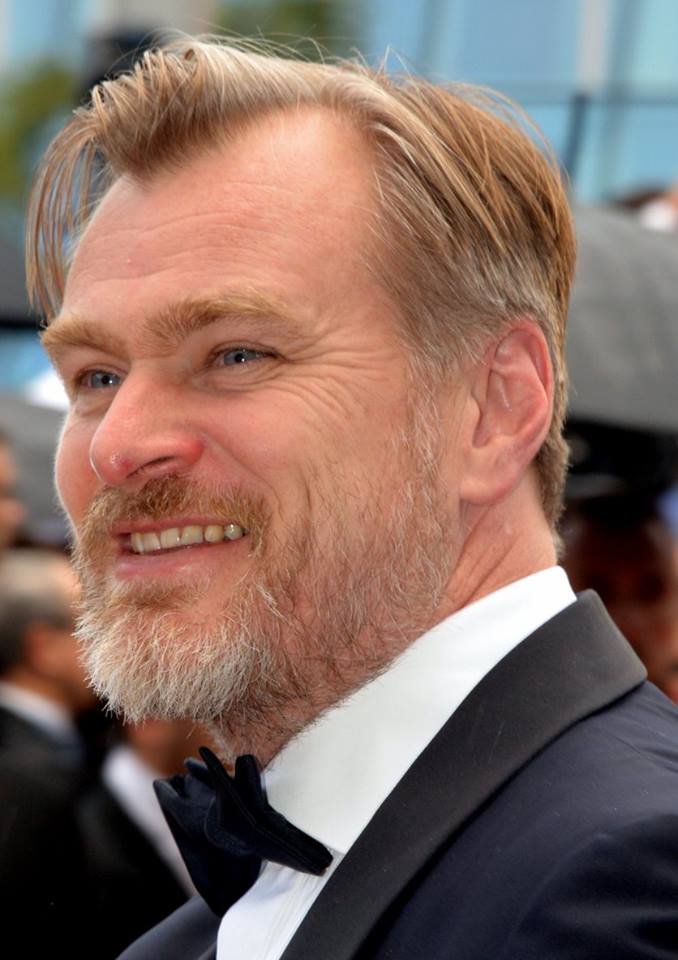
Christopher Nolan is one of the most acclaimed and influential filmmakers of the 21st century. Born on July 30, 1970, in London, England, Nolan has become a cinematic icon, known for his innovative storytelling, complex narratives, and visually stunning films. With a career that spans over two decades, he has redefined genres and left an indelible mark on the film industry. From his early works to his blockbuster successes, Christopher Nolan’s journey in cinema is a fascinating story of creativity, ambition, and perseverance.
Early Life and Education
Christopher Nolan was born into a culturally rich environment, with his father, Brendan Nolan, being an advertising executive, and his mother, Christina Jensen, working as a flight attendant and English teacher. His childhood was spent between London and Chicago, as his mother was an American citizen, which later granted him dual citizenship. Nolan’s exposure to different cultures and environments played a crucial role in shaping his artistic sensibilities.
From a young age, Nolan exhibited a keen interest in storytelling and filmmaking. By the time he was seven, he was already experimenting with his father’s Super 8 camera, creating short films with action figures and everyday objects. His early fascination with the mechanics of film and the power of visual storytelling set the stage for his future career.
Nolan attended Haileybury and Imperial Service College in Hertfordshire before pursuing a degree in English literature at University College London (UCL). His choice of UCL was strategic, as the university provided access to 35mm film cameras, which Nolan used extensively to hone his craft. It was here that he met his future wife, Emma Thomas, who would become a key collaborator in his career as a producer.
The Genesis of a Filmmaker
Nolan’s first significant work was the short film Tarantella (1989), which was shown on PBS, marking the beginning of his journey into professional filmmaking. However, it was his 1998 feature film, Following, that truly marked his debut as a filmmaker to watch. Following was a low-budget, black-and-white neo-noir thriller that Nolan wrote, directed, and produced. The film’s nonlinear narrative structure and intricate plot twists would become hallmarks of Nolan’s style in later works.
Following was well-received by critics and won several awards at international film festivals, including the Rotterdam International Film Festival. The success of this film allowed Nolan to secure funding for his next project, which would become one of the most significant films of his early career.
The Breakthrough: Memento (2000)
In 2000, Nolan released Memento, a film that would cement his reputation as a master storyteller. Memento is a psychological thriller that tells the story of Leonard Shelby, a man suffering from short-term memory loss who is on a quest to find his wife’s killer. The film is renowned for its unique narrative structure, with scenes presented in reverse chronological order, creating a disorienting and immersive experience for the audience.
Memento was both a critical and commercial success, earning Nolan his first Academy Award nomination for Best Original Screenplay. The film’s innovative approach to storytelling attracted widespread attention and established Nolan as one of the most original voices in Hollywood.
The Hollywood Ascendancy: Insomnia and The Prestige
Following the success of Memento, Nolan was tapped by Warner Bros. to direct Insomnia (2002), a psychological thriller starring Al Pacino, Robin Williams, and Hilary Swank. The film, a remake of a Norwegian film of the same name, was a more conventional Hollywood project, but Nolan’s direction brought depth and tension to the story, further solidifying his reputation in the industry.
Nolan’s next major project was The Prestige (2006), an adaptation of Christopher Priest’s novel about rival magicians in the late 19th century. Starring Hugh Jackman, Christian Bale, and Michael Caine, the film explored themes of obsession, sacrifice, and the nature of illusion—concepts that would recur in Nolan’s later work. The Prestige was a critical and commercial success, praised for its intricate plot and atmospheric direction.
The Dark Knight Trilogy: Redefining the Superhero Genre
Christopher Nolan’s next venture would redefine the superhero genre and establish him as one of the most influential filmmakers of his generation. In 2005, he directed Batman Begins, the first installment of what would become known as The Dark Knight Trilogy. Starring Christian Bale as Batman, the film rebooted the Batman franchise, presenting a darker, more realistic version of the iconic character.
Batman Begins was a critical and commercial success, revitalizing interest in the Batman character and setting the stage for the even greater success of its sequels. In 2008, Nolan released The Dark Knight, which became a cultural phenomenon. The film was not only a box office juggernaut, grossing over $1 billion worldwide, but it was also critically acclaimed, particularly for Heath Ledger’s performance as the Joker, which earned him a posthumous Academy Award for Best Supporting Actor.
The final film in the trilogy, The Dark Knight Rises (2012), continued the story of Bruce Wayne’s journey as Batman and concluded the trilogy on a high note. The trilogy as a whole was praised for its complex characters, moral dilemmas, and sophisticated storytelling, elevating the superhero genre to new artistic heights.
Inception: A Cinematic Masterpiece
While Nolan was working on The Dark Knight Trilogy, he also developed one of his most ambitious projects: Inception (2010). Inception is a science fiction heist film that explores the concept of dreams within dreams, blending action, psychological drama, and philosophical inquiry. The film’s complex narrative structure, stunning visual effects, and thought-provoking themes made it a landmark in modern cinema.
Inception was a massive success, grossing over $825 million worldwide and earning eight Academy Award nominations, winning four. The film’s impact on popular culture was profound, with its concepts of “inception” and “limbo” becoming part of the cultural lexicon. Inception solidified Nolan’s reputation as a visionary filmmaker capable of creating blockbuster films that also challenge audiences intellectually.
Continued Innovation: Interstellar and Dunkirk
After the success of Inception, Nolan continued to push the boundaries of cinematic storytelling with Interstellar (2014). Interstellar is a science fiction epic that explores themes of love, time, and the survival of the human species. Starring Matthew McConaughey, Anne Hathaway, and Jessica Chastain, the film was praised for its ambition, visual effects, and emotional depth. It also sparked widespread discussion about its scientific concepts, particularly its depiction of black holes and time dilation, which were informed by consultations with renowned physicist Kip Thorne.
In 2017, Nolan directed Dunkirk, a historical war film depicting the Dunkirk evacuation during World War II. The film was notable for its immersive, almost dialogue-free storytelling and its use of practical effects and real locations. Dunkirk was a critical and commercial success, earning Nolan his first Academy Award nomination for Best Director and winning three Oscars for its technical achievements.
Recent Works and Legacy
Nolan’s most recent films continue to demonstrate his commitment to innovation and storytelling. In 2020, he released Tenet, a science fiction thriller that explores the concept of time inversion. Despite the challenges of releasing a film during the COVID-19 pandemic, Tenet was a box office success and sparked widespread discussion for its complex narrative and groundbreaking visual effects.
In 2023, Nolan released Oppenheimer, a biographical drama about J. Robert Oppenheimer, the scientist who led the development of the atomic bomb. The film, starring Cillian Murphy in the title role, was another critical and commercial success, earning seven Academy Awards, including Best Picture and Best Director for Nolan.
Christopher Nolan’s Impact on Cinema
Christopher Nolan’s career is a testament to the power of visionary filmmaking. His films have not only been box office successes but have also pushed the boundaries of what cinema can achieve. Nolan’s work is characterized by its intellectual depth, narrative complexity, and technical innovation, making him one of the most influential directors of his generation.
Nolan’s ability to combine blockbuster entertainment with sophisticated storytelling has earned him a unique place in the film industry. His films are known for their meticulous craftsmanship, from the use of practical effects to the creation of immersive soundscapes. Nolan’s commitment to shooting on film, rather than digital, and his preference for practical effects over CGI, reflect his dedication to the art of filmmaking.
As a director, Nolan has also been praised for his ability to elicit powerful performances from his actors, many of whom have delivered some of the best work of their careers under his direction. His collaborations with actors like Christian Bale, Michael Caine, and Cillian Murphy have been particularly fruitful, resulting in some of the most memorable characters in modern cinema.
Conclusion
Christopher Nolan is a filmmaker who has redefined what is possible in cinema. From his early independent films to his blockbuster successes, Nolan’s career has been marked by a relentless pursuit of innovation and excellence. His films challenge audiences to think deeply while also providing thrilling, immersive experiences. As he continues to push the boundaries of storytelling and cinematic technique, Nolan’s impact on the film industry will be felt for generations to come.


