
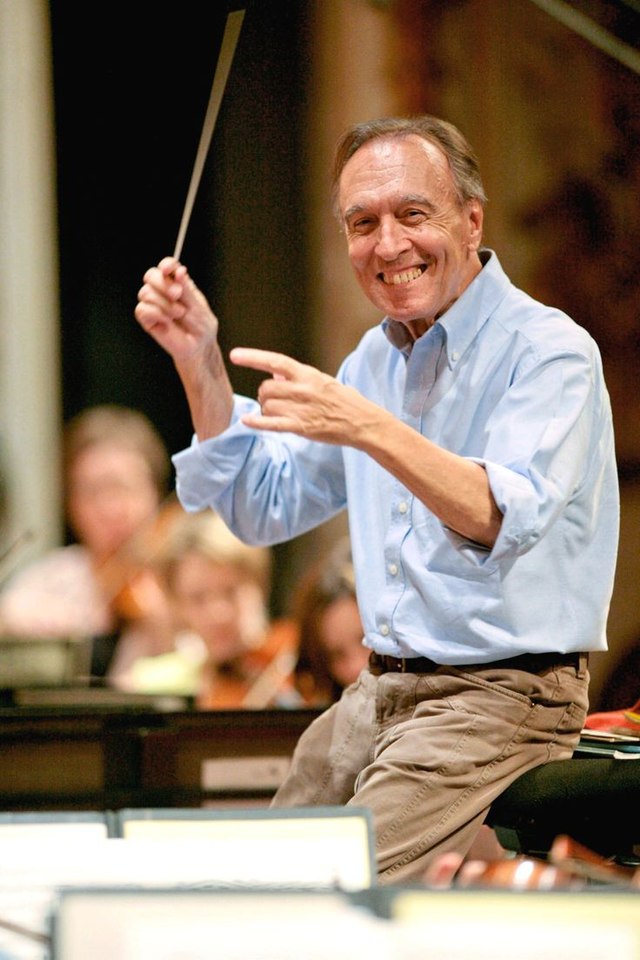
Claudio Abbado stands as a towering figure in the world of classical music, renowned for his exceptional contributions as a conductor and musical director. Born on June 26, 1933, in Milan, Italy, Abbado’s life and career are a testament to his extraordinary talent and dedication to the arts. His legacy is marked by his transformative impact on some of the world’s leading orchestras and his profound influence on the global music scene.
Early Life and Musical Beginnings
Claudio Abbado was born into a distinguished musical family. His father, Michelangelo Abbado, was a violinist and a professor at the Giuseppe Verdi Conservatory in Milan, while his mother, Maria Carmela Savagnone, was an amateur pianist. This rich musical environment profoundly influenced young Claudio, who began his musical education at an early age.
Education and Early Training
Abbado’s formal music education commenced at the Giuseppe Verdi Conservatory in Milan, where he studied piano, composition, and conducting. His teachers included the legendary pianist and conductor, Carlo Maria Giulini, who recognized Abbado’s prodigious talent early on. Abbado’s dedication to his craft was evident, and his exceptional abilities soon caught the attention of the classical music community.
After graduating from the conservatory in 1955, Abbado continued his studies in Vienna, where he attended masterclasses with the renowned conductor Hans Swarowsky. This period was crucial in shaping Abbado’s approach to conducting, allowing him to refine his technique and broaden his musical horizons.
Career Highlights and Achievements
Claudio Abbado’s career is replete with remarkable achievements, reflecting his enduring passion for music and his relentless pursuit of excellence. His journey as a conductor took him to the helm of some of the most prestigious orchestras in the world.
La Scala and the Early Years
Abbado’s association with La Scala, the world-famous opera house in Milan, began in the early 1960s. He made his debut as a conductor there in 1960, leading a production of Prokofiev’s “The Love for Three Oranges.” His innovative interpretations and dynamic conducting style quickly established him as a rising star in the operatic world.
In 1968, Abbado was appointed the music director of La Scala, a position he held until 1986. During his tenure, he revitalized the institution, introducing contemporary works and fostering a collaborative spirit among the musicians. His visionary leadership transformed La Scala into a hub of artistic innovation and excellence.
International Recognition and Major Appointments
Abbado’s reputation as a conductor of exceptional skill and insight led to numerous high-profile appointments. In 1966, he made his debut with the Vienna Philharmonic, one of the most prestigious orchestras in the world. This marked the beginning of a long and fruitful relationship with the orchestra, culminating in his appointment as its principal conductor from 1971 to 1974.
Abbado’s international acclaim continued to grow, and in 1979, he became the principal conductor of the London Symphony Orchestra. His tenure with the LSO was marked by critically acclaimed recordings and performances, further solidifying his status as a leading figure in classical music.
Berlin Philharmonic and Beyond
One of the most significant chapters in Abbado’s career began in 1989 when he succeeded Herbert von Karajan as the principal conductor of the Berlin Philharmonic. This prestigious position placed Abbado at the forefront of the global classical music scene. Under his leadership, the Berlin Philharmonic reached new artistic heights, performing a wide repertoire that included both classical masterpieces and contemporary works.
Abbado’s tenure with the Berlin Philharmonic lasted until 2002, during which he continued to push the boundaries of orchestral performance. His commitment to musical excellence and his innovative approach left an indelible mark on the orchestra and its legacy.
Personal Life and Legacy
Claudio Abbado’s personal life was characterized by his deep love for music and his commitment to nurturing the next generation of musicians. He was known for his humility, kindness, and generosity, traits that endeared him to colleagues and audiences alike.
Health Challenges and Resilience
In the late 1990s, Abbado faced significant health challenges, including a battle with stomach cancer. Despite these setbacks, his resilience and unwavering dedication to music saw him return to the podium with renewed vigor. His triumphant comeback performances were a testament to his indomitable spirit and passion for conducting.
Educational Initiatives and Mentorship
Abbado was deeply committed to education and mentorship, recognizing the importance of nurturing young talent. He founded the European Union Youth Orchestra and the Gustav Mahler Youth Orchestra, providing aspiring musicians with invaluable opportunities to develop their skills and perform on international stages. His efforts in this area have had a lasting impact, inspiring countless young musicians to pursue careers in classical music.
Historical Context and Influence
Claudio Abbado’s career spanned a period of significant transformation in the classical music world. His innovative approach and willingness to embrace contemporary works positioned him as a forward-thinking conductor who was not afraid to challenge conventions.
The Evolution of Classical Music
During Abbado’s lifetime, classical music underwent a period of evolution and diversification. The mid-20th century saw a growing interest in contemporary compositions and a move away from the traditional, Romantic-era repertoire that had dominated concert halls. Abbado was at the forefront of this shift, championing modern composers and integrating their works into his programs.
Contributions to Contemporary Music
Abbado’s commitment to contemporary music was evident in his collaborations with composers such as Luciano Berio, Luigi Nono, and Pierre Boulez. He premiered numerous new works, providing a platform for innovative compositions and helping to expand the classical music canon. His adventurous programming and willingness to take risks inspired other conductors and orchestras to follow suit.
Awards and Honors
Claudio Abbado’s exceptional contributions to music were recognized with numerous awards and honors throughout his career. These accolades reflect his status as one of the most influential conductors of his generation.
Prestigious Awards
Abbado received several prestigious awards, including the Ernst von Siemens Music Prize, the Royal Philharmonic Society Gold Medal, and multiple Grammy Awards. These honors underscore his impact on the global music community and his dedication to artistic excellence.
Honorary Titles and Recognitions
In addition to his awards, Abbado was bestowed with honorary titles and recognitions from various institutions. He was named an Honorary Member of the Vienna Philharmonic and received honorary doctorates from several universities. These accolades highlight his contributions to music education and his influence on future generations of musicians.
Conclusion
Claudio Abbado’s life and career are a testament to his extraordinary talent, dedication, and passion for music. From his early days in Milan to his leadership of some of the world’s most prestigious orchestras, Abbado’s journey reflects a relentless pursuit of artistic excellence.
Lasting Legacy
Abbado’s legacy extends beyond his recordings and performances. His commitment to education, his championing of contemporary music, and his transformative impact on the institutions he led have left an indelible mark on the classical music world. His influence continues to inspire musicians and conductors, ensuring that his contributions to the arts will be remembered for generations to come.
As we reflect on Claudio Abbado’s remarkable life, it is clear that his legacy is one of innovation, resilience, and a deep love for music. His story serves as an inspiration to all who seek to make a lasting impact in their chosen fields, demonstrating the power of passion and dedication in achieving greatness.


