
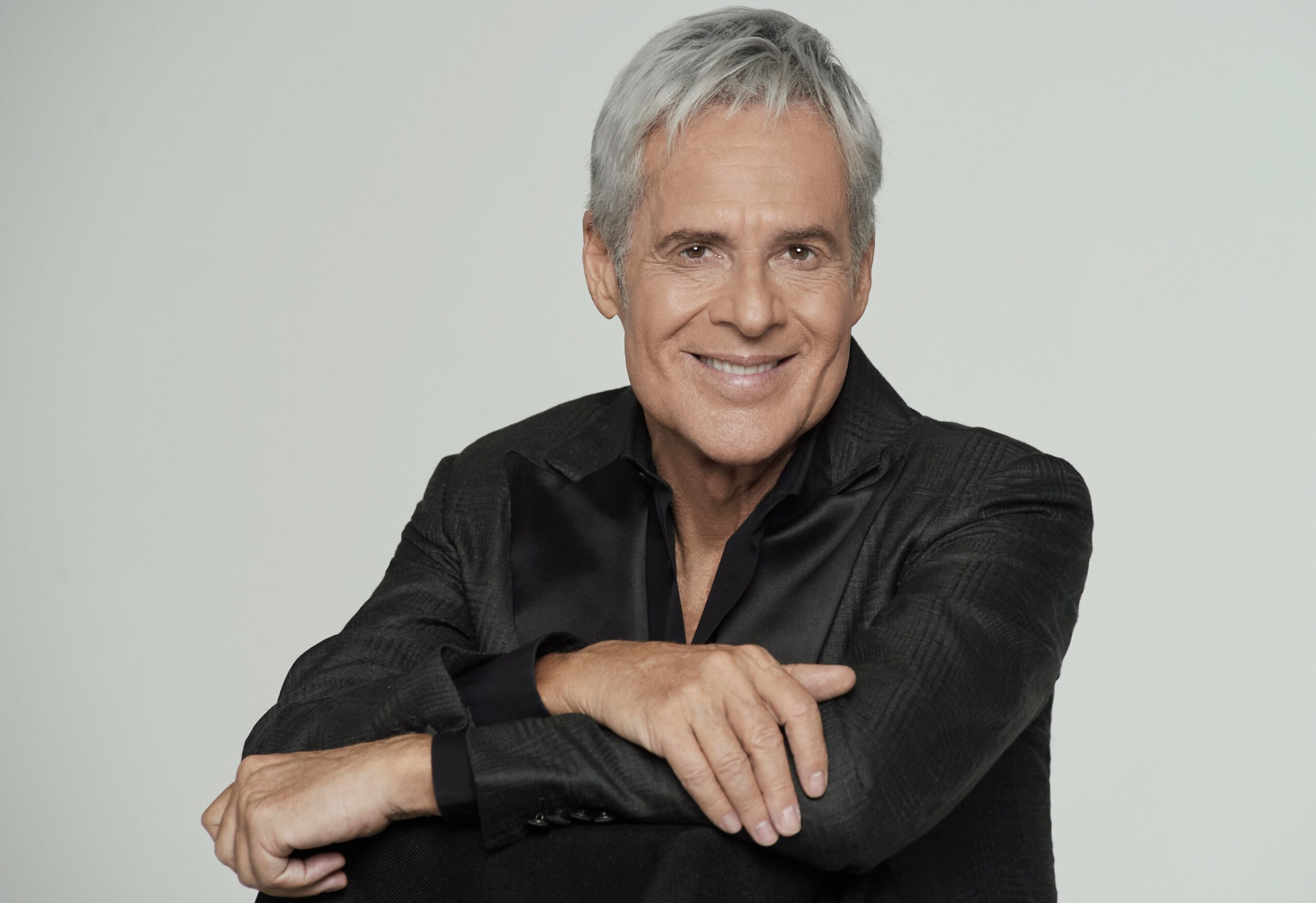
Claudio Baglioni, an iconic figure in the Italian music industry, has left an indelible mark with his extensive body of work and captivating performances. Born on May 16, 1951, in Rome, Baglioni’s career spans over five decades, making him one of Italy’s most beloved and influential singer-songwriters. This article provides a comprehensive look at Claudio Baglioni’s life, career, and significant achievements, offering insights into his journey from a young aspiring artist to a celebrated musical legend.
Early Life and Musical Beginnings
Claudio Baglioni was born in the Centocelle district of Rome. From a young age, he exhibited a passion for music. At just 14, he won a local singing contest, which marked the beginning of his journey into the music world. By the age of 16, Baglioni was already performing in small variety theaters, earning his first 1000 lire from these early gigs.
In 1968, he began composing his first songs, including “Signora Lia” and “Interludio.” The previous year, he had written a musical suite based on a poem by Edgar Allan Poe, showcasing his early inclination towards poetic and literary influences in his music.
First Major Breakthroughs
Baglioni’s first record contract came in 1969 with RCA, lasting five years. His debut album, simply titled “Claudio Baglioni,” was released in 1970. One of his early notable achievements was composing the soundtrack for Franco Zeffirelli’s film “Fratello Sole e Sorella Luna” in 1972. This exposure helped solidify his reputation as a talented composer.
In 1972, Baglioni released one of his most iconic songs, “Questo piccolo grande amore,” with arrangements by Tony Mimms. The song became a defining piece of his career, earning him widespread recognition and adoration from fans across Italy.
International Collaborations and Success
Baglioni’s international career took off in 1974 when he collaborated with the renowned Greek composer Vangelis on the album “E tu.” This album achieved tremendous success, topping charts not only in Italy but also in South America, and winning the prestigious Festivalbar award. His song “Poster,” performed with the legendary Astor Piazzolla, further showcased his ability to blend Italian music with international influences.
In 1978, Baglioni signed a new contract with CBS, which would later become Sony. This partnership led to the release of several successful albums. In 1981, he released the album “Strada facendo,” which included the poignant song “Avrai,” dedicated to his son. This album and the subsequent tour, “Alé-oo,” were major milestones, with the tour drawing over a million spectators and the live album selling over a million copies.
Iconic Performances and Continued Stardom
In 1985, Baglioni was invited to the Sanremo Music Festival to receive the award for Song of the Century for “Questo piccolo grande amore.” The following year, he embarked on the “Notte di note” tour, which concluded with a massive concert in Rome, attended by 80,000 people. This event was the first to be broadcast live on television, reaching a vast audience.
In 1986, Baglioni’s “Assolo” tour showcased his versatility as a performer. He delivered a three-hour solo performance, playing keyboards, guitars, and percussion instruments, all connected through a MIDI system. This innovative performance highlighted his technical prowess and creativity.
Baglioni’s involvement in the “Human Rights Now” concert in 1988, alongside Peter Gabriel, Bruce Springsteen, Sting, and other international artists, further cemented his status as a global music icon. His ability to seamlessly blend his music with powerful messages of human rights and social justice resonated with audiences worldwide.
Evolution and Artistic Maturity
In 1990, Baglioni released the album “Oltre,” featuring collaborations with artists like Pino Daniele, Paco De Lucia, Mia Martini, and Phil Palmer. This album demonstrated his growth as an artist and his willingness to experiment with different musical styles and genres.
After a five-year hiatus from studio albums, Baglioni returned with “Io sono qui” in 1995, which was another commercial success. The accompanying tour broke numerous records, with frequent sold-out shows.
In 1997, Baglioni ventured into television, co-hosting the show “Anima mia” with Fabio Fazio on Raidue. His charisma and stage presence translated well to the small screen, expanding his fan base further.
The New Millennium and Continued Innovation
The late 1990s and early 2000s saw Baglioni continuing to innovate and produce music that resonated with audiences. He wrote the anthem “Da me a te” for the 100th anniversary of the Italian Football Federation in 1998. The same year, he fulfilled a long-held dream by performing a concert at the Stadio Olimpico in Rome, attended by 90,000 fans and watched by millions on television.
In 1999, Baglioni released “Viaggiatore sulla coda del tempo,” followed by “Sono io, l’uomo della storia accanto” in 2003. These albums showcased his lyrical depth and musical sophistication. His compilation album “Tutti qui,” released in the mid-2000s, offered a retrospective look at his greatest hits, cementing his legacy as a musical storyteller.
Recent Years and Legacy
In 2013, Baglioni celebrated the 30th anniversary of his seminal album “Strada facendo” with a special edition release. He continued to engage with his audience through social media, releasing new music like “L’Italia è,” a song inspired by the Italian Constitution and commemorating the 150th anniversary of Italian unification.
Baglioni’s 2015 collaboration with Gianni Morandi, titled “Capitani coraggiosi,” was a notable project inspired by Rudyard Kipling’s novel. This project included live performances, a TV show, and a live album, demonstrating his continued relevance and ability to connect with contemporary audiences.
In 2018, Baglioni was appointed as the host and artistic director of the Sanremo Music Festival, one of Italy’s most prestigious music events. His role at Sanremo further highlighted his influence and enduring appeal in the Italian music industry.
The 2020s and Final Years
In 2020, Baglioni released the single “Gli anni più belli,” the soundtrack for Gabriele Muccino’s film of the same name. This was followed by the album “In questa storia che è la mia,” released in December 2020. The album and its accompanying tour, “Dodici Note Solo Bis,” spanned from the autumn of 2022 to the winter of 2023, featuring performances in Italy’s most prestigious theaters.
Despite his active career, Baglioni announced in January 2024 his intention to retire from writing new songs and live performances by 2026. This announcement marked the beginning of the end of an illustrious career that has touched millions of lives through his music and performances.
Conclusion
Claudio Baglioni’s journey from a young singer in Rome to an international music icon is a testament to his talent, dedication, and passion for music. His ability to evolve with the times while staying true to his artistic vision has made him a beloved figure in Italy and beyond.
Baglioni’s contributions to music go beyond his hit songs; he has been a cultural ambassador, a voice for social justice, and a pioneer in the Italian music industry. His legacy will continue to inspire future generations of musicians and fans alike.
As Baglioni prepares to step back from the limelight, his music will undoubtedly continue to resonate with those who have followed his remarkable career. Claudio Baglioni’s story is one of enduring success, artistic integrity, and a profound love for music that has transcended borders and generations.


