
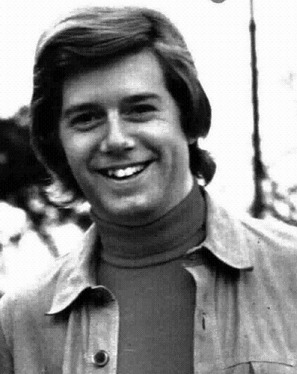
Claudio Lippi, born on June 3, 1945, in Milan, Italy, is a multifaceted personality who has left an indelible mark on the Italian entertainment industry. From his early years as a singer to his evolution into a celebrated television presenter and actor, Lippi’s career spans several decades, reflecting his adaptability and talent. This article delves into his life, career, and the significant milestones that have contributed to his enduring fame.
Early Life and Musical Beginnings
Claudio Lippi’s journey in the entertainment world began in the early 1960s when he ventured into the music industry. He initially started as a solo singer but soon joined a band called I Crociati. In 1964, at the tender age of 19, he participated in the Festival delle Rose, a music competition, with the song “Una testa dura.” This early exposure helped Lippi gain some recognition, but it was in 1966 that he made a more significant impact. He recorded an Italian version of Dean Martin’s hit “Everybody Loves Somebody,” titled “Per ognuno c’è qualcuno,” which garnered him considerable attention.
Rise to Fame in the 1970s
The 1970s marked a pivotal period in Lippi’s career. He transitioned from music to radio and television, where he truly found his calling. Lippi’s first major break in television came in 1972 when he became the host of “Aria aperta” and later “Giocagiò.” His charisma and natural ease in front of the camera quickly made him a household name. During this time, he also dabbled in acting, appearing in the 1975 film “Piange… il telefono” alongside the legendary Domenico Modugno.
One of the unique aspects of Lippi’s early television career was his work as a voice actor. He lent his voice to all the male characters in the popular animated series “Barbapapà,” and also sang the show’s theme song “Ecco arrivare i Barbapapà” with Orietta Berti and Roberto Vecchioni. This versatility added another layer to his growing popularity.
Television Stardom and Success with Fininvest
Lippi’s association with Italian television mogul Silvio Berlusconi further solidified his status in the industry. In 1978, Berlusconi created a one-man show titled “Lo sprolippio” specifically for Lippi, which aired on TeleMilano, the precursor to Canale 5. This show showcased Lippi’s comedic talents and his ability to engage with audiences in a live format.
The 1980s saw Lippi’s continued success on television, particularly with RAI, Italy’s national public broadcasting company. He hosted “Sette e mezzo,” a popular quiz show that aired during the preserale time slot on Raiuno. This show marked Lippi’s return to RAI after a brief stint with Berlusconi’s networks. His ability to connect with viewers and his sharp wit made him a beloved figure on Italian television.
In 1984, Lippi made a significant move by joining Fininvest, Berlusconi’s media company, where he became one of the leading faces of the network. He hosted several programs, including “Tuttinfamiglia” and “Il buon paese,” further cementing his reputation as a versatile and dependable television host.
The 1990s: Peak of Popularity
The 1990s were arguably the peak of Claudio Lippi’s television career. In 1990, he took over as the host of “Il pranzo è servito” on Canale 5, succeeding the iconic Corrado Mantoni. The show was a massive hit, and Lippi’s warm, engaging style made him a favorite among viewers. His ability to keep the show fresh and entertaining helped maintain its popularity throughout the decade.
In 1991, Lippi hosted “Bellezze al bagno,” followed by “Bellezze sulla neve” in 1992. These shows, known for their light-hearted and fun nature, allowed Lippi to showcase his comedic timing and rapport with guests. His personal life also made headlines during this time, particularly his relationship with co-host Luana Ravegnini, which added an element of intrigue to his public persona.
However, Lippi’s career wasn’t without its challenges. Health issues, including a fainting incident during a live recording, forced him to take a step back temporarily. Despite these setbacks, he continued to remain a prominent figure on Italian television. After a brief hiatus, Lippi returned with “Sì o no?,” a quiz show developed by Corrado, which was based on the popular format of “La Corrida.” His departure from Mediaset in the mid-1990s, following disagreements with network executives, led him to explore opportunities with other networks, including Telemontecarlo, where he hosted “Casa Cosa.”
Later Career and Continued Influence
The late 1990s and early 2000s saw Claudio Lippi reinvent himself once again. In 1996, he joined the cast of “Mai dire gol,” a sports and comedy show produced by Gialappa’s Band. Initially brought in as a temporary replacement for Teo Teocoli, Lippi’s performances were so well-received that he became a permanent fixture on the show. His comedic prowess and ability to adapt to different formats kept him relevant in the rapidly changing television landscape.
In 1998, Lippi made a cameo appearance in the film “Paparazzi,” directed by Neri Parenti and starring Christian De Sica and Massimo Boldi. The same year, he also had the opportunity to co-host “Striscia la notizia,” a satirical news program, further demonstrating his versatility as a television personality.
As the new millennium dawned, Lippi continued to be a prominent figure on Italian television. In 2002, he co-hosted “La sai l’ultima?” with Natalia Estrada on Canale 5, and in 2003, he hosted “Eureka” on Raidue. His involvement in these shows demonstrated his enduring appeal and ability to connect with audiences across generations.
However, one of the most significant moments of his later career came in 2006 when Lippi dramatically quit “Buona Domenica,” a popular Sunday variety show. He cited irreconcilable differences with the show’s direction, particularly criticizing its increasingly trashy and vulgar content. This bold move earned him both praise and criticism, but it also highlighted his commitment to maintaining a certain standard in his work.
Recent Years and Legacy
In the years that followed, Claudio Lippi continued to be an active presence on television. He received the “Grand Prix Corallo Città di Alghero” in 2008, a prestigious award recognizing his contributions to Italian entertainment. In 2009, he hosted “Dahlia in campo” on pay TV, further showcasing his versatility as a presenter.
From September 2010 onwards, Lippi became a regular on “La prova del cuoco,” a popular cooking show on Raiuno, where he shared his culinary insights with viewers. He also served as a panelist on “Se… a casa di Paola,” a talk show hosted by Paola Perego.
In 2011, Lippi released a music album titled “Volare è meraviglioso,” a tribute to the legendary singer Domenico Modugno. The album was well-received and led to Lippi being selected as a judge on “Tale e Quale Show,” a new variety show on Raiuno hosted by Carlo Conti. His role as a judge, alongside Loretta Goggi and Christian De Sica, showcased his deep understanding of music and entertainment.
Despite his advancing age, Claudio Lippi remains a beloved figure in Italian entertainment. In 2015, he participated in the “Partita del cuore,” a charity football match broadcast on Raiuno, alongside other prominent Italian celebrities. Later that year, he was selected to co-host “L’anno che verrà,” Raiuno’s New Year’s Eve special, alongside Rocco Papaleo and Amadeus. Although a health scare prevented him from participating in the live broadcast, his commitment to his craft was evident.
Conclusion
Claudio Lippi’s career is a testament to his versatility, talent, and enduring appeal. From his early days as a singer to his evolution into one of Italy’s most beloved television personalities, Lippi has navigated the ever-changing landscape of the entertainment industry with grace and skill. His ability to reinvent himself, his dedication to his craft, and his unwavering commitment to maintaining a high standard in his work have earned him a special place in the hearts of Italian audiences. As he continues to contribute to the industry, Claudio Lippi’s legacy as a pioneer and icon of Italian television remains secure.


