
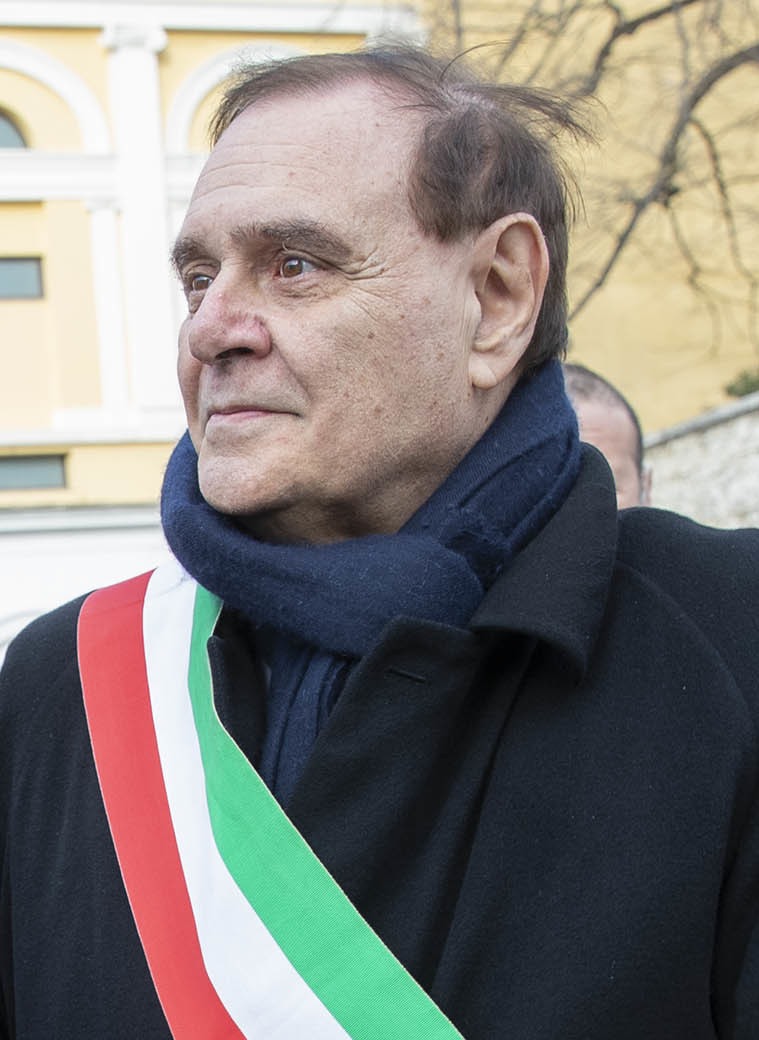
Clemente Mastella, born on February 5, 1947, in San Giovanni di Ceppaloni, a small town in the province of Benevento, Italy, is a seasoned Italian politician known for his dynamic and often controversial career. Over the decades, Mastella has become a prominent figure in Italian politics, navigating through various political parties, serving in key government roles, and maintaining a significant presence in both national and local politics. This article delves into the life of Clemente Mastella, exploring his early years, rise to fame, political achievements, and the controversies that have shaped his career.
Early Life and Education
Clemente Mastella was born into a family with deep roots in the small community of San Giovanni di Ceppaloni. His upbringing in this close-knit environment influenced his later political career, particularly his focus on local and regional issues. Mastella pursued higher education at the University of Naples, where he earned a degree in Literature and Philosophy. His academic background provided him with a strong foundation in the humanities, which would later complement his career in politics and journalism.
Before fully immersing himself in the political arena, Mastella worked as a journalist. He began his career at the RAI headquarters in Naples, where he honed his skills in communication and developed a keen interest in the intersection of media and politics. This experience not only sharpened his ability to navigate the complex world of political communication but also laid the groundwork for his future endeavors in public service.
Early Political Career: The Rise within Christian Democracy
Mastella’s political career began at a young age when he joined the Christian Democracy (Democrazia Cristiana, or DC) party, a dominant political force in Italy during the post-war period. His involvement in the party quickly grew, and he became a national leader within the Azione Cattolica, a Catholic youth organization closely aligned with Christian Democracy.
In the 1976 general elections, at just 29 years old, Mastella was elected to the Italian Parliament as a deputy representing the Benevento-Avellino-Salerno constituency. His election marked the beginning of a long and eventful career in Italian politics. As a young parliamentarian, Mastella joined the Commission on Internal Affairs, where he began to build his reputation as a skilled legislator with a strong focus on domestic issues.
Throughout the late 1970s and early 1980s, Mastella continued to rise through the ranks of the Christian Democracy party. He held various key positions, including serving as the party’s head of information and publishing. Mastella’s alignment with the left wing of the DC positioned him as a prominent figure within the party’s more progressive faction, advocating for social justice and the protection of workers’ rights.
Ministerial Roles and Party Leadership
Clemente Mastella’s growing influence within the Christian Democracy party led to his appointment as Undersecretary of Defense in the sixth and seventh governments of Prime Minister Giulio Andreotti. This role allowed Mastella to gain valuable experience in government administration and defense policy, further solidifying his status as a key player in Italian politics.
In the 1980s and early 1990s, Mastella continued to serve in various governmental capacities, including as a member of the Commission on Constitutional Affairs and the Commission on Culture and Education. His work in these areas underscored his commitment to preserving Italy’s cultural heritage and ensuring that constitutional principles were upheld in the governance of the country.
However, the 1990s brought significant changes to the Italian political landscape. The collapse of the Christian Democracy party in the wake of widespread corruption scandals, known as “Tangentopoli,” led to the fragmentation of the Italian political system. In response to the dissolution of the DC, Mastella played a pivotal role in the creation of the Christian Democratic Center (Centro Cristiano Democratico, or CCD) in 1994. The CCD aimed to carry forward the centrist and Christian democratic ideals of the former DC, and Mastella’s leadership was instrumental in shaping the party’s direction.
Founding New Political Entities and Ministerial Tenure
Mastella’s ability to adapt to the shifting political landscape was evident in his decision to leave the CCD in 1998 to form a new party, the Democratic Union for the Republic (Unione Democratica per la Repubblica, or UDR). This move was part of a broader strategy to consolidate centrist forces and provide a stable political alternative during a period of intense political fragmentation in Italy.
During the same year, Mastella was appointed Vice President of the Italian Chamber of Deputies, a position he held until November 1998. His leadership in the Chamber was marked by efforts to promote bipartisan cooperation and to address the pressing legislative needs of the country.
In 1999, Mastella was elected to the European Parliament, representing the southern Italian constituency. His tenure as a Member of the European Parliament (MEP) allowed him to extend his political influence beyond Italy and engage with broader European issues, particularly those affecting Southern Europe. Mastella’s work in the European Parliament was characterized by his advocacy for regional development, social cohesion, and the protection of workers’ rights.
In 2001, Mastella returned to the Italian Parliament and was re-elected to the Chamber of Deputies. His continued political relevance was underscored by his appointment as Vice President of the Chamber, a role that allowed him to remain at the forefront of Italian legislative politics.
Mastella’s political career reached another high point in 2006 when he was appointed Minister of Justice in the second government of Prime Minister Romano Prodi. His tenure as Minister of Justice was marked by a focus on reforming Italy’s judiciary, addressing issues of corruption, and ensuring that the rule of law was upheld. However, his time in this role was not without controversy, particularly regarding his involvement in high-profile investigations and his relationship with the Italian judiciary.
Controversies and Legal Challenges
Mastella’s career has been punctuated by several controversies, the most significant of which occurred during his tenure as Minister of Justice. In October 2007, he was implicated in the “Why Not” investigation led by magistrate Luigi De Magistris. The investigation focused on allegations of corruption and abuse of power within the Italian government. Mastella’s involvement in the case, coupled with his earlier request for the transfer of De Magistris, led to widespread public suspicion that he was attempting to obstruct the investigation.
In January 2008, Mastella’s wife, Sandra Lonardo, who was serving as President of the Campania Regional Council, was placed under house arrest as part of a broader corruption probe. In response to these developments, Mastella resigned as Minister of Justice, citing a targeted attack on his family by the judiciary. His resignation was a key factor in the eventual collapse of the Prodi government, which further destabilized Italian politics at a critical time.
The 2010s: New Political Ventures and Local Leadership
Despite the controversies, Clemente Mastella remained a resilient figure in Italian politics. In 2010, he announced the dissolution of his long-standing political party, the UDEUR, and the formation of a new political entity, the Populars for the South (Popolari per il Sud). This move was part of Mastella’s ongoing effort to remain relevant in the ever-changing Italian political landscape.
In 2015, Mastella returned to his local roots by founding another political party, the Populars for the South (formerly UDEUR), in anticipation of the regional elections in Campania. Although his party did not achieve significant success, Mastella’s focus shifted to local politics, where he sought to leverage his extensive experience in governance.
In 2016, Mastella ran for mayor of Benevento, his hometown, with the support of Forza Italia, the Union of the Centre (UdC), and two civic lists. His campaign was successful, and he won the mayoral election with 62.88% of the vote in the runoff. Mastella’s return to local politics marked a significant shift in his career, as he transitioned from national and European politics to focus on the needs and challenges of his community.
Legacy and Impact
Clemente Mastella’s political career is a testament to his resilience and adaptability in the face of changing political landscapes. Over the decades, he has navigated the complexities of Italian politics, founding and leading multiple political parties, and serving in various key governmental roles. His tenure as Minister of Justice, though controversial, highlighted his commitment to reform and his willingness to confront the challenges facing Italy’s judicial system.
Mastella’s ability to maintain a prominent position in Italian politics, despite numerous challenges and controversies, underscores his skill as a politician and his deep understanding of the Italian political system. His legacy is marked by his contributions to the centrist political tradition in Italy and his ongoing efforts to address the needs of his constituents, both at the national and local levels.
As mayor of Benevento, Mastella continues to play a significant role in Italian public life, focusing on the development and well-being of his community. His journey from a small-town politician to a national figure and back to local leadership reflects his enduring commitment to public service and his ability to adapt to the evolving political environment.
Conclusion
Clemente Mastella’s life and career offer a compelling narrative of political ambition, resilience, and adaptability. From his early days as a young Christian Democrat to his role as a prominent figure in Italian and European politics, Mastella has consistently demonstrated his ability to navigate the complexities of governance and public service.
Despite facing significant challenges and controversies, Mastella has remained a steadfast presence in Italian politics, continually reinventing himself and finding new ways to serve his constituents. His legacy is one of perseverance and dedication to the principles of democracy and public service, making him a noteworthy figure in the history of modern Italian politics.


