
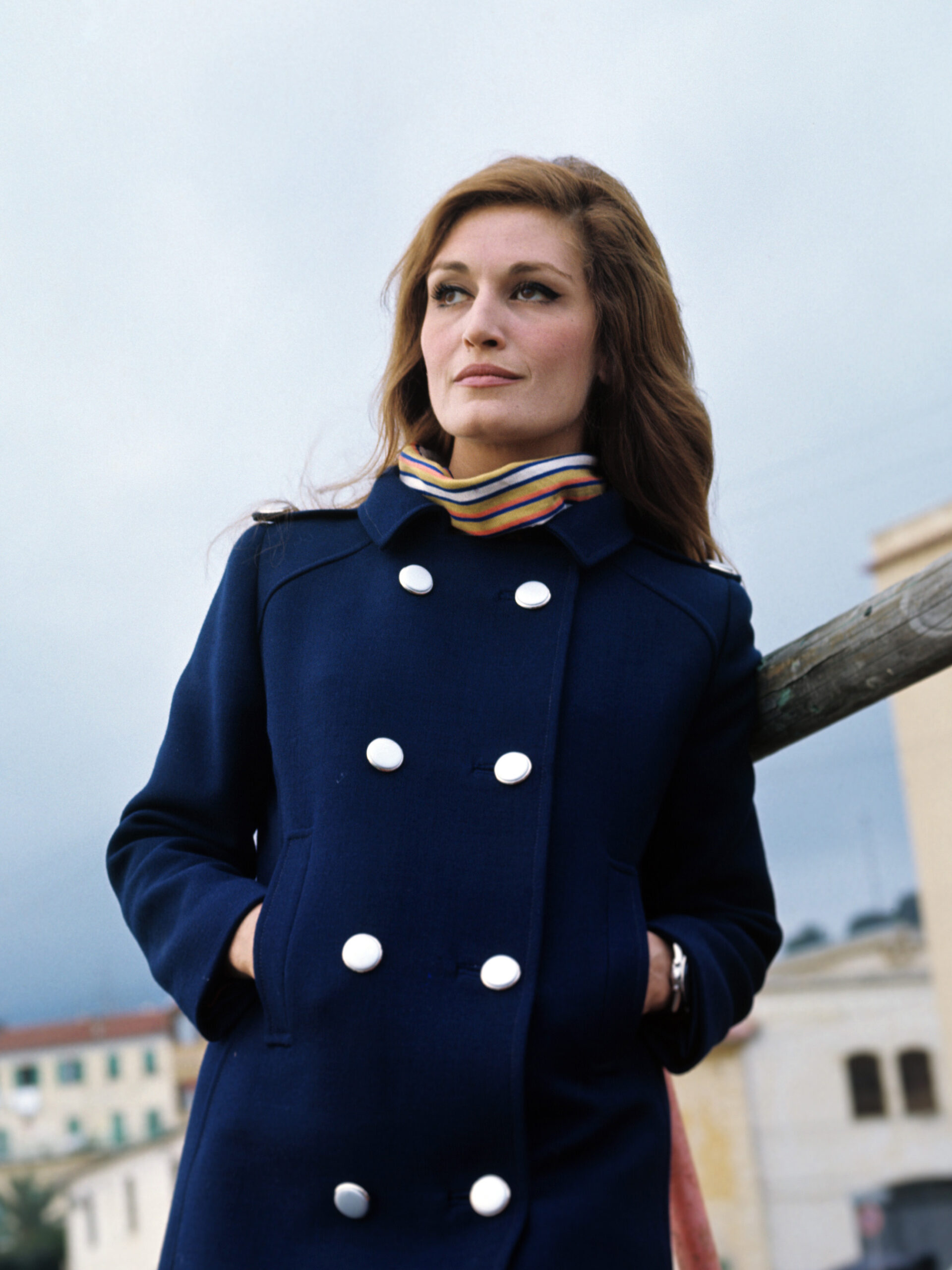
Dalida, born Iolanda Cristina Gigliotti on January 17, 1933, in Cairo, Egypt, was not just a singer but an international icon whose life was marked by remarkable achievements, deep emotional struggles, and an enduring legacy. Known for her mesmerizing voice, striking beauty, and a tragic life story that captivated millions, Dalida’s influence on the world of music and popular culture remains significant to this day.
In this article, we delve deep into the life of Dalida, exploring her early years, her meteoric rise to fame, and the personal challenges that shaped her journey. We will also look at her contributions to music, her global impact, and the historical context that makes her story so compelling. Whether you’re a longtime fan or learning about her for the first time, this detailed exploration of Dalida’s life offers valuable insights into the woman behind the legend.
Early Life and Background
A Childhood in Cairo
Dalida was born into an Italian-Egyptian family in the vibrant district of Choubra in Cairo. Her parents, who hailed from Serrastretta in the Calabria region of Italy, had emigrated to Egypt in search of better opportunities. Dalida’s father was a violinist, and music played a significant role in her early life. However, her childhood was far from idyllic. A condition that caused her to be slightly cross-eyed led to frequent teasing by her peers and resulted in a period of intense shyness and insecurity.
Despite these early challenges, Dalida was determined to make a name for herself. At the age of 17, she won the “Miss Ondine” beauty contest, which marked the beginning of her journey in the public eye. This victory was followed by her crowning as Miss Egypt in 1954, a title that would open doors to the world of cinema.
Transition to France and the Birth of Dalida
Dalida’s success in Egypt led to opportunities in the film industry, where she starred in several movies. However, it was her move to Paris in 1956 that truly marked the beginning of her transformation into the international star known as Dalida. Inspired by the film Samson and Delilah and guided by the advice of a friend, she chose the stage name “Dalida,” a name that evoked elegance, exoticism, and allure.
Her initial foray into music was met with modest success, but it wasn’t long before Dalida’s talent and unique style captured the attention of French audiences. Her first single, “Madona,” a French version of Amalia Rodrigues’ Portuguese hit “Barco Negro,” was followed by “Bambino,” a song that would become one of her signature hits. The success of “Bambino” was a turning point in her career, and it wasn’t long before Dalida was a household name in France.
Dalida’s Meteoric Rise to Fame
The Queen of French Chanson
By the late 1950s, Dalida had established herself as one of the leading figures in the French music scene. Her ability to convey deep emotion through her voice, combined with her glamorous image, made her an instant favorite among audiences. She quickly became known as the “Queen of French Chanson,” a title she would hold throughout her career.
Dalida’s repertoire was diverse, encompassing a wide range of genres, including pop, rock, and folk. She was known for her ability to sing in multiple languages, including French, Italian, Arabic, Spanish, and German, which broadened her appeal and allowed her to reach audiences across Europe and beyond. Some of her most famous songs from this period include “Come Prima,” “Piove,” and “Les Enfants du Pirée.”
International Success and Awards
Dalida’s fame was not confined to France. Her songs topped the charts in numerous countries, and she became one of the first artists to achieve gold record status in several languages. Her ability to connect with audiences on a global scale was a testament to her versatility and her deep understanding of the emotional power of music.
Throughout her career, Dalida received numerous accolades for her contributions to music. She won several awards, including the prestigious Oscar de la Chanson, which she won alongside the legendary French singer Tino Rossi. In 1961, she became the first female artist to receive a platinum record for selling over 10 million records worldwide, a remarkable achievement that solidified her place in the pantheon of music legends.
A Tragic Love Story
Dalida’s life was also marked by a series of tragic events, particularly in her personal relationships. In the early 1960s, she fell in love with Lucien Morisse, a music executive who had played a crucial role in her early success. The two were married in 1961, but their marriage was short-lived. Dalida soon left Morisse for the young painter Jean Sobieski, a relationship that also ended in heartbreak.
One of the most poignant chapters in Dalida’s life was her relationship with the Italian singer-songwriter Luigi Tenco. The two met in the mid-1960s and quickly became romantically involved. They entered the 1967 Sanremo Music Festival together, performing the song “Ciao Amore, Ciao.” When the song was eliminated from the competition, Tenco was devastated. Tragically, he took his own life shortly afterward, and it was Dalida who discovered his body in their hotel room.
This event had a profound impact on Dalida, plunging her into a deep depression. She attempted suicide herself just a few weeks later, an incident that would haunt her for the rest of her life.
Life Highlights and Achievements
The Resilience of a Star
Despite the tragedies that marred her personal life, Dalida continued to perform and record music with unwavering dedication. Her ability to channel her personal pain into her music added a new depth to her performances, and she became known for her emotional intensity on stage.
In 1968, Dalida was awarded the title of “Commendatore delle Arti, delle Scienze e delle Lettere” by French President Charles de Gaulle, a recognition of her contributions to French culture. She continued to release hit songs throughout the 1970s, including “Paroles, Paroles” with Alain Delon, and “Gigi l’Amoroso,” which became a massive hit in France and Italy.
A Global Icon
Dalida’s influence extended far beyond Europe. In 1975, she was named the most popular female singer in Quebec, second only to Elvis Presley. Her music resonated with audiences in Latin America, the Middle East, and Asia, making her one of the most internationally recognized artists of her time.
In addition to her music career, Dalida also pursued acting, appearing in films such as Menage all’italiana (1965) alongside Ugo Tognazzi and Romina Power, and Le Sixième Jour (1986), directed by the renowned Egyptian filmmaker Youssef Chahine. Her role in Le Sixième Jour was particularly significant, as it marked her return to Egypt and allowed her to reconnect with her roots.
The Struggles Behind the Fame
While Dalida’s career was marked by unprecedented success, her personal life continued to be fraught with difficulties. The pressure of maintaining her public image, combined with the lingering effects of past traumas, led to a sense of isolation and despair. Despite her outward success, Dalida struggled with feelings of loneliness and unfulfilled love.
Throughout the late 1970s and early 1980s, Dalida’s mental health deteriorated. She made several more suicide attempts, and her performances often reflected a deep sense of melancholy. In 1981, she celebrated her 25th anniversary in show business, receiving a diamond disc for having sold over 86 million records worldwide—a staggering achievement that highlighted her enduring popularity.
The Legacy of Dalida
A Lasting Impact on Music and Culture
Dalida’s influence on music and culture is undeniable. Her ability to blend different musical styles, her multilingual performances, and her emotional depth made her a pioneer in the world of pop music. She paved the way for future generations of artists, particularly female singers, who have cited her as an inspiration.
Dalida’s music continues to be celebrated long after her death. Her songs have been covered by numerous artists, and her life story has been the subject of books, documentaries, and films. In 2007, a biographical film titled Dalida was released, which chronicled her life and career, bringing her story to a new generation of fans.
The Tragic End
Dalida’s life came to a tragic end on May 3, 1987, when she took her own life at the age of 54. In a farewell note, she wrote, “La vie m’est insupportable. Pardonnez-moi.” (“Life is unbearable for me. Forgive me.”). Her death sent shockwaves through the music world, and her funeral in Paris was attended by thousands of fans, as well as prominent figures from the arts and entertainment industries.
Dalida was laid to rest in the Montmartre Cemetery in Paris, where her tomb remains a place of pilgrimage for her devoted fans. Her legacy as a trailblazing artist, a symbol of elegance and tragedy, and a voice that touched the hearts of millions, continues to resonate.
The Enduring Appeal of Dalida
Dalida’s story is one of both triumph and tragedy. Her music, which ranges from joyous pop hits to deeply emotional ballads, reflects the complexity of her life. She was a woman who experienced immense success, yet also profound sorrow, and it is this duality that makes her story so compelling.
Today, Dalida remains an enduring figure in popular culture. Her life has inspired countless tributes, and her music continues to be celebrated around the world. For those who seek to understand the power of music to convey human emotion, Dalida’s body of work offers a rich and poignant experience.
Conclusion
Dalida was more than just a singer; she was a cultural icon whose life and career left an indelible mark on the world of music. From her early days in Cairo to her rise to international stardom, Dalida’s journey was one of passion, perseverance, and an unwavering commitment to her art.
As we look back on her life, it is clear that Dalida’s influence extends far beyond her music. She was a woman who lived her life with intensity and emotion, and it is this depth of feeling that continues to captivate audiences today. Dalida’s legacy is one of beauty and tragedy, a reflection of the human experience in all its complexity.


