
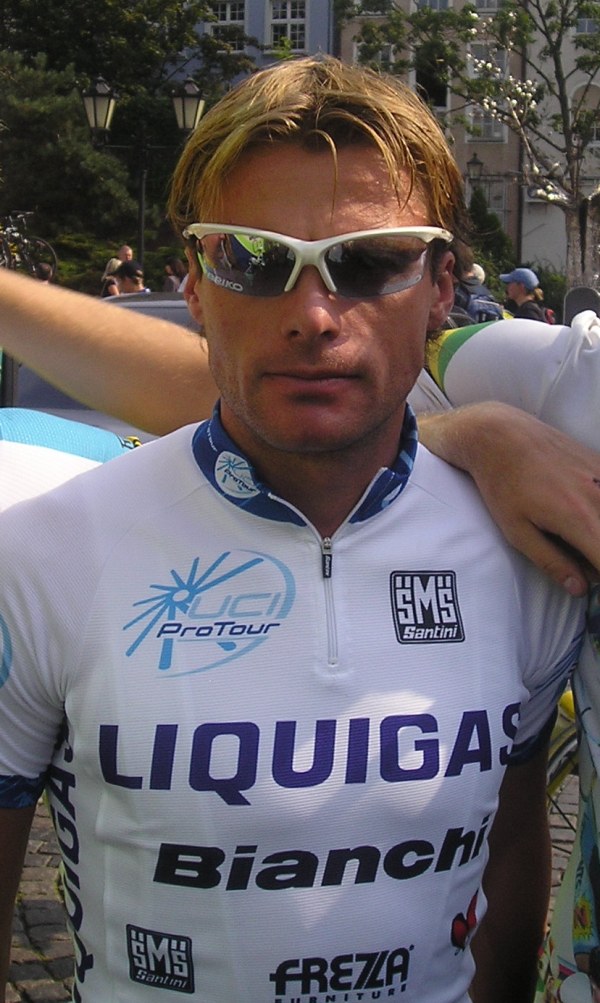
Danilo Di Luca, born on January 2, 1976, in Spoltore, Italy, is a name that resonates deeply within the cycling world. Known as the “Killer of Spoltore,” Di Luca’s career is marked by extraordinary triumphs as well as significant controversies. His journey from a small town in Italy to the world stage of professional cycling is a story of raw talent, relentless ambition, and ultimately, the harsh realities of professional sports.
Early Life and Entry into Cycling
Danilo Di Luca’s passion for cycling began at an early age. Growing up in Spoltore, a small town in the province of Pescara, Di Luca was exposed to the rich cycling culture of Italy. His first race at the age of eight in Picciano marked the beginning of a career that would see him rise rapidly through the ranks. By 1984, at just eight years old, Di Luca won his first race, showcasing his natural aptitude for the sport.
This early victory was a sign of things to come. Di Luca’s progression through the junior categories was swift and impressive. In 1997, at the age of 21, he claimed victory in the Giro d’Italia Under 23, a title that would be a stepping stone to his professional career. This win was particularly significant as it underscored his potential to compete at the highest levels of the sport.
Professional Career and Achievements
Danilo Di Luca turned professional in 1998, and his impact was immediate. His aggressive racing style, combined with his ability to deliver in crucial moments, earned him the nickname “Killer of Spoltore.” Over the years, Di Luca became known for his versatility and strength, excelling in both one-day races and grand tours.
One of Di Luca’s most notable achievements came in 2007 when he won the Giro d’Italia. This victory cemented his place among the elite cyclists of his generation. The Giro is one of cycling’s most prestigious races, and winning it placed Di Luca in the company of legends. His performance was marked by consistency, tactical acumen, and sheer willpower, traits that defined his career.
In addition to his Giro d’Italia victory, Di Luca’s career was highlighted by numerous other successes. He won several classics, including the Amstel Gold Race in 2005, and performed well in the Ardennes classics, where his explosive climbing ability made him a formidable opponent.
Controversies and Doping Scandals
However, Danilo Di Luca’s career is also marred by controversy. In the late 2000s, the world of professional cycling was rocked by doping scandals, and Di Luca found himself at the center of these controversies. The pressure to perform at the highest level in a sport notorious for its grueling demands led many athletes, including Di Luca, down a dangerous path.
In 2009, during the Giro d’Italia, Di Luca tested positive for CERA, a third-generation EPO, a performance-enhancing drug. This was a significant blow to his career and reputation. The Italian National Anti-Doping Tribunal handed him a two-year suspension, which many believed would be the end of his career.
Despite this setback, Di Luca attempted a comeback, but his efforts were short-lived. In April 2013, he tested positive again for EPO during an out-of-competition test. This second offense led to a lifetime ban from professional cycling, making him the first Italian cyclist to be permanently banned from the sport.
The Legacy of Danilo Di Luca
Danilo Di Luca’s legacy in cycling is a complex one. On one hand, he was an immensely talented cyclist whose achievements on the bike were extraordinary. His 2007 Giro d’Italia victory remains a highlight in the annals of Italian cycling. On the other hand, his involvement in doping scandals has overshadowed much of his career, serving as a cautionary tale about the pressures and temptations faced by professional athletes.
Di Luca’s story is also a reflection of a broader issue within cycling during the late 1990s and 2000s, a period often referred to as the “doping era.” Many of the sport’s biggest names were implicated in doping scandals, and the sport itself underwent significant changes in response to these issues. The implementation of more stringent anti-doping measures and the push for a cleaner sport were direct consequences of the widespread use of performance-enhancing drugs during this time.
Age, Fame, and Life After Cycling
As of 2024, Danilo Di Luca is 48 years old. His life after cycling has been relatively quiet, as he has largely stayed out of the public eye following his lifetime ban. While some former athletes in similar situations have sought redemption through public apologies or by working with anti-doping agencies, Di Luca’s post-cycling life has been more private.
The fame Di Luca enjoyed during his career has waned significantly, largely due to the doping scandals that tarnished his reputation. However, his name still comes up in discussions about the history of cycling, particularly when addressing the sport’s darker chapters.
Historical Context and Cycling’s Doping Era
To fully understand Danilo Di Luca’s career and its impact, it’s important to consider the historical context of professional cycling during his time. The late 1990s and early 2000s were a period of intense competition in cycling, with advancements in training techniques, nutrition, and unfortunately, doping. The pressures to win, coupled with the lucrative contracts and endorsements that came with success, led many athletes to use performance-enhancing drugs.
Doping had been a part of cycling for decades, but it was during Di Luca’s era that the use of substances like EPO became widespread. The development of more sophisticated drugs and methods made it increasingly difficult for anti-doping agencies to keep up. This led to a culture where doping was often seen as necessary to compete at the highest levels.
The consequences of this era are still felt today. Many cyclists from that time have admitted to doping, and the sport has had to work hard to rebuild its reputation. The introduction of the biological passport and other anti-doping measures has helped, but the shadow of the doping era still looms over the sport.
Search Intent Keywords and SEO Considerations
When considering search engine optimization (SEO) for this article, it’s crucial to incorporate relevant keywords and phrases that align with the search intent of users interested in Danilo Di Luca. Phrases such as “Danilo Di Luca age,” “Danilo Di Luca career highlights,” “Danilo Di Luca doping scandal,” and “Giro d’Italia winner 2007” are likely to be of interest to those searching for information on him.
Additionally, integrating long-tail keywords like “Italian cyclist Danilo Di Luca biography” or “history of doping in cycling” can help capture more specific search queries. Given the controversial nature of Di Luca’s career, it’s also important to include terms related to doping in cycling, as this is a significant aspect of his story that users may be researching.
Conclusion
Danilo Di Luca’s career is a microcosm of the triumphs and pitfalls of professional cycling. His rise to fame, marked by incredible victories and a relentless competitive spirit, is a testament to his talent and determination. However, his legacy is irrevocably linked to the darker side of the sport, serving as a reminder of the consequences of the choices athletes make under pressure.
Today, Danilo Di Luca remains a figure of both admiration and caution within the cycling community. His story is a reflection of an era in cycling that has left a lasting impact on the sport. As the cycling world continues to evolve, the lessons learned from the careers of athletes like Di Luca are invaluable in shaping a future that values both achievement and integrity.


