
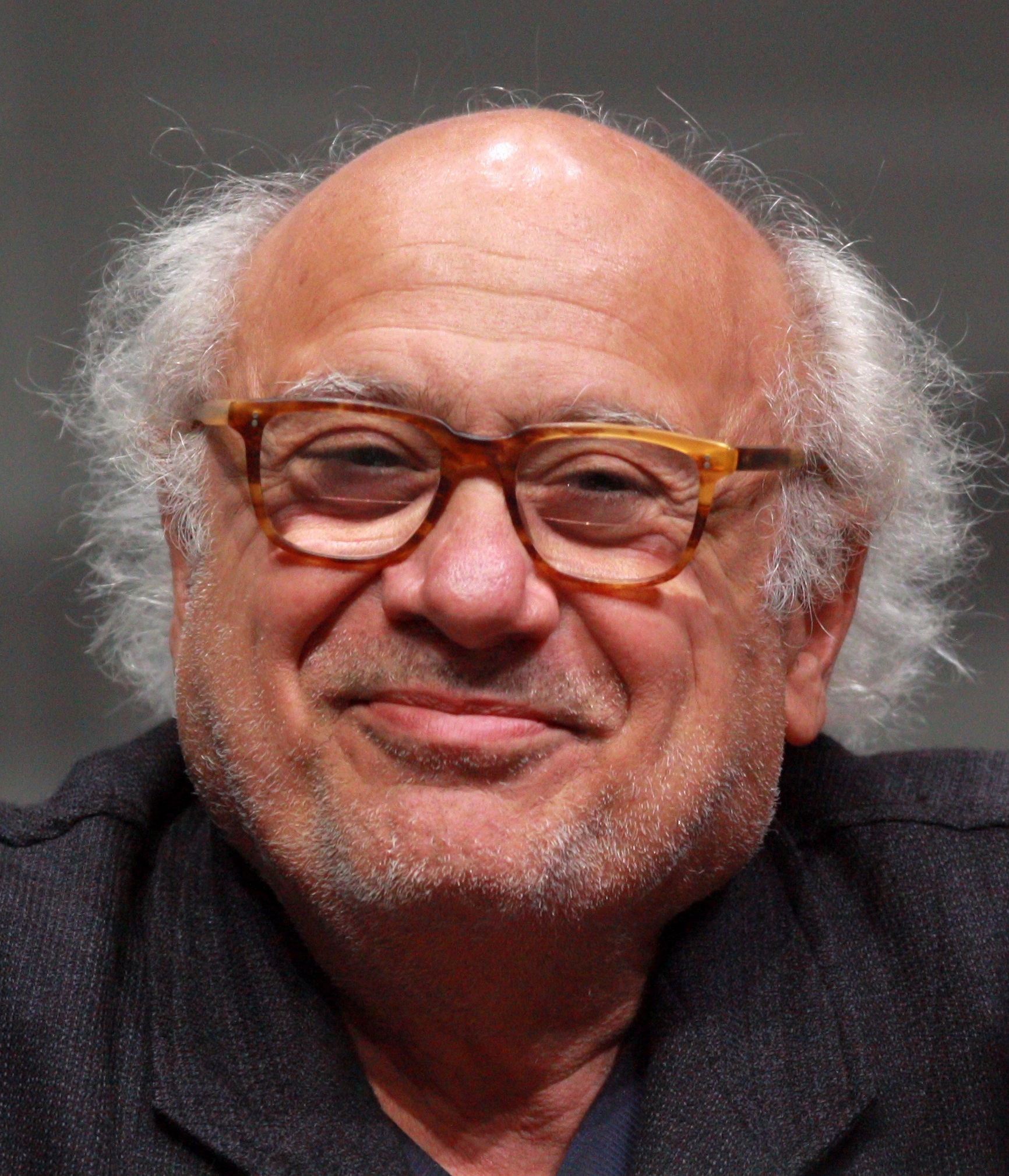
Danny DeVito, born Daniel Michael DeVito on November 17, 1944, in Neptune, New Jersey, is an iconic figure in American entertainment. With a career spanning over five decades, DeVito has established himself as a versatile actor, director, and producer, known for his distinctive voice, short stature, and remarkable range in both comedic and dramatic roles. This article explores Danny DeVito’s age, rise to fame, and key life highlights, offering detailed insights into his journey and the historical context that shaped his career.
Early Life and Family Background
Danny DeVito was born into a working-class Italian-American family. His parents, Julia and Daniel DeVito Sr., were originally from San Fele, a small town in the Basilicata region of Italy. DeVito’s father managed a small business, running a dry-cleaning shop, while his mother was a homemaker. Growing up in Asbury Park, New Jersey, DeVito experienced a typical American childhood, albeit one deeply rooted in his Italian heritage.
DeVito attended the Oratory Preparatory School in Summit, New Jersey, where he graduated in 1962. Despite his height of just 4 feet 10 inches, which made him the subject of occasional teasing, DeVito’s vibrant personality and sense of humor quickly set him apart from his peers. After high school, DeVito briefly worked at his sister’s beauty salon before deciding to pursue a career in acting. He enrolled at the American Academy of Dramatic Arts in New York City, where he trained to become a professional actor.
The Beginnings of a Remarkable Career
Danny DeVito’s early career in the 1960s and 1970s was marked by persistence and a willingness to take on a wide variety of roles. He began his acting career in theater, working in off-Broadway productions and gradually making his way into the film industry. DeVito’s big break came in 1970 when he was cast in a small role in the Italian film La Mortadella (Lady Liberty), starring alongside the legendary Sophia Loren.
Following this, DeVito appeared in Woody Allen’s Bananas (1971) and The Good, the Bad, and the Ugly (1966), albeit in minor roles. However, it wasn’t until his portrayal of Martini in the film adaptation of One Flew Over the Cuckoo’s Nest (1975) that DeVito began to gain significant attention. The role, which he had previously played on stage, showcased his talent for combining humor with pathos, laying the groundwork for the rest of his career.
The Rise to Fame: “Taxi” and Beyond
The turning point in Danny DeVito’s career came in 1978 when he was cast as Louie De Palma, the irascible dispatcher of the Sunshine Cab Company, in the television sitcom Taxi. The show, which ran until 1983, was a critical and commercial success, and DeVito’s performance earned him a Golden Globe Award for Best Supporting Actor in a Television Series. Louie De Palma became one of television’s most memorable characters, and DeVito’s portrayal of the scheming yet oddly lovable dispatcher made him a household name.
Taxi not only solidified DeVito’s reputation as a talented comedic actor but also opened doors for him in Hollywood. His success on television led to a series of film roles in the 1980s, including appearances in Romancing the Stone (1984) and its sequel The Jewel of the Nile (1985), both of which were box office hits. DeVito’s comedic timing and ability to play both villainous and endearing characters made him a sought-after actor in both comedy and drama.
Danny DeVito: Actor, Director, Producer
As Danny DeVito’s acting career flourished, he also began to explore opportunities behind the camera. In 1987, he made his directorial debut with Throw Momma from the Train, a dark comedy in which he also starred alongside Billy Crystal. The film was a commercial success and established DeVito as a talented director with a flair for dark humor.
DeVito continued to direct and produce throughout the 1990s and 2000s, with notable films including The War of the Roses (1989), Hoffa (1992), and Matilda (1996). Matilda, based on the beloved children’s book by Roald Dahl, became a family classic and is often cited as one of DeVito’s most enduring works. In addition to directing, DeVito has produced a wide range of films through his production company, Jersey Films, including the critically acclaimed Pulp Fiction (1994) and Erin Brockovich (2000).
Iconic Roles and Cultural Impact
One of Danny DeVito’s most iconic roles came in 1992 when he portrayed the Penguin in Tim Burton’s Batman Returns. DeVito’s portrayal of the grotesque yet tragic villain was widely praised, and the role remains one of his most memorable performances. His collaboration with Burton continued with films like Mars Attacks! (1996) and Big Fish (2003), further cementing his place in the pantheon of Hollywood greats.
In addition to his film work, DeVito has become a beloved figure in television through his role as Frank Reynolds on the long-running sitcom It’s Always Sunny in Philadelphia. Joining the cast in 2006, DeVito’s character, a morally ambiguous and often outrageous figure, quickly became a fan favorite. The show’s irreverent humor and DeVito’s fearless performance have made It’s Always Sunny in Philadelphia a cult hit, and DeVito’s involvement has introduced him to a new generation of fans.
Personal Life: Family, Marriage, and Limoncello
While Danny DeVito has enjoyed a successful career in Hollywood, he has also managed to maintain a relatively private personal life. In 1982, he married actress Rhea Perlman, best known for her role as Carla on the television show Cheers. The couple has three children together: Lucy, Grace, and Jacob. Although DeVito and Perlman separated in 2012, they have remained close and continue to co-parent their children, often collaborating on various projects.
In addition to his work in entertainment, DeVito has ventured into the business world. In 2007, he launched Danny DeVito’s Premium Limoncello, a brand of the popular Italian lemon liqueur. The venture was inspired by DeVito’s Italian heritage and his love of the drink, and it quickly became a hit in the United States.
Historical Context and Cultural Significance
Danny DeVito’s career has spanned a period of significant change in the entertainment industry. He began his career in the 1970s, a time when television and film were undergoing major transformations. The rise of independent cinema in the 1980s and 1990s provided opportunities for actors like DeVito to take on more diverse and challenging roles, both in front of and behind the camera.
DeVito’s ability to navigate these changes and remain relevant in an industry known for its fickleness is a testament to his talent and versatility. His work has had a lasting impact on both popular culture and the film industry, influencing a generation of actors, directors, and producers.
Moreover, DeVito’s success as a short-statured actor in a business that often favors conventional leading men has made him an inspiration to many. His career challenges traditional Hollywood norms, proving that talent and determination are more important than physical appearance.
The Legacy of Danny DeVito
Danny DeVito’s legacy in Hollywood is multifaceted. He is an actor, director, and producer whose work has left an indelible mark on the entertainment industry. His ability to move seamlessly between comedy and drama, television and film, and acting and directing is a rare gift that few in the industry possess.
DeVito’s contributions to the world of film and television are numerous. As an actor, he has given audiences some of the most memorable characters in cinematic history, from the lovable Louie De Palma to the sinister Penguin. As a director and producer, he has been behind some of the most critically acclaimed and successful films of the last few decades.
Beyond his professional achievements, DeVito’s personal story is one of perseverance and triumph. He has overcome physical challenges and industry biases to become one of the most beloved figures in entertainment. His success serves as a reminder that with talent, hard work, and a bit of humor, anything is possible.
Conclusion: Danny DeVito’s Enduring Influence
Danny DeVito is more than just a talented actor and filmmaker; he is a cultural icon whose influence extends beyond the screen. His work has entertained millions, and his unique presence in Hollywood has paved the way for future generations of actors who don’t fit the traditional mold.
As DeVito continues to take on new roles and projects, his legacy only grows stronger. Whether he is playing a morally ambiguous character on It’s Always Sunny in Philadelphia, directing a new film, or producing an indie hit, DeVito remains a force to be reckoned with in the entertainment industry.
His journey from a small town in New Jersey to the heights of Hollywood is a story of determination, creativity, and an unyielding passion for his craft. Danny DeVito is a testament to the power of talent and perseverance, and his impact on the world of entertainment will be felt for generations to come.


