
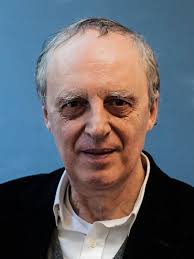
Dario Argento, born on September 7, 1940, in Rome, Italy, is one of the most influential filmmakers in the horror and thriller genres. Known for his stylistic innovation and ability to create intense suspense, Argento’s work has left an indelible mark on the cinematic landscape. This comprehensive biography explores his early life, rise to fame, significant works, and his lasting impact on the film industry.
Early Life and Education
Dario Argento was born to a Sicilian father, Salvatore Argento, a film producer and critic, and a Brazilian mother, Elda Luxardo, a fashion photographer. This artistic background profoundly influenced Argento’s career path. However, his relationship with his parents, especially his father, was complex, particularly during his adolescence.
Argento’s academic journey was unconventional. He enrolled in a classical high school but abandoned it in his second year, choosing instead to escape and live independently. During this period, Argento lived in Paris, where he worked as a dishwasher to make ends meet. This experience broadened his perspective and exposed him to various cultural influences.
Early Career: From Critic to Screenwriter
Upon returning to Italy, Argento began working as a film critic for the Roman newspaper “Paese Sera.” His sharp, often contrarian reviews quickly made a name for him. Argento’s talent for storytelling and a deep understanding of cinema led him to screenwriting. Collaborating with Sergio Amidei, he co-wrote several scripts, including:
- “Scusi, lei è favorevole o contrario?” (1967): Directed by Alberto Sordi.
- “Una corda una colt” (1968): Directed by Robert Hossein.
- “Un esercito di cinque uomini” (1969): Directed by Don Taylor and Italo Zingarelli.
Directorial Debut and Early Success
In 1969, Argento made his directorial debut with “L’uccello dalle piume di cristallo” (The Bird with the Crystal Plumage), released in 1970. The film, a giallo thriller, initially had a modest reception but eventually became one of the year’s biggest successes in Italian cinema. This film established Argento as a master of suspense and horror.
Following this success, Argento directed “Il gatto a nove code” (The Cat o’ Nine Tails) and “Quattro mosche di velluto grigio” (Four Flies on Grey Velvet), both released in 1971. These films further solidified his reputation and showcased his ability to create tension and intrigue.
Masterpieces and Stylistic Innovations
“Profondo Rosso” (Deep Red) – 1975
Argento’s “Profondo Rosso” (Deep Red) is often considered his magnum opus. The film, blending horror and mystery, features intricate plot twists, stunning visual compositions, and a memorable score by Goblin. “Profondo Rosso” is a synthesis of Argento’s stylistic experimentation, creating an atmosphere of relentless suspense.
“Suspiria” – 1977
In 1977, Argento released “Suspiria,” a supernatural horror film that marked a departure from his earlier, more grounded works. “Suspiria” is renowned for its vivid color palette, nightmarish atmosphere, and haunting score by Goblin. The film’s story of a ballet school harboring dark secrets captivated audiences and critics alike.
“Inferno” – 1980
“Inferno,” the spiritual sequel to “Suspiria,” continued Argento’s exploration of the supernatural. The film’s intricate visuals and atmospheric storytelling further cemented Argento’s status as a leading figure in horror cinema.
“Tenebre” – 1982
“Tenebre” saw Argento return to the giallo genre with a story about a mystery writer entangled in a series of brutal murders. The film’s stark lighting and innovative camera work highlighted Argento’s evolving style.
Continued Success and Evolution
Throughout the 1980s and 1990s, Argento continued to produce influential films:
- “Phenomena” (1985): A horror film combining elements of the supernatural and psychological thriller, featuring a young Jennifer Connelly.
- “Opera” (1987): Known for its intricate set pieces and striking visuals, “Opera” explores the terrors of a young opera singer.
- “Trauma” (1993): Featuring his daughter, Asia Argento, “Trauma” delves into psychological horror.
- “La sindrome di Stendhal” (The Stendhal Syndrome) – 1995: A psychological thriller once again starring Asia Argento.
- “Il fantasma dell’Opera” (The Phantom of the Opera) – 1998: A reimagining of the classic tale.
Later Career and Recent Works
Argento’s later career saw him continue to innovate within the horror genre, albeit with varying critical reception:
- “Non ho sonno” (Sleepless) – 2001: A return to the giallo genre, praised for its suspenseful narrative.
- “Il Cartaio” (The Card Player) – 2004: A modern thriller involving a serial killer and online gaming.
- “La terza madre” (Mother of Tears) – 2007: The final installment in the “Three Mothers” trilogy, concluding the narrative begun with “Suspiria” and “Inferno.”
- “Giallo” – 2009: A psychological thriller starring Adrien Brody.
Contributions as a Producer
Argento has also made significant contributions as a producer, supporting films and television series that align with his unique vision. Notable productions include:
- “Zombi” (Dawn of the Dead) – 1978: Directed by George Romero.
- “Demoni” (Demons) – 1985: Directed by Lamberto Bava.
- “La chiesa” (The Church) – 1989: Directed by Michele Soavi.
Personal Life and Legacy
Dario Argento’s influence extends beyond his filmography. His distinctive style, characterized by vivid imagery, intense suspense, and innovative storytelling, has inspired countless filmmakers and left an enduring legacy in the horror genre.
Argento’s personal life has also been in the public eye, particularly his relationship with his daughter, Asia Argento, who has become a prominent actress and director in her own right. Their collaborations have been a significant aspect of both their careers.
Conclusion
Dario Argento’s career is a testament to his enduring creativity and influence in the world of cinema. From his early days as a film critic to his status as a master of horror and suspense, Argento has continually pushed the boundaries of the genre. His films, marked by their unique visual style and ability to evoke fear, remain classics of Italian and international cinema.
For more detailed insights into Dario Argento’s life and career, visit his full biography on biografieonline.it.


