
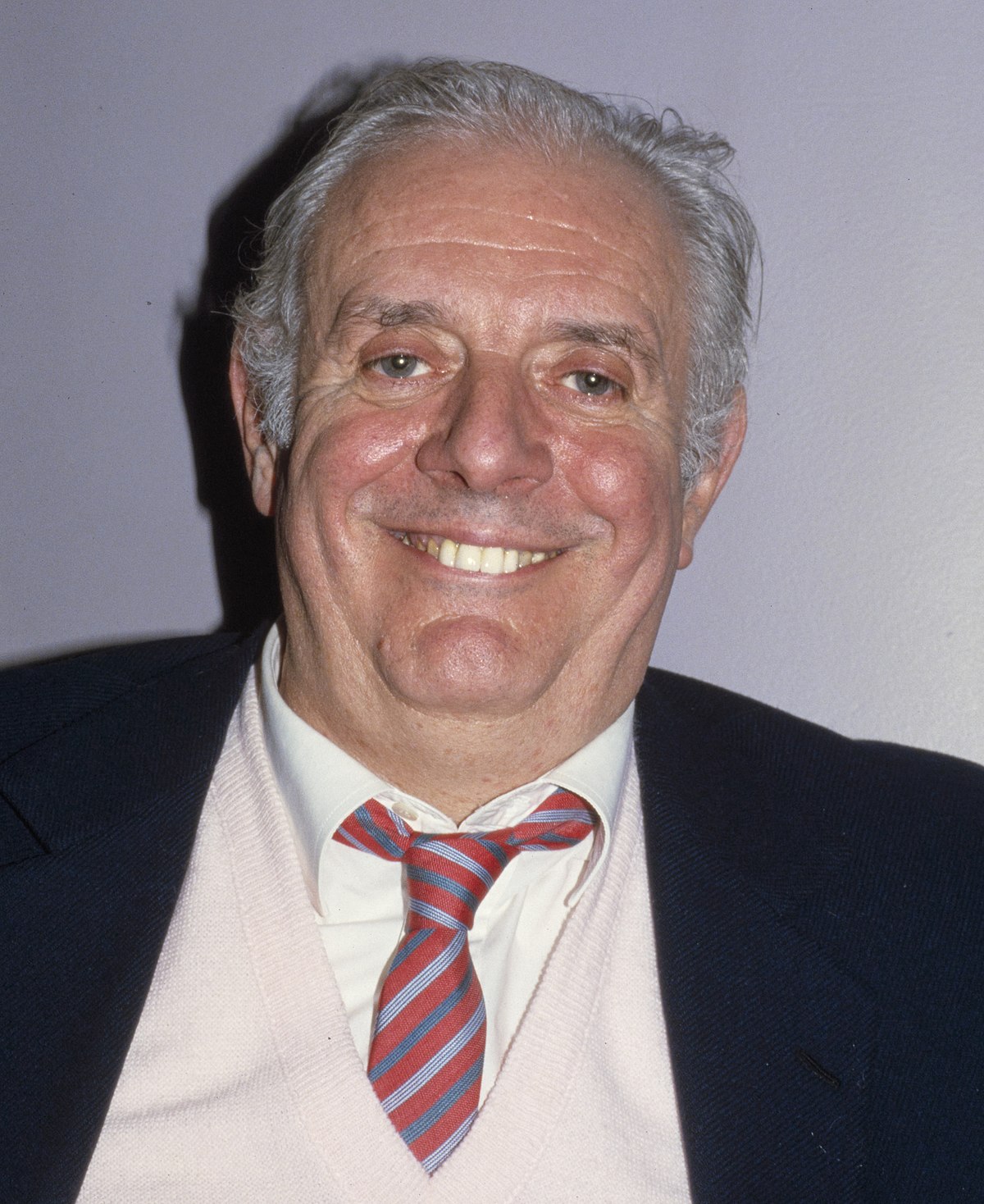
Introduction: The Provocative Genius of Italian Theatre
Dario Fo, born on March 24, 1926, in Sangiano, Italy, was a multifaceted artist known for his work as a playwright, actor, director, and political activist. Fo’s contributions to theater and literature earned him international acclaim, including the prestigious Nobel Prize in Literature in 1997. His work, characterized by satire, farce, and sharp political commentary, challenged societal norms and gave voice to the oppressed. This article delves into the life, fame, and key highlights of Dario Fo’s career, exploring the nuances of his artistic contributions and his enduring legacy.
Early Life: The Roots of a Revolutionary Artist
A Childhood Marked by Anti-Fascism
Dario Fo was born into a family with strong anti-fascist beliefs. His father was a railway worker and a member of the Italian Socialist Party, while his mother was a farmer. Growing up in a politically charged environment during the rise of fascism in Italy, Fo was exposed to the struggles of the working class and the harsh realities of totalitarianism. These early experiences would later shape his worldview and his work as an artist.
Education and Early Influences
Fo moved to Milan as a young man, where he attended the prestigious Accademia di Belle Arti di Brera. Although he initially studied painting and architecture, Fo’s true passion was the theater. His time at the Politecnico di Milano, where he studied architecture, was cut short as he abandoned his studies to pursue a career in the performing arts. Despite not completing his formal education, Fo’s exposure to a wide array of artistic disciplines deeply influenced his later work, which often combined visual elements with dramatic performance.
The Beginnings of a Theatrical Career: Satire and Improvisation
Early Work in Radio and Theater
In the early 1950s, Dario Fo began his career in entertainment by working with RAI, Italy’s national public broadcasting company. He wrote and performed in radio programs, most notably the monologues titled Poer nano. These early works displayed his unique style—characterized by improvisation and satire—which would become his trademark. Fo’s collaboration with prominent figures in Italian theater, such as Franco Parenti and Giustino Durano, led to the creation of Il dito nell’occhio (1953), a satirical play that tackled social and political issues of the time.
Struggles with Censorship
Fo’s early work was not without controversy. In 1954, his play Sani da legare, which critiqued the political climate of post-war Italy, faced significant censorship. The experience of having his work censored only fueled Fo’s resolve to create art that challenged authority and spoke truth to power. This defiance against censorship became a recurring theme throughout his career, as Fo continued to push the boundaries of what was acceptable in Italian society.
The Formation of a Theatrical Dynasty: Collaboration with Franca Rame
Marriage and Creative Partnership
In 1954, Dario Fo married Franca Rame, an accomplished actress who would become his lifelong partner both personally and professionally. Together, they formed one of the most influential creative duos in modern theater. In 1959, they established their own theater company, which allowed them to produce and perform works that were often controversial and politically charged. Rame was not only a muse and collaborator but also a formidable force in her own right, bringing her own talents and perspectives to their joint projects.
Impact of Their Collaboration
The collaboration between Fo and Rame led to the creation of numerous iconic works that addressed issues such as social injustice, political corruption, and the struggles of the working class. Their performances were known for their humor, wit, and ability to resonate with audiences on a deep, emotional level. Despite facing frequent censorship and legal challenges, the duo remained committed to using theater as a tool for social change.
The Creation of Mistero Buffo and the Rise of Grammelot
Mistero Buffo: A Revolutionary Work
One of Dario Fo’s most celebrated works, Mistero Buffo (1969), epitomizes his unique approach to theater. The play is a one-man show in which Fo performs a series of medieval mystery plays, reinterpreted through a modern lens. What set Mistero Buffo apart was its use of grammelot, a made-up language that combines elements of various Italian dialects, archaic expressions, and onomatopoeic sounds. This inventive use of language allowed Fo to communicate complex ideas and emotions in a way that was both humorous and deeply resonant.
The Power of Grammelot
Grammelot became a hallmark of Fo’s work, showcasing his genius for linguistic invention and physical comedy. By blending different dialects and creating a rhythm and sound that transcended traditional language barriers, Fo was able to connect with audiences across Italy and beyond. Mistero Buffo not only solidified Fo’s reputation as a master of satire but also demonstrated his ability to use humor as a powerful tool for critiquing social and political institutions.
Political Engagement and the Theater of Protest
Formation of the Collettivo Teatrale La Comune
In 1969, Fo and Rame founded the Collettivo Teatrale La Comune, a theater collective that aimed to create works that were politically engaged and accessible to the masses. The collective was known for its radical approach to theater, often using public spaces and non-traditional venues to stage performances. One of the most significant moments in the collective’s history was the occupation of the Palazzina Liberty in Milan in 1974, which became a hub for political theater and counter-information.
Notable Works and Political Impact
Fo’s work during this period was marked by a deep engagement with the political turmoil of the time. Morte accidentale di un anarchico (1970), for example, was inspired by the suspicious death of Giuseppe Pinelli, an anarchist who died while in police custody. The play, which mixed farce with serious political commentary, became one of Fo’s most influential works. Another significant work from this period is Guerra di popolo in Cile (1973), which addressed the political situation in Chile following the coup that ousted President Salvador Allende. Through these works, Fo used theater as a means to provoke thought, inspire action, and give voice to the marginalized.
International Acclaim and the Nobel Prize
Return to Television and International Recognition
After years of being blacklisted from Italian television due to his controversial works, Dario Fo made a triumphant return to the small screen in 1977. His reappearance on television allowed him to reach a wider audience and further solidified his status as a cultural icon. Throughout the 1980s, Fo continued to create groundbreaking works, including Johan Padan a la descoverta de le Americhe and Il diavolo con le zinne, while also focusing on teaching and writing. In 1987, he published Manuale minimo dell’attore, a guide for aspiring actors that drew on his extensive experience in the theater.
The Nobel Prize in Literature
In 1997, Dario Fo was awarded the Nobel Prize in Literature, an honor that recognized his contributions to the arts and his role as a “modern jester” who used humor to criticize the powerful and defend the oppressed. The Nobel Committee praised Fo for emulating the jesters of the Middle Ages, “flagellating authority and upholding the dignity of the oppressed.” The award sparked both acclaim and controversy, as some questioned whether Fo, who was known for his performances rather than traditional literary works, deserved the prize. Nonetheless, the award cemented Fo’s place in the pantheon of great literary and theatrical figures.
Later Years: Advocacy, Art, and Legacy
Activism and Continued Artistic Production
Even in his later years, Dario Fo remained a passionate advocate for social and political causes. He used his platform to campaign against the European Parliament’s Directive on the patenting of living organisms, aligning himself with scientific and humanitarian organizations in opposition to the legislation. Fo also continued to produce art, including paintings, which he pursued with the same vigor and creativity that had defined his theatrical work.
Supporting the Next Generation
Fo’s commitment to social justice extended to his support for contemporary political movements, including Italy’s Five Star Movement, led by comedian Beppe Grillo and activist Gianroberto Casaleggio. His involvement with the movement highlighted his belief in the power of grassroots activism and the importance of challenging the status quo.
A Lasting Legacy
Dario Fo passed away on October 13, 2016, at the age of 90, leaving behind a legacy that continues to inspire artists, activists, and audiences around the world. His work not only entertained but also challenged viewers to think critically about the world around them. Through his unique blend of humor, satire, and political engagement, Fo redefined the role of the artist in society and demonstrated the power of theater as a tool for social change.
Conclusion: Dario Fo, The Eternal Jester
Dario Fo’s life and career were marked by an unrelenting commitment to using art as a means of social critique and empowerment. From his early days as a struggling artist in Milan to his rise as a Nobel Laureate, Fo never wavered in his belief that theater could—and should—challenge authority and give voice to the voiceless. His innovative use of language, his fearless approach to controversial topics, and his deep empathy for the underprivileged have left an indelible mark on the world of theater and beyond. As we reflect on his life and work, Dario Fo remains a powerful reminder of the potential of art to not only reflect reality but to change it.


