
Introduction
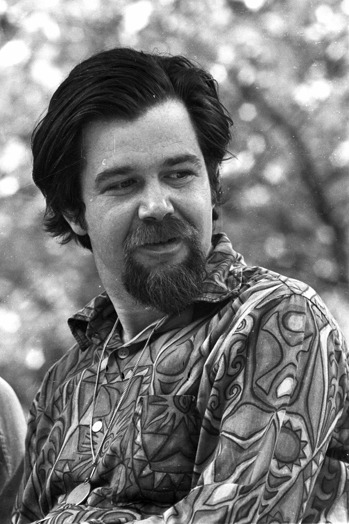
Dave Van Ronk, often hailed as “The Mayor of MacDougal Street,” was a towering figure in the American folk music revival of the 1950s and 1960s. Born on June 30, 1936, in Brooklyn, New York, Van Ronk’s influence on the Greenwich Village music scene cannot be overstated. A friend and mentor to many, including the legendary Bob Dylan, Van Ronk was known for his deep, gravelly voice, intricate guitar work, and an unyielding commitment to his craft. This article explores the life and legacy of Dave Van Ronk, from his early years in New York City to his lasting impact on American music and culture.
Early Life and Musical Beginnings
Dave Van Ronk was born into a working-class family in Brooklyn, New York. From a young age, he was drawn to music, and by his teenage years, he had already begun to explore the rich musical landscape of New York City. At 15, he moved to Queens to attend Holy Child Catholic High School, where he first started performing in a Barbershop Quartet, a group that sang in barbershops and other local venues. This early experience with harmony and vocal performance laid the foundation for Van Ronk’s later musical endeavors.
Despite his musical talents, Van Ronk was not particularly interested in formal education. He dropped out of high school before graduating and began spending more time in Manhattan, particularly in the vibrant neighborhood of Greenwich Village. This area, known for its bohemian atmosphere and diverse artistic community, would become Van Ronk’s home and the center of his musical career.
Embracing the Blues and Folk Music
In the early 1950s, Dave Van Ronk briefly served as a merchant seaman, a job that took him away from New York for periods of time but also exposed him to a wide variety of musical styles. However, it was the blues that truly captivated him. Inspired by artists like Mississippi John Hurt and Furry Lewis, Van Ronk began to immerse himself in the world of traditional American music, particularly blues and folk.
Van Ronk’s decision to focus on the blues was somewhat unconventional for a white musician at the time, but he approached the genre with deep respect and authenticity. His guitar playing, characterized by intricate fingerpicking and a strong rhythmic sense, became a hallmark of his style. By the late 1950s, he had established himself as a fixture in the Greenwich Village music scene, performing regularly in local clubs and coffeehouses.
The Folk Revival and Early Recordings
The late 1950s and early 1960s were a period of significant cultural change in the United States, and the folk music revival was at the heart of this transformation. Dave Van Ronk was one of the leading figures in this movement, known not only for his performances but also for his role as a mentor and collaborator with other emerging artists.
In 1959, Van Ronk recorded his first album, “Sings Ballads, Blues & a Spiritual,” for Folkways Records. This album showcased his unique blend of blues, folk, and jazz influences and helped establish his reputation as a versatile and skilled musician. Over the next few years, he released several more albums, including “Dave Van Ronk, Folksinger” (1963) and “Inside Dave Van Ronk” (1964), both of which are considered classics of the folk genre.
Van Ronk’s music was characterized by a raw, emotional intensity that resonated with audiences. His deep, gravelly voice and masterful guitar work set him apart from many of his contemporaries, and he quickly became known as one of the leading lights of the Greenwich Village folk scene.
Political Activism and the Radical Left
Dave Van Ronk was not only a musician but also a committed political activist. He was deeply involved in the social and political movements of the 1960s, particularly those related to civil rights and the anti-war movement. Van Ronk was a member of the Libertarian League and the Trotskyist American Committee for the Fourth International, organizations that reflected his radical left-wing beliefs.
His activism was closely tied to his music, and many of his songs addressed issues of social justice and political change. Van Ronk believed that music could be a powerful tool for raising awareness and inspiring action, and he used his platform to speak out against injustice in all its forms.
In 1969, Van Ronk found himself unexpectedly involved in the Stonewall Riots, a series of spontaneous demonstrations by members of the LGBTQ+ community against a police raid at the Stonewall Inn in Greenwich Village. Although he was not part of the LGBTQ+ community himself, Van Ronk was arrested during the riots, highlighting his commitment to standing in solidarity with marginalized groups.
Collaborations and Influence on Other Artists
Throughout his career, Dave Van Ronk was a mentor and collaborator to many younger musicians who would go on to achieve great fame. Perhaps the most famous of these was Bob Dylan, who arrived in New York in the early 1960s and quickly fell under Van Ronk’s wing. Dylan has often spoken about the influence that Van Ronk had on his early music, particularly his guitar technique and approach to folk songs.
Van Ronk was generous with his time and knowledge, and he played a significant role in helping to shape the sound and direction of the Greenwich Village folk scene. He introduced Dylan and other young musicians to traditional American music, sharing his extensive knowledge of blues, jazz, and folk. Van Ronk’s influence can be heard in the work of many artists from this period, and his contributions to the folk revival continue to be celebrated.
Later Career and Continued Contributions to Music
As the 1960s gave way to the 1970s, Dave Van Ronk continued to record and perform, though the folk scene was no longer at the center of popular culture. Nevertheless, he remained an influential figure, releasing albums such as “No Dirty Names” (1966), “Dave Van Ronk and the Hudson Dusters” (1967), and “Van Ronk” (1967).
In 1974, Van Ronk participated in a benefit concert organized by Phil Ochs for Chilean political refugees following the military coup led by Augusto Pinochet. The concert, titled “An Evening with Salvador Allende,” featured performances by Van Ronk, Bob Dylan, Arlo Guthrie, and Pete Seeger. This event was emblematic of Van Ronk’s enduring commitment to political activism through music.
The 1980s saw Van Ronk receive greater recognition for his contributions to music. In 1985, he was awarded the prestigious Tenco Prize, an Italian music award recognizing his lifetime achievements. During this decade, he released several more albums, including “Your Basic Dave Van Ronk” (1982) and “Going Back to Brooklyn” (1985), the latter of which showcased his enduring connection to his New York roots.
Legacy and Cultural Impact
Dave Van Ronk’s legacy is deeply intertwined with the history of American folk music. Known as the “Mayor of MacDougal Street,” a nickname that reflects his central role in the Greenwich Village scene, Van Ronk’s influence extends far beyond his recordings. He was a key figure in the folk revival, helping to shape the sound and ethos of a movement that sought to reconnect with the roots of American music.
Van Ronk’s contribution to music was recognized posthumously in various ways. In 2004, a portion of Sheridan Square in Greenwich Village was renamed “Dave Van Ronk Street” in his honor. This small but significant gesture reflects the deep respect and admiration that the community continues to hold for him.
In 2013, the Coen Brothers released the film “Inside Llewyn Davis,” which was loosely based on Van Ronk’s life and the folk scene of the 1960s. While the character of Llewyn Davis, portrayed by Oscar Isaac, is not a direct representation of Van Ronk, the film captures the spirit of the era and pays homage to the musicians who, like Van Ronk, helped define a generation.
Van Ronk’s autobiography, “The Mayor of MacDougal Street,” co-written with Elijah Wald, was published posthumously in 2005. The book offers a rich, detailed account of his life and the vibrant music scene of Greenwich Village. It serves as both a memoir and a history of an era that shaped modern American music.
Personal Life and Final Years
Despite his larger-than-life persona on stage, Dave Van Ronk was known for his humility and approachability. He was deeply connected to the Greenwich Village community, where he spent most of his life. Van Ronk never learned to drive, preferring to stay close to his beloved neighborhood, which had nurtured his artistic career.
In his later years, Van Ronk faced health challenges, including colon cancer. Despite these difficulties, he continued to perform and record music, driven by his unwavering passion for his craft. His final album, “Dave Van Ronk: Sweet & Lowdown,” was released in 2001, just a year before his death.
Dave Van Ronk passed away on February 10, 2002, at the age of 65, due to cardiopulmonary failure. His death marked the end of an era for the Greenwich Village folk scene, but his music and influence live on. Van Ronk’s work continues to inspire new generations of musicians, and his contributions to American music are remembered and celebrated by fans and scholars alike.
Conclusion
Dave Van Ronk was more than just a folk singer; he was a cornerstone of the American folk revival, a mentor to some of the most influential musicians of the 20th century, and a dedicated activist who used his music to advocate for social justice. His deep voice, masterful guitar playing, and commitment to the authenticity of his craft made him a beloved figure in the Greenwich Village scene and beyond.
Though he may not have achieved the same level of commercial success as some of his contemporaries, Van Ronk’s impact on American music is undeniable. His legacy is preserved in his recordings, his writings, and the countless musicians he influenced. As long as there are those who seek to understand and appreciate the roots of American music, Dave Van Ronk’s name will continue to be spoken with reverence and respect.


