
Introduction
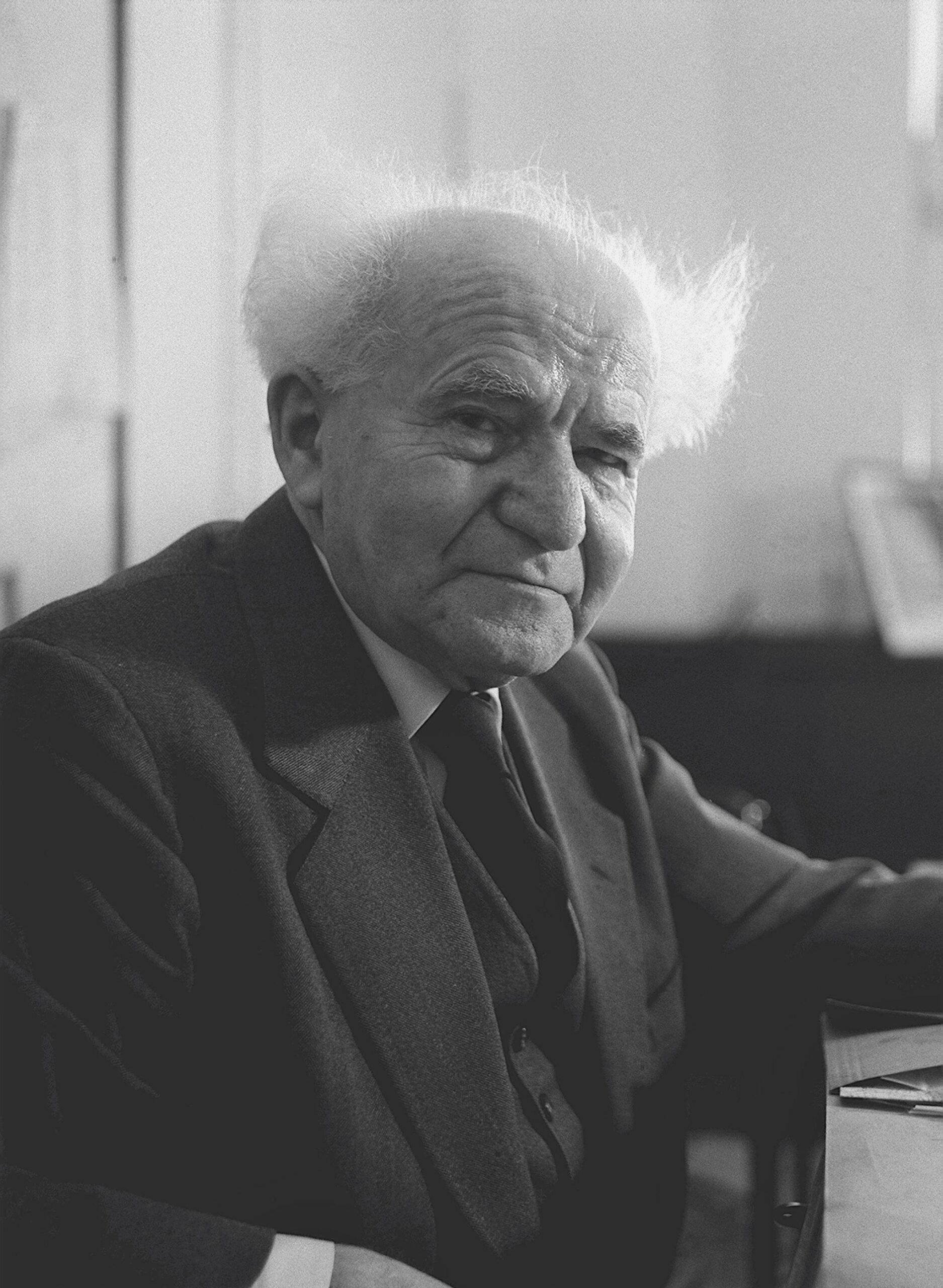
David Ben-Gurion, born David Grün on October 16, 1886, in Plonsk, then part of the Russian Empire, is a pivotal figure in the history of Israel. Known as the primary national founder of the State of Israel and the first Prime Minister of Israel, Ben-Gurion’s life was marked by his unwavering commitment to Zionism and the establishment of a Jewish state. This article explores the age, fame, and life highlights of David Ben-Gurion, offering detailed insights into his significant contributions and the historical context of his actions.
Early Life and Background
Family and Heritage
David Ben-Gurion was born into a family deeply rooted in Zionist ideals. His father, Avigdor Grün, was an ardent Zionist and a leader in the Hovevei Zion movement, which aimed to promote Jewish settlement in Palestine. This early exposure to Zionist ideology profoundly influenced Ben-Gurion’s aspirations and future endeavors.
Education and Early Interests
From a young age, Ben-Gurion was immersed in Jewish history and culture. His education began in a traditional Jewish school and continued at a Hebrew high school in Warsaw. His intellectual curiosity and dedication to the Zionist cause led him to pursue higher education at the University of Istanbul, where he studied law. However, his studies were interrupted by his active involvement in the Zionist movement.
The Path to Zionism
Emigration to Palestine
In 1906, at the age of 20, David Ben-Gurion emigrated to Palestine, then part of the Ottoman Empire. He initially worked as an agricultural laborer and later as a teacher, deeply embedding himself in the early Jewish settlement community. It was during this time that he adopted the Hebrew name Ben-Gurion, inspired by the historical figure Yosef ben Gurion.
Political Activism
Ben-Gurion’s early years in Palestine were marked by his involvement in socialist Zionist movements. He co-founded the Poale Zion party, which advocated for Jewish labor and settlement in Palestine. His political activities soon led to his expulsion from Palestine by the Ottoman authorities in 1915 due to his nationalist activities.
World War I and Zionist Leadership
During World War I, Ben-Gurion relocated to New York, where he continued his Zionist activism. He established strong connections with American Zionist leaders and worked tirelessly to garner support for the Zionist cause. After the war, he returned to Palestine, now under British mandate, and became a prominent leader within the Jewish community.
The Road to Israeli Independence
Founding of the Mapai Party
In 1930, Ben-Gurion played a crucial role in the founding of the Mapai (Labor) Party, which became the dominant political force in the Yishuv (the Jewish community in Palestine). As the party’s leader, he focused on building the infrastructure of the future Jewish state, including the establishment of the Histadrut (General Federation of Labor).
Role in the Jewish Agency
From 1935 to 1948, Ben-Gurion served as the chairman of the executive committee of the Jewish Agency for Palestine. In this capacity, he was instrumental in organizing Jewish immigration and settlement in Palestine, despite British restrictions. His leadership during this period laid the groundwork for the establishment of the State of Israel.
World War II and the Holocaust
The outbreak of World War II and the subsequent Holocaust had a profound impact on Ben-Gurion and the Zionist movement. He actively supported the British war effort against Nazi Germany while simultaneously preparing the Jewish community for future independence. The horrors of the Holocaust underscored the urgency of establishing a Jewish state as a refuge for Jews worldwide.
The Birth of Israel
Declaration of Independence
On May 14, 1948, David Ben-Gurion proclaimed the establishment of the State of Israel. As the head of the provisional government, he declared Israel’s independence in Tel Aviv, marking the culmination of decades of Zionist efforts. This historic moment was immediately followed by the Arab-Israeli War, as neighboring Arab states invaded the newly declared state.
Leadership During the War of Independence
Ben-Gurion’s leadership during the War of Independence was characterized by his determination and strategic acumen. Despite facing overwhelming odds, the Israeli forces managed to secure victory and establish Israel’s sovereignty. Ben-Gurion’s ability to unite the various Jewish militias into a cohesive fighting force was pivotal to Israel’s success.
Prime Minister and Nation Builder
First Term as Prime Minister
As Israel’s first Prime Minister, Ben-Gurion focused on state-building and integrating the diverse Jewish immigrant population. His policies emphasized economic development, military readiness, and the establishment of key institutions. Under his leadership, Israel absorbed hundreds of thousands of Jewish immigrants from Europe, the Middle East, and North Africa.
The Suez Crisis
During his second term as Prime Minister, Ben-Gurion faced significant challenges, including the Suez Crisis of 1956. In response to Egyptian President Gamal Abdel Nasser’s nationalization of the Suez Canal, Ben-Gurion ordered the invasion of the Sinai Peninsula. Although international pressure forced Israel to withdraw, the operation demonstrated Israel’s military capability and strategic importance in the region.
Later Years in Office
Ben-Gurion’s later years in office were marked by his efforts to secure peace and stability for Israel. He pursued diplomatic relations with various countries and focused on strengthening Israel’s defense capabilities. In 1963, he retired from political life, leaving a lasting legacy as the father of the nation.
Legacy and Influence
Contributions to Zionism
David Ben-Gurion’s contributions to Zionism and the establishment of the State of Israel are immeasurable. His vision, leadership, and unwavering commitment to the Jewish people shaped the course of modern Jewish history. He is remembered as a pragmatic and determined leader who navigated complex political landscapes to achieve his goals.
Memorials and Honors
Ben-Gurion’s legacy is commemorated through numerous memorials and institutions bearing his name. Ben-Gurion University of the Negev, Ben-Gurion Airport, and various streets and public spaces in Israel honor his contributions. His writings and speeches continue to inspire generations of Israelis and Zionists worldwide.
Enduring Impact
The impact of Ben-Gurion’s leadership extends beyond his lifetime. His emphasis on education, scientific research, and technological innovation laid the foundation for Israel’s modern economy. His vision of a democratic and inclusive Jewish state continues to guide Israeli society and politics.
Conclusion
David Ben-Gurion’s life and achievements are a testament to his visionary leadership and dedication to the Zionist cause. From his early activism to his pivotal role in the establishment of the State of Israel, Ben-Gurion’s legacy endures as a symbol of determination and resilience. His contributions to Jewish history and the modern state of Israel remain profound, making him a central figure in the narrative of the Jewish people.


