
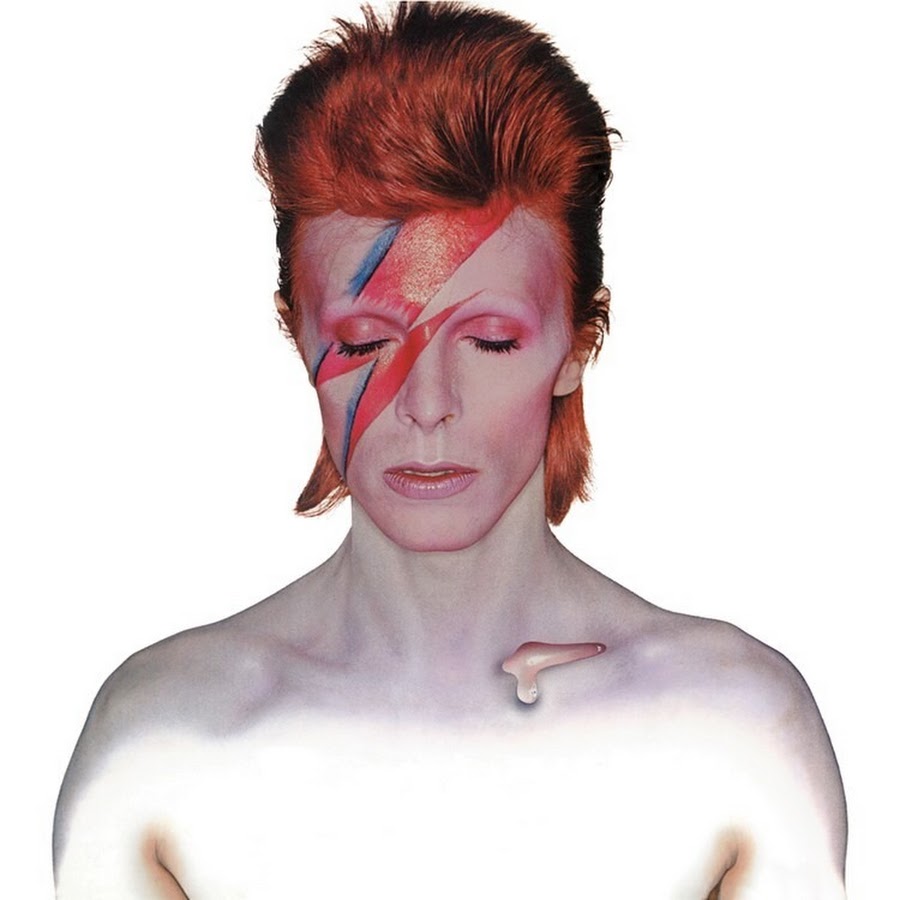
David Bowie, born David Robert Jones on January 8, 1947, in Brixton, London, was a transformative figure in the world of music and culture. Known for his eclectic style, boundary-pushing creativity, and profound impact on music and art, Bowie’s career spanned over five decades. This article delves into his age, rise to fame, significant life highlights, and enduring legacy, offering an in-depth look at his remarkable journey.
Early Life and Background
Birth and Family
David Bowie was born to Haywood Stenton “John” Jones, a promotions officer for the children’s charity Barnardo’s, and Margaret Mary “Peggy” Jones, a waitress. He was raised in a working-class family and had an older half-brother, Terry Burns, who would later influence his interest in music and the arts.
Early Interests and Education
Bowie showed an early interest in music, influenced by his older brother Terry, who introduced him to the worlds of jazz and rock ‘n’ roll. At the age of nine, Bowie began playing the saxophone and attended Bromley Technical High School, where he studied art, music, and design. His education and early exposure to various musical genres laid the foundation for his diverse and innovative career.
The Path to Stardom
Initial Foray into Music
Bowie’s first venture into the music industry was with several short-lived bands during the 1960s. His early attempts included The Konrads, The King Bees, The Manish Boys, and The Lower Third. Despite limited success, these experiences helped Bowie refine his musical style and stage presence.
Breakthrough Role
David Bowie’s breakthrough came in 1969 with the release of the single “Space Oddity.” The song, inspired by Stanley Kubrick’s film “2001: A Space Odyssey,” became a major hit, reaching the top five in the UK charts. This success marked the beginning of Bowie’s rise to fame and established him as a unique and innovative artist.
Achieving National and International Fame
The Rise of Ziggy Stardust
In 1972, Bowie introduced his alter ego, Ziggy Stardust, with the release of the album “The Rise and Fall of Ziggy Stardust and the Spiders from Mars.” This persona, characterized by flamboyant costumes and androgynous appearance, captivated audiences and catapulted Bowie to international stardom. Ziggy Stardust was more than just a character; it was a symbol of Bowie’s ability to reinvent himself and push the boundaries of music and performance art.
Diverse Musical Styles and Collaborations
Bowie’s career was marked by constant evolution and experimentation. In the mid-1970s, he adopted the persona of the “Thin White Duke” and explored soul and funk music with the album “Young Americans” (1975). He continued to innovate with the influential “Berlin Trilogy”—”Low” (1977), “Heroes” (1977), and “Lodger” (1979)—which incorporated electronic and ambient music. Bowie’s willingness to collaborate with other artists, including Brian Eno, Iggy Pop, and Queen, further showcased his versatility and creativity.
Personal Life and Relationships
Marriages and Family
David Bowie’s personal life was as dynamic as his professional career. He married Mary Angela Barnett, known as Angie Bowie, in 1970. The couple had one son, Duncan Zowie Haywood Jones, born in 1971. Their marriage ended in divorce in 1980. In 1992, Bowie married Somali-American model Iman Abdulmajid. The couple had a daughter, Alexandria “Lexi” Zahra Jones, born in 2000. Bowie and Iman’s relationship was marked by deep mutual respect and love, and they remained together until his death.
Influences and Interests
Bowie was deeply influenced by a wide range of cultural and artistic movements. His fascination with avant-garde art, cinema, and literature profoundly impacted his work. He was known for his extensive reading and interest in diverse subjects, from philosophy to science fiction, all of which found expression in his music and public personas.
Career Highlights and Achievements
Iconic Albums and Hits
David Bowie’s discography is rich with iconic albums and hits that have left an indelible mark on the music industry. Some of his most celebrated works include “Hunky Dory” (1971), “Aladdin Sane” (1973), “Diamond Dogs” (1974), “Station to Station” (1976), “Scary Monsters (and Super Creeps)” (1980), and “Let’s Dance” (1983). Songs like “Life on Mars?,” “Changes,” “Rebel Rebel,” “Heroes,” and “Let’s Dance” are timeless classics that continue to resonate with audiences worldwide.
Awards and Recognitions
Throughout his career, Bowie received numerous awards and accolades. He was inducted into the Rock and Roll Hall of Fame in 1996 and won multiple Grammy Awards, including a Lifetime Achievement Award. His contributions to music, fashion, and culture were celebrated by critics and fans alike, cementing his legacy as one of the most influential artists of all time.
Impact on Music and Cultural Significance
Influence on Music and Fashion
David Bowie’s impact on music and fashion is unparalleled. He broke down barriers with his innovative sound and distinctive style, influencing countless artists across genres. Bowie’s ability to constantly reinvent himself and his music inspired generations of musicians, from punk rockers to pop stars. His flamboyant fashion choices and embrace of androgyny challenged societal norms and opened up new possibilities for self-expression.
Inspirational Figure
Bowie’s life and career are a testament to the power of creativity and the importance of staying true to oneself. His fearless approach to art and music, combined with his ability to connect with audiences on a deeply personal level, made him an inspirational figure for many. Bowie’s influence extends beyond music, affecting art, fashion, and popular culture in profound ways.
Philanthropy and Activism
In addition to his artistic contributions, Bowie was involved in various philanthropic efforts. He supported numerous charities and causes, including AIDS research, famine relief, and education. Bowie’s activism and generosity reflected his commitment to making a positive impact on the world.
The Final Years and Legacy
Later Works and Health
In the later years of his life, Bowie continued to create and innovate. His album “The Next Day” (2013) was a critical and commercial success, marking his return to the music scene after a decade-long hiatus. In 2016, just two days before his death, Bowie released “Blackstar,” an album that was later revealed to be a farewell gift to his fans. The album received widespread acclaim and is considered one of his most profound works.
Death and Posthumous Recognition
David Bowie passed away on January 10, 2016, after an 18-month battle with liver cancer. His death was met with an outpouring of grief and tributes from fans and fellow artists around the world. In the years following his death, Bowie’s influence and legacy have continued to grow. His work is celebrated in numerous exhibitions, documentaries, and tribute concerts, ensuring that his contributions to music and culture will never be forgotten.
Continuing Legacy
David Bowie’s legacy is one of enduring creativity and influence. His ability to transcend genres and constantly reinvent himself has left a lasting impact on the music industry and beyond. Bowie’s work continues to inspire new generations of artists and fans, proving that his influence is as strong today as it was during his lifetime.
Conclusion
David Bowie’s life and career are a testament to the power of innovation and the importance of artistic expression. His remarkable journey from a young boy in Brixton to a global icon reshaped the music landscape and left an indelible mark on popular culture. Bowie’s ability to push boundaries, challenge norms, and connect with audiences on a profound level ensures that his legacy will endure for generations to come.
As we reflect on his life and achievements, it is clear that David Bowie was more than just a musician; he was a visionary artist whose work transcended the limitations of genre and medium. His contributions to music, fashion, and culture continue to inspire and captivate, making him one of the most influential figures in modern history.


