
Introduction
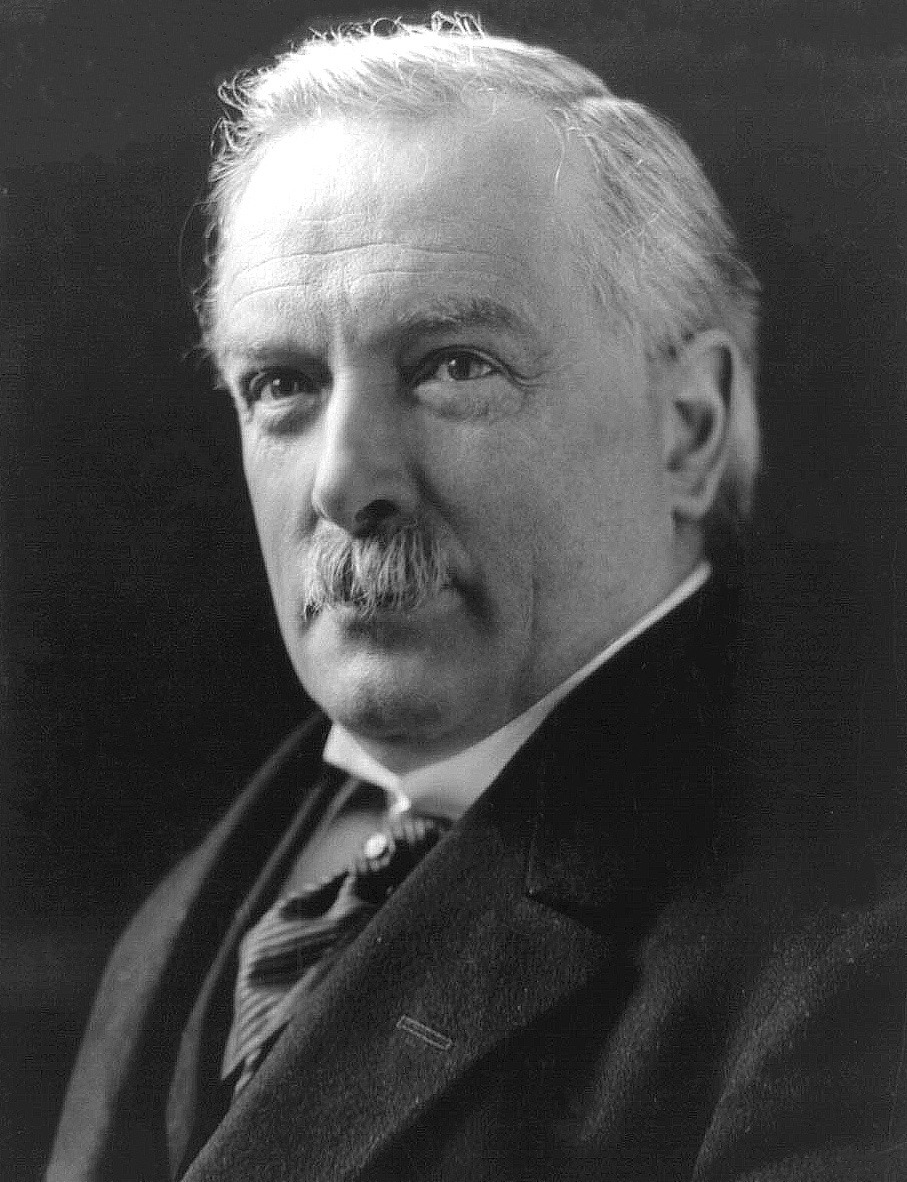
David Lloyd-George, born on January 17, 1863, in Manchester, England, stands as one of the most influential British political figures of the 20th century. Known for his dynamic leadership and radical policies, he was the only Welshman to serve as Prime Minister of the United Kingdom. His tenure was marked by significant reforms and a pivotal role in shaping post-World War I Europe. This article explores Lloyd-George’s life, career, and legacy, providing insights into his rise to fame, major achievements, and the enduring impact of his work.
Early Life and Education
Childhood and Family Background
David Lloyd-George was born into a modest family in Manchester, England. His father, a schoolteacher, died when Lloyd-George was just a child, leaving his mother to raise him and his siblings. In 1869, the family moved to Wales, where Lloyd-George’s early years were shaped by his new surroundings in the rural Caernarfonshire region.
His education began in a local village school, where he displayed an exceptional aptitude for learning. Despite the economic challenges faced by his family, Lloyd-George’s academic talents shone through. He excelled in Latin and French, languages that would later aid his legal and political career. His formative education was both formal and self-directed, laying the foundation for his future achievements.
Early Political Career
Entry into Politics
Lloyd-George entered politics at a young age, driven by a passion for reform and social justice. In 1890, at the age of 27, he was elected as the Liberal Member of Parliament for Caernarfon. His debut speech in Parliament, delivered on June 13, 1890, addressed the issue of alcohol abuse, a topic that would become a recurring theme in his political career.
“We are fighting Germany, Austria, and alcohol, and of the three, alcohol is the worst enemy.”
This early intervention established Lloyd-George as a formidable orator and a champion of progressive causes. His sharp wit and uncompromising stance earned him both respect and fear within the political arena.
Rise to Prominence
Ministerial Positions
Lloyd-George’s political career advanced rapidly. In 1906, he was appointed Minister of Trade and later became the Chancellor of the Exchequer. As Chancellor, Lloyd-George was instrumental in implementing several groundbreaking reforms. His tenure saw the introduction of state pensions, a significant step in addressing poverty and social inequality in Britain.
His innovative policies included the imposition of land taxes to fund social reforms and military expansion, a move that sparked controversy and opposition from landowners and aristocrats. Despite this, Lloyd-George’s reforms laid the groundwork for modern British welfare policies.
Key Legislation and Reforms
One of Lloyd-George’s most notable achievements was the passage of the People’s Budget in 1909, which aimed to address social inequality through progressive taxation. This budget marked a significant shift in British fiscal policy and was a precursor to the welfare state.
Lloyd-George’s reforms extended beyond fiscal policy. As Minister of Munitions during World War I, he played a crucial role in organizing and mobilizing Britain’s war effort. His leadership in this role earned him widespread acclaim and set the stage for his future as Prime Minister.
Prime Ministership and World War I
Leadership During the War
In December 1916, Lloyd-George was appointed Prime Minister, succeeding Herbert Asquith. His leadership during World War I was marked by a strong focus on war strategy and international diplomacy. He worked closely with Allied leaders, including Woodrow Wilson and Georges Clemenceau, to shape the post-war world order.
Lloyd-George’s tenure as Prime Minister was characterized by his efforts to centralize government functions and improve wartime efficiency. He is often credited with guiding Britain through the latter part of the war and securing victory.
Post-War Challenges
The end of World War I brought both triumph and challenge. Lloyd-George’s leadership was pivotal in negotiating the Treaty of Versailles in 1919, which established the League of Nations and outlined war reparations. Despite his success in these negotiations, his post-war administration faced significant challenges, including economic difficulties and political controversies.
Lloyd-George’s tenure saw the introduction of the Irish Free State, a compromise to address Irish independence demands. His handling of domestic issues, including a period of economic downturn and widespread strikes, further complicated his political standing.
Later Life and Legacy
Political Decline and Controversies
Lloyd-George’s political career began to decline in the 1920s. His coalition government with the Conservatives faced internal conflicts and was ultimately dissolved. The Liberal Party, which he had led, failed to regain power, marking the end of an era for the party.
His later years were marked by a series of controversies and scandals. Allegations of corruption and mismanagement tarnished his reputation. Despite these issues, Lloyd-George continued to be a prominent public figure, engaging in journalism and writing his memoirs.
In 1944, he was elevated to the peerage as Earl Lloyd-George of Dwyfor. He passed away on March 26, 1945, at the age of 82. His legacy is remembered for his significant contributions to British politics and international diplomacy.
Personal Life
Lloyd-George was married twice. His first wife, Margaret Owen, was a prominent philanthropist who raised substantial funds for charity during World War I. She was also the first woman in Wales to serve as a justice of the peace. The couple had six children, including Gwilym and Megan, both of whom pursued political careers.
His second marriage was to Frances Stevenson, his personal secretary, in 1943. Stevenson had been a close companion and confidante of Lloyd-George for many years.
Conclusion
David Lloyd-George’s life was a tapestry of achievement, reform, and controversy. From his early days in Wales to his role as Prime Minister and his later years as a public figure, Lloyd-George’s impact on British politics and international relations was profound. His leadership during World War I and his contributions to social reform have left an indelible mark on history. Despite the challenges and controversies that marked his career, Lloyd-George remains a significant figure in the story of modern Britain.


