
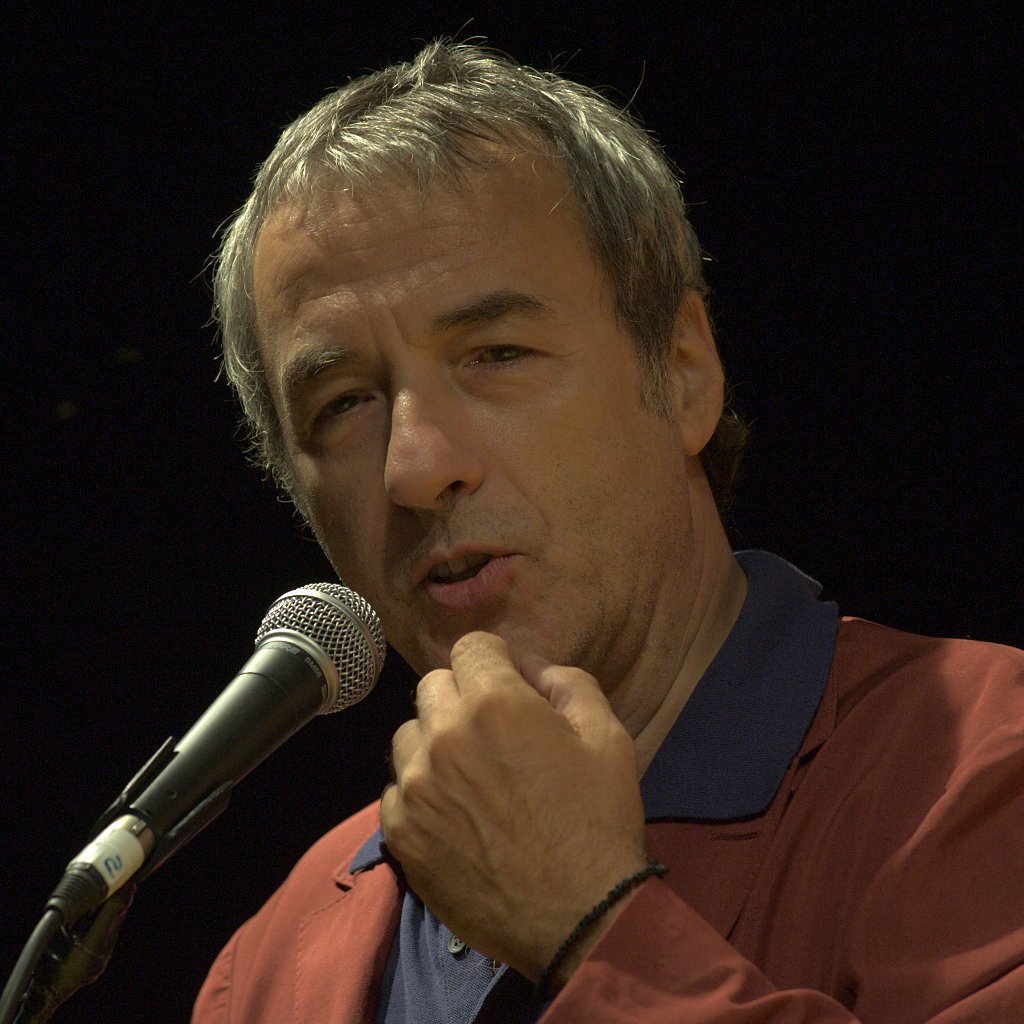
David Riondino, born in Florence, Italy, in 1952, is a multifaceted artist who has made significant contributions to Italian culture as a singer, writer, playwright, actor, director, and exceptional improviser. With a career that spans several decades, Riondino has left an indelible mark on the Italian entertainment scene through his unique blend of music, comedy, and literary prowess. This article delves into the life, achievements, and lasting impact of David Riondino, providing a comprehensive overview of his journey in the arts.
Early Life and Artistic Inclinations
David Riondino was born and raised in Florence, Tuscany, a region renowned for its rich cultural history and artistic heritage. From a young age, Riondino exhibited a deep interest in the arts, particularly in music and literature. His early years were spent immersing himself in the works of Italian and international artists, which laid the foundation for his diverse creative pursuits later in life.
Riondino’s initial career path, however, was quite different from the world of entertainment. He began his professional life as a librarian, a role he held for about ten years. Despite the stability of this job, Riondino was drawn to the vibrant music scene of the 1970s, particularly the work of singer-songwriters who were gaining popularity at the time. This period of his life was marked by a growing desire to create and perform, leading him to start composing his own songs.
Musical Career: A Journey Through Melody and Satire
David Riondino’s foray into music began with the release of several albums that showcased his talent as a singer and songwriter. His music was characterized by a blend of humor, satire, and social commentary, often parodying popular musical styles of the time. One of his early works, the album “Boulevard,” marked his entry into the Italian music scene, followed by “Tango dei Miracoli,” which featured illustrations by renowned artist Milo Manara. This album was distributed exclusively in newsstands, a unique approach that highlighted Riondino’s unconventional style.
Throughout the 1980s and 1990s, Riondino continued to produce music that was both entertaining and thought-provoking. His albums, including “Racconti Picareschi” (1989) and “Non svegliate l’amore” (1991), were well-received, further establishing him as a distinctive voice in Italian music. His ability to blend musical talent with sharp wit set him apart from his contemporaries, making his performances memorable for their originality and insight.
Theatrical Ventures: Blending Comedy and Drama
In addition to his music, David Riondino made significant contributions to the Italian theater. His theatrical career began in 1989 when he collaborated with Paolo Rossi on the production “Chiamatemi Kowalski,” followed by “La commedia da due lire.” These productions were notable for their innovative approach to comedy and drama, blending traditional theatrical elements with contemporary themes.
Riondino’s work in theater was characterized by his ability to break away from conventional norms, creating performances that were both intellectually stimulating and highly entertaining. His collaborations with other prominent Italian artists, such as Sabina Guzzanti and Bob Messini, resulted in productions that challenged audiences to think critically while enjoying the humor and creativity on display.
In 1996, Riondino debuted his one-man show “Solo con un piazzato bianco,” a performance that combined music, storytelling, and improvisation. The show was a reflection of Riondino’s unique approach to theater, where he seamlessly blended different artistic forms to create a cohesive and engaging experience for his audience.
Television and Film: A New Avenue for Creativity
David Riondino’s talents were not confined to music and theater; he also made a significant impact in television and film. His television career took off in the late 1980s, where he became known for his ability to create quirky, memorable characters that resonated with viewers. Riondino’s appearances on popular Italian TV shows, including the iconic “Maurizio Costanzo Show,” where he performed as Joao Mesquinho, a Brazilian singer-songwriter parody, made him a household name.
His character work on television was celebrated for its originality and humor, with Riondino often blurring the lines between reality and fiction. His ability to improvise and create on the spot made him a favorite among audiences, who appreciated his quick wit and creative storytelling.
Riondino’s film career also flourished during this period. He starred in several Italian films, often bringing his unique comedic sensibility to the big screen. His debut in the film “Kamikazen” alongside Paolo Rossi marked the beginning of his cinematic journey, which would include roles in films like “Cavalli si nasce” and “La Cattedra.” In 1996, Riondino made his directorial debut with the film “Cuba Libre (Velocipedi ai Tropici),” further showcasing his versatility as an artist.
Literary Contributions: Words That Sing
While David Riondino is perhaps best known for his performances, his contributions to literature are equally noteworthy. Throughout his career, Riondino has been a prolific writer, with his work appearing in numerous publications. His poetry and prose often reflect the same wit and insight that characterize his music and performances, with a focus on social commentary and the human experience.
Riondino’s literary work includes contributions to satirical magazines such as “Il Male” and “Cuore,” where his sharp sense of humor and critical eye were on full display. His writing has also been featured in more mainstream publications, including “Comix” and the daily newspaper “Il Manifesto.” These contributions have solidified Riondino’s reputation as a versatile artist capable of expressing his creativity across multiple mediums.
Radio: A Voice for the Airwaves
In addition to his work in television, film, and literature, David Riondino has also made significant contributions to radio. He has hosted several radio programs, where his voice and personality have reached audiences across Italy. His radio work includes collaborations with other prominent Italian artists, such as Dario Vergassola, with whom he co-hosted the program “Vasco De Gama” on Radio2.
Riondino’s radio shows have been characterized by their eclectic mix of music, comedy, and commentary, often blurring the lines between different genres and styles. His ability to engage listeners with his wit and charm has made him a beloved figure in Italian radio, where his programs continue to entertain and inspire.
Social and Political Commentary: A Voice for the People
David Riondino’s work has always been deeply rooted in social and political commentary. His performances, writings, and public appearances often reflect his views on contemporary issues, with a focus on challenging the status quo and advocating for change. Riondino has never shied away from addressing difficult topics, whether through satire, music, or spoken word.
One of the most notable aspects of Riondino’s career is his refusal to conform to conventional labels. Despite his success, Riondino has consistently rejected the idea of being an “intellectual” in the traditional sense, preferring instead to see himself as a communicator who seeks to engage with audiences on a personal level. This approach has allowed him to connect with a wide range of people, from the general public to cultural elites, making his work both accessible and profound.
Riondino’s commitment to social justice is evident in his participation in various cultural and political initiatives. In 2012, he testified as a witness in the trial against Gianfranco Lande, the so-called “Madoff of Parioli,” who was accused of defrauding a thousand Roman “VIPs.” Riondino’s involvement in this case highlights his willingness to speak out against injustice and his desire to use his platform to make a difference.
Legacy and Influence: A Life of Artistic Innovation
David Riondino’s career is a testament to the power of creativity and the importance of staying true to one’s artistic vision. Over the years, he has pushed the boundaries of what it means to be an entertainer, constantly evolving and adapting his style to suit the times. His work has influenced a generation of Italian artists, who have drawn inspiration from his unique approach to music, comedy, and performance.
Riondino’s legacy is one of innovation and authenticity. He has never been afraid to take risks, whether in his music, theater, or television work, and this fearlessness has earned him a place among Italy’s most respected and beloved cultural figures. His ability to blend humor with serious commentary, and to do so across multiple mediums, has made him a versatile and enduring presence in Italian culture.
Conclusion
David Riondino is a true Renaissance man, whose contributions to Italian culture span music, theater, film, literature, and radio. His work is characterized by a unique blend of humor, satire, and social commentary, making him one of Italy’s most distinctive and influential artists. Riondino’s career is a reflection of his deep commitment to creativity and his desire to connect with audiences on a personal level. As we look back on his achievements, it is clear that David Riondino’s impact on Italian culture will be felt for generations to come.


