
Introduction
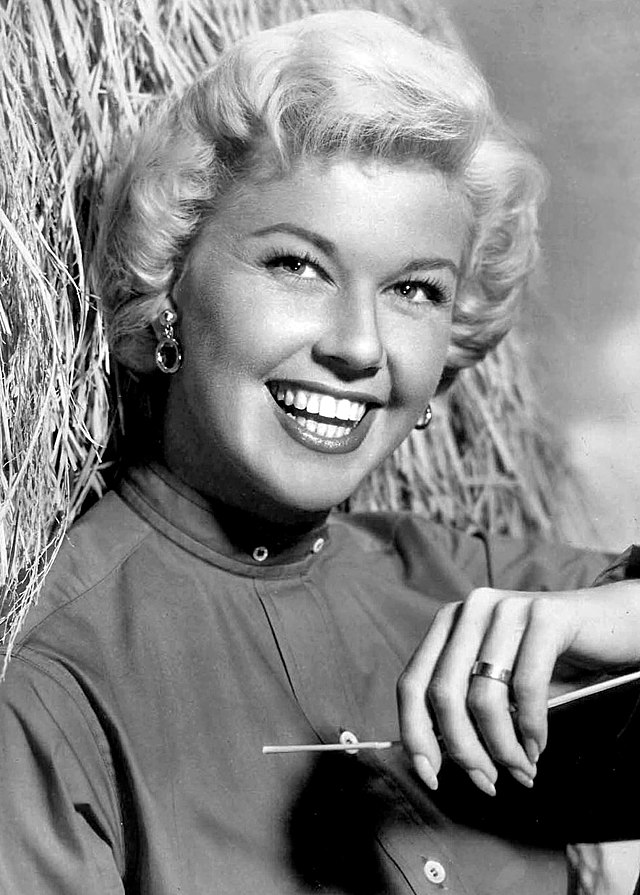
Doris Day, born Doris Mary Ann von Kappelhoff on April 3, 1922, in Cincinnati, Ohio, was an American actress, singer, and animal welfare activist who became an iconic figure in the entertainment industry. Known for her wholesome image, infectious smile, and melodious voice, Doris Day captured the hearts of millions around the world. Over a career that spanned more than three decades, she starred in numerous films, recorded dozens of albums, and left an indelible mark on Hollywood and popular culture. This article delves into the life, career, and lasting impact of Doris Day, exploring her rise to fame, her contributions to cinema and music, and her enduring legacy.
Early Life and Musical Beginnings
Doris Day was born into a German-American family in Cincinnati, where she was raised in a modest household. From a young age, she showed a keen interest in music and dance. Initially, Day aspired to become a professional dancer, but her dreams were cut short after a car accident at the age of 12, which severely injured her leg. During her recovery, Day turned to singing, finding solace and joy in music. Her mother encouraged this new passion, and soon, Doris began taking singing lessons.
By the time she was a teenager, Doris Day’s singing talent had become evident. She started performing on local radio shows and with big bands, most notably with Les Brown and His Band of Renown. Her first major hit came in 1945 with the song “Sentimental Journey,” which resonated with soldiers returning home from World War II. This song catapulted Day to national fame and established her as one of the leading female vocalists of the era.
Hollywood Debut and Rise to Fame
Doris Day’s transition from a successful singer to a Hollywood actress came somewhat unexpectedly. In 1948, she was cast in her first film, Romance on the High Seas, directed by Michael Curtiz. Although initially nervous about acting, Day’s natural charm and talent shone through, and she quickly became a favorite among audiences and filmmakers alike. The film’s success paved the way for a series of roles in musical comedies that showcased her singing and acting abilities.
Throughout the late 1940s and 1950s, Doris Day starred in a string of successful musicals and romantic comedies, solidifying her status as a major Hollywood star. Films such as Calamity Jane (1953), where she played the titular character, and Love Me or Leave Me (1955), in which she portrayed the troubled singer Ruth Etting, showcased her versatility as an actress. In Calamity Jane, Day not only delivered a captivating performance but also sang one of her most famous songs, “Secret Love,” which won an Academy Award for Best Original Song.
The Quintessential “Girl Next Door”
Doris Day’s screen persona was defined by her portrayal of the “girl next door” – wholesome, cheerful, and morally upright. This image resonated deeply with post-war American audiences who were looking for entertainment that reflected traditional values and offered an escape from the complexities of the modern world. Day’s radiant smile, golden hair, and effortless charm made her the ideal embodiment of this archetype.
Her roles in films like Pillow Talk (1959), Lover Come Back (1961), and That Touch of Mink (1962), often opposite Rock Hudson, capitalized on this image. These romantic comedies were light-hearted and witty, with just enough innuendo to be playful without being risqué. Day’s chemistry with Hudson was particularly notable, and the pair became one of Hollywood’s most beloved on-screen couples. Their films were box office hits and are still cherished by fans today.
Singing Career and Iconic Hits
While Doris Day was making waves in Hollywood, her singing career continued to flourish. She recorded numerous albums and singles, many of which became chart-toppers. Her clear, warm voice and impeccable phrasing made her one of the most popular and enduring vocalists of her time. Songs like “Que Sera, Sera (Whatever Will Be, Will Be),” which she sang in Alfred Hitchcock’s The Man Who Knew Too Much (1956), became synonymous with her name and won the Academy Award for Best Original Song.
Day’s music was characterized by its blend of jazz, pop, and easy listening styles, appealing to a broad audience. Her ability to convey emotion through her voice made her recordings timeless, and many of her songs have become standards in the American songbook. Albums like Day by Day (1956) and Doris Day’s Greatest Hits (1958) further cemented her reputation as a leading singer of her generation.
Challenges and Personal Struggles
Despite her sunny on-screen persona, Doris Day’s personal life was marked by challenges and heartbreak. She was married four times, and each marriage brought its own set of difficulties. Her third husband, Martin Melcher, who also served as her manager, made a series of poor financial decisions that left Day nearly bankrupt after his death in 1968. She discovered that Melcher had committed her to a television series, The Doris Day Show, without her knowledge, and that he had squandered much of her earnings. This revelation was a devastating blow to Day, who had always trusted Melcher to manage her finances.
Determined to regain control of her career and life, Day fulfilled her contractual obligations by starring in The Doris Day Show from 1968 to 1973. Although she initially resisted the transition to television, the show became a success and allowed her to recover financially. The series showcased Day’s comedic talents and adaptability, but after its conclusion, she chose to step away from acting, disillusioned by the betrayal she had experienced.
Animal Welfare Activism
In the years following her retirement from acting, Doris Day shifted her focus to animal welfare, a cause that had always been close to her heart. In 1978, she founded the Doris Day Animal Foundation, a non-profit organization dedicated to rescuing and caring for animals in need. She later established the Doris Day Animal League, which became a leading advocacy group for animal rights, lobbying for legislation to protect animals from abuse and neglect.
Day’s commitment to animal welfare was unwavering, and she spent the latter part of her life dedicated to this cause. Her efforts in this field earned her widespread recognition and respect, and she became as well known for her activism as she was for her entertainment career. Her work helped to raise awareness about animal rights and inspired many others to get involved in the cause.
Legacy and Enduring Impact
Doris Day passed away on May 13, 2019, at the age of 97, in her home in Carmel-by-the-Sea, California. Her death marked the end of an era, but her legacy continues to live on through her films, music, and the charitable organizations she founded. Day’s contributions to entertainment and her advocacy for animals have left an indelible mark on both Hollywood and society at large.
As an actress, Day was a symbol of the idealized American woman during a time of great social change. Her performances in romantic comedies set the standard for the genre, and her ability to transition from light-hearted roles to more serious parts demonstrated her range as a performer. Her music, with its timeless appeal, continues to be enjoyed by new generations of listeners.
In a broader cultural context, Doris Day’s image as the “girl next door” represented a certain ideal of femininity that resonated with audiences during the 1950s and early 1960s. However, as societal norms began to shift in the late 1960s, this image became less relevant, leading to a decline in her popularity. Nevertheless, the qualities that Day embodied – optimism, decency, and sincerity – remain timeless and continue to endear her to fans around the world.
Conclusion
Doris Day’s life and career are a testament to her talent, resilience, and unwavering dedication to her principles. From her early days as a big band singer to her rise as one of Hollywood’s brightest stars, Day captivated audiences with her charm, beauty, and exceptional voice. Despite facing personal and professional challenges, she remained a beloved figure in the entertainment industry and used her fame to advocate for causes she cared deeply about.
As we reflect on Doris Day’s legacy, it is clear that she was more than just a Hollywood starlet – she was a trailblazer who left an enduring impact on both the entertainment world and society. Her films and music continue to bring joy to audiences, and her work in animal welfare serves as a lasting reminder of her compassion and generosity. Doris Day’s legacy is one of timeless grace, talent, and kindness, and she will always be remembered as one of the greatest icons of American culture.


