
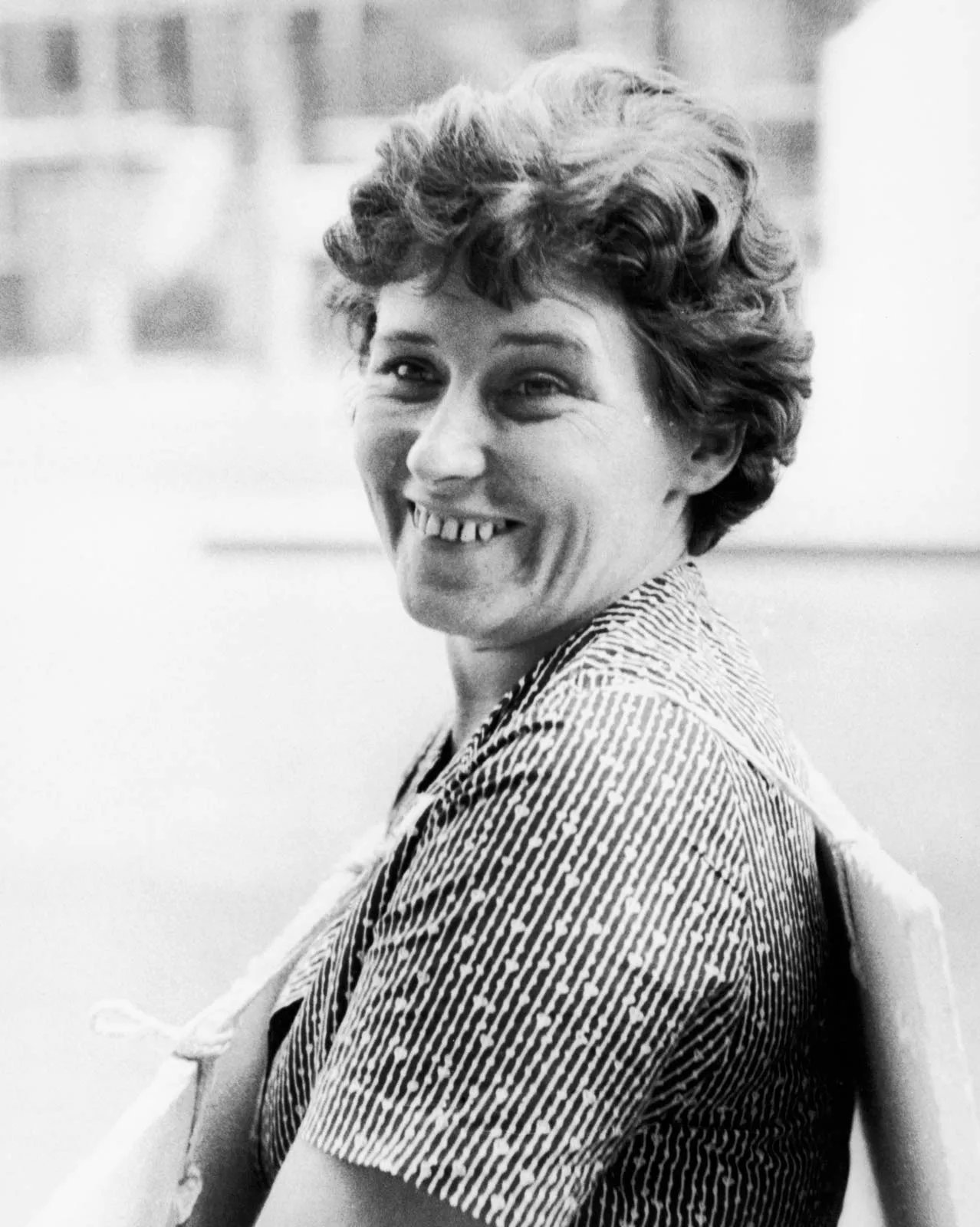
Doris Lessing, a name synonymous with literary excellence and intellectual depth, was one of the most influential writers of the 20th century. Her life, marked by a relentless pursuit of truth, justice, and understanding, was a testament to her extraordinary talent and uncompromising spirit. This article delves into the life, fame, and key highlights of Doris Lessing’s remarkable journey, exploring her early years, rise to prominence, and the lasting legacy she left behind.
Early Life and Background
Doris May Taylor was born on October 22, 1919, in Kermanshah, Iran, which was then known as Persia. Her parents were British, and her father, Alfred Cook Taylor, had served as an officer in the British Army during World War I. After the war, the family moved to Persia, where Alfred worked for the Imperial Bank of Persia. However, due to Alfred’s deteriorating health, the family relocated to Southern Rhodesia (now Zimbabwe) in 1925, seeking a better climate and opportunities in farming.
Growing up in the British colony of Southern Rhodesia profoundly influenced Doris Lessing’s worldview. She attended an all-girls’ convent school in Salisbury (now Harare), but she dropped out at the age of thirteen. Dissatisfied with formal education, Lessing embarked on a path of self-education, voraciously reading literature, politics, and sociology. These formative years laid the foundation for her later works, which would often critique colonialism, social inequality, and the plight of women.
Struggles and Independence
At fifteen, Doris Lessing left her parents’ home, determined to forge her path. She took on various jobs, including working as a nanny, which allowed her the freedom to read and write. During this time, Lessing became involved in politics, particularly the Left Book Club, a socialist reading group. It was here that she met her first husband, Frank Wisdom. They married in 1939 and had two children, John and Jean. However, the marriage was short-lived, and they divorced in 1943.
Lessing’s involvement with the Left Book Club deepened her understanding of Marxist ideologies, and she became increasingly critical of the British Empire’s colonial policies. These experiences would later be reflected in her early works, particularly in her first novel, The Grass is Singing (1950), which portrays the racial tensions and social injustices in Southern Rhodesia.
Literary Breakthrough and Fame
After her divorce, Doris Lessing moved to Salisbury, where she met her second husband, Gottfried Lessing, a German-Jewish refugee and Communist activist. They married in 1945 and had a son, Peter. However, this marriage, too, ended in divorce in 1949. By then, Doris Lessing had made the momentous decision to move to London with her youngest son, leaving Africa behind but carrying its stories and struggles within her.
Lessing’s move to London marked the beginning of her literary career. Her debut novel, The Grass is Singing, was published in 1950 and received critical acclaim for its unflinching portrayal of life in colonial Africa. The novel’s success established Lessing as a powerful new voice in literature, and she soon became known for her exploration of complex social and political issues.
In the 1950s, Doris Lessing published a series of works that further solidified her reputation as a leading writer of her time. The Children of Violence series, which began with Martha Quest (1952), is a semi-autobiographical account of a young woman’s coming of age in Southern Rhodesia. The series spans five novels and traces the protagonist’s journey from adolescence to adulthood, against the backdrop of significant historical events, including World War II and the Cold War.
The Golden Notebook and Feminist Icon
One of Doris Lessing’s most celebrated works is The Golden Notebook (1962), a novel that is often hailed as a seminal text in feminist literature. The book is structured around the life of Anna Wulf, a writer who struggles to find coherence and meaning in her life. Through Anna’s fragmented notebooks, Lessing explores themes of identity, mental illness, and the breakdown of societal norms.
The Golden Notebook resonated with many readers, particularly women, who saw in Anna Wulf’s struggles a reflection of their own lives. The novel’s innovative structure and its exploration of the intersection between personal and political life made it a groundbreaking work. Although Lessing herself resisted being labeled a feminist, the book cemented her status as a feminist icon and a literary pioneer.
Later Works and Diverse Themes
Throughout her career, Doris Lessing’s work evolved, encompassing a wide range of genres and themes. In the 1970s, she turned her attention to science fiction, a move that surprised many of her readers. The Canopus in Argos: Archives series (1979-1983) is a collection of five novels that blend science fiction with mysticism and philosophy. These works reflect Lessing’s interest in Sufism, a mystical branch of Islam that she began exploring in the 1960s.
Lessing’s versatility as a writer is evident in her ability to move between different genres and styles. In addition to science fiction, she wrote essays, short stories, and plays. Her Cats series, which includes Particularly Cats (1967) and The Old Age of El Magnifico (2000), showcases her love for animals and her ability to capture the quirks of feline behavior with warmth and humor.
In the 1980s, Lessing published under the pseudonym Jane Somers, releasing works such as The Diary of a Good Neighbour (1983) and If the Old Could… (1984). This experiment was a commentary on the publishing industry’s treatment of unknown writers, and it demonstrated that even without the weight of her name, her writing could stand on its own merit.
Recognition and Awards
Doris Lessing’s contributions to literature did not go unrecognized. Over the course of her long and prolific career, she received numerous awards and honors. In 1954, she was awarded the Somerset Maugham Award for her collection of short stories, Five. This was followed by the Shakespeare Prize in 1982, the Los Angeles Times Book Prize in 1995, and the David Cohen Prize for a lifetime’s achievement in literature in 2001.
One of the crowning moments of Doris Lessing’s career came in 2007 when she was awarded the Nobel Prize in Literature. At 88, she became the oldest recipient of the award, and her acceptance speech was characteristically humble and humorous. The Nobel Committee praised her for her “skepticism, fire, and visionary power” in depicting “a divided civilization.” This recognition cemented her legacy as one of the most important writers of the 20th century.
Legacy and Influence
Doris Lessing passed away on November 17, 2013, at the age of 94. Her death marked the end of an era, but her works continue to inspire and provoke readers around the world. Lessing’s legacy is not just in the novels she wrote but in the way she challenged societal norms, explored the depths of human consciousness, and gave voice to the voiceless.
Her works remain relevant today, as they address issues that are still pertinent in contemporary society, such as gender inequality, racism, and the search for identity in a fragmented world. Lessing’s ability to capture the complexities of the human experience, her fearless exploration of taboo subjects, and her commitment to social justice make her a timeless figure in literature.
Conclusion
Doris Lessing was more than just a writer; she was a trailblazer who used her pen to challenge the status quo and advocate for a more just and equitable world. From her early experiences in Southern Rhodesia to her final years in London, Lessing’s life was one of constant exploration and intellectual growth. Her works, spanning multiple genres and themes, reflect the breadth of her interests and the depth of her insight into the human condition.
As we look back on her life and legacy, it is clear that Doris Lessing’s contributions to literature are immeasurable. She remains an enduring figure in the literary world, and her works continue to resonate with readers, offering profound insights into the complexities of life, society, and the human soul. Doris Lessing’s story is one of resilience, creativity, and a relentless pursuit of truth—a story that will continue to inspire generations to come.


