
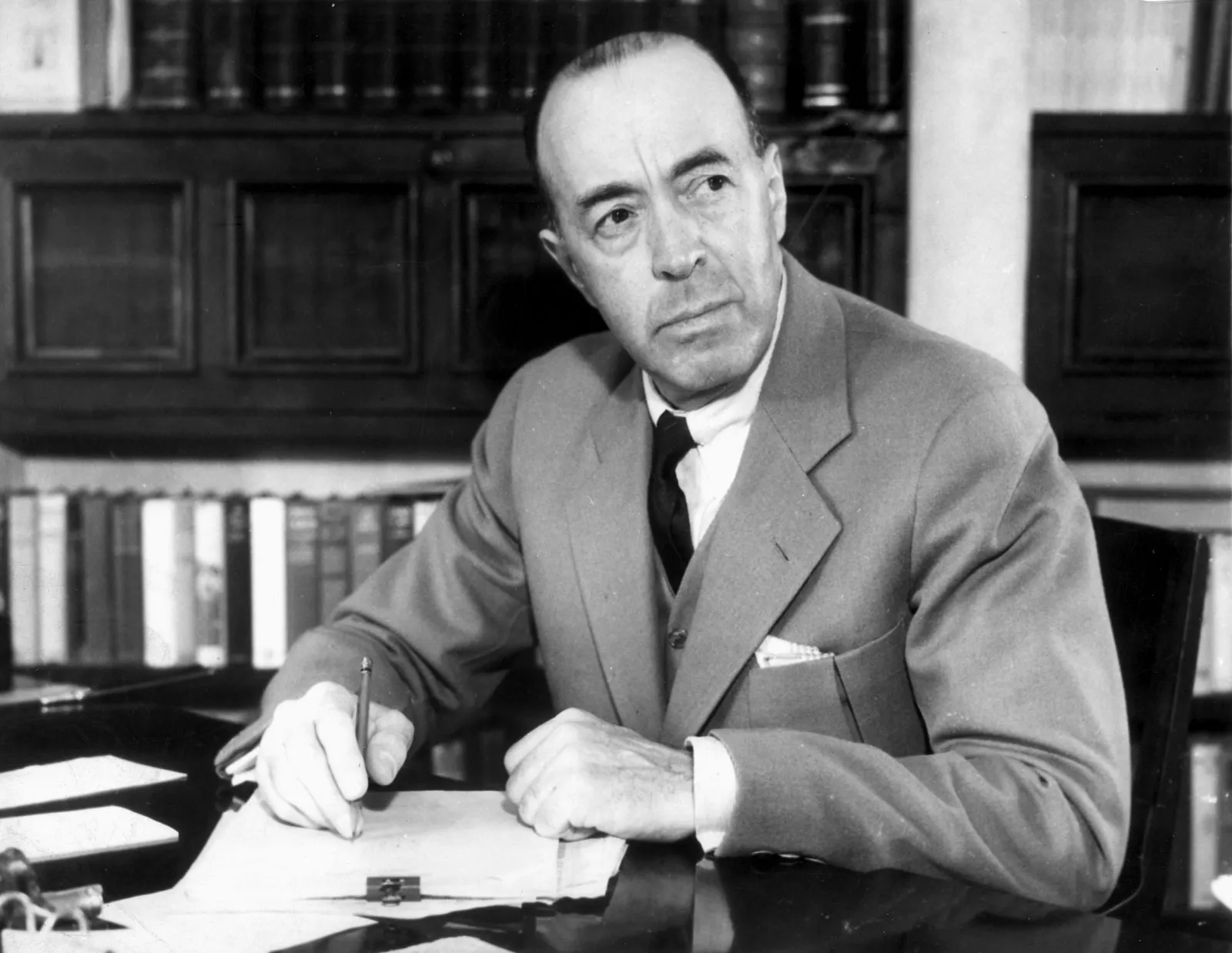
Edgar Rice Burroughs is a name that resonates deeply within the annals of American literature and popular culture. Born on September 1, 1875, in Chicago, Burroughs would go on to become one of the most influential and widely-read authors of adventure and science fiction in the early 20th century. His legacy is firmly cemented by the creation of iconic characters like Tarzan and John Carter of Mars, both of whom have captivated audiences for over a century.
Early Life and Background
Edgar Rice Burroughs was born into a middle-class family, the son of a successful battery manufacturer. His upbringing in Chicago was typical of the time, and he attended several private schools. However, despite his family’s affluence, Burroughs’ early adult life was marked by a series of professional failures and disappointments. Before he found his calling as a writer, Burroughs held various jobs, including stints as a miner, a railway policeman, and even a salesman in a drugstore. His brief service in the U.S. Cavalry also contributed to his diverse life experiences, but none of these pursuits brought him satisfaction or success.
In 1911, after yet another failed business venture—this time involving the sale of pencil sharpeners—Burroughs was at a personal low. He even contemplated suicide, a testament to the deep despair he felt over his lack of direction and purpose. However, in a twist of fate, Burroughs decided to try his hand at writing, a decision that would alter the course of his life and leave an indelible mark on literary history.
The Rise to Fame
Burroughs’ first novel, Under the Moons of Mars, was serialized in 1912 in All-Story Magazine. This work, which would later be published as A Princess of Mars in 1917, introduced readers to John Carter, a Civil War veteran who finds himself transported to Mars. This novel marked the beginning of Burroughs’ prolific Barsoom series, a cornerstone of early science fiction that combined elements of adventure, romance, and fantasy.
While the scientific accuracy of Burroughs’ depiction of Mars is far from our modern understanding of the Red Planet, the series captured the imaginations of countless readers. The Barsoom series is often credited with laying the groundwork for the science fiction genre, influencing subsequent generations of writers and filmmakers. However, it’s important to note that Burroughs’ work often straddled the line between science fiction and fantasy, a blend that contributed to the unique appeal of his stories.
Shortly after the success of Under the Moons of Mars, Burroughs introduced the world to Tarzan of the Apes, a character who would become his most famous creation. The first Tarzan novel, Tarzan of the Apes, also serialized in All-Story Magazine in 1912, was an immediate success. Tarzan, the noble savage raised by apes in the African jungle, quickly became a cultural icon. The character’s appeal was universal, resonating with readers across the globe, and Tarzan’s adventures would eventually span 25 novels, numerous films, comic books, television series, and even animated adaptations.
Entrepreneurial Ventures and Hollywood Success
With the success of his novels, Burroughs’ financial situation improved dramatically. In the 1920s and 1930s, his popularity as an author soared, leading him to establish his own publishing company, Edgar Rice Burroughs, Incorporated (ERB Inc.). This venture allowed him to retain greater control over his work and maximize his profits, a savvy business move that reflected his entrepreneurial spirit.
Hollywood soon took notice of Burroughs’ creations, particularly Tarzan. The first Tarzan film, Tarzan of the Apes, was released in 1918, and it set the stage for a long line of successful Tarzan movies. Burroughs’ involvement with Hollywood not only increased his fame but also solidified Tarzan’s status as a cultural phenomenon. The character’s portrayal in film further expanded Tarzan’s reach, introducing him to new audiences and ensuring his place in popular culture.
Literary Contributions and Legacy
Beyond Tarzan and John Carter, Burroughs created several other notable series, each showcasing his fertile imagination and flair for adventure storytelling. The Pellucidar series, beginning with At the Earth’s Core in 1914, explored a prehistoric world located at the Earth’s center, inhabited by stone-age humans and intelligent reptilian creatures. Inspired by the works of Jules Verne, the Pellucidar series blended science fiction with adventure, much like Burroughs’ earlier works.
Another significant series was The Land That Time Forgot trilogy, first published in Blue Book Magazine in 1918. These stories, set on the mysterious island of Caprona, where the evolutionary process unfolds in reverse, from single-celled organisms to Homo sapiens, are often regarded as some of Burroughs’ best work. The trilogy was later compiled into a single novel, The Land That Time Forgot, which was adapted into a film in 1975.
In 1932, Burroughs embarked on what would become his last major series, The Venus series, starting with The Pirates of Venus. This series, much like the Barsoom books, combined elements of science fiction and fantasy, though with an even more outlandish premise. The protagonist, Carson Napier, intending to travel to Mars, ends up on Venus due to a navigational error. The Venus series, though less well-known than Burroughs’ other works, is still a testament to his boundless creativity.
The Influence of Edgar Rice Burroughs
The impact of Edgar Rice Burroughs on the literary world and beyond is undeniable. His works, while often critiqued for their lack of scientific accuracy or literary sophistication, possess an enduring appeal that has transcended generations. Burroughs had a unique ability to create immersive worlds and compelling characters that drew readers into his stories, making them feel as though they were part of the adventure.
Burroughs’ influence extends far beyond the pages of his novels. His works have inspired countless authors, filmmakers, and artists, and his characters have become ingrained in the cultural consciousness. Tarzan, in particular, has become a symbol of the primal, untamed human spirit, a character who embodies both the allure and danger of the wild.
Moreover, Burroughs’ ability to blend elements of fantasy, science fiction, and adventure set the stage for the development of modern genre fiction. His stories, though often fantastical and far-fetched, tapped into universal themes of exploration, heroism, and the struggle for survival, themes that continue to resonate with audiences today.
The Later Years and Death
In his later years, Burroughs turned his attention to politics, becoming increasingly involved in civic affairs. Despite his success as an author and businessman, Burroughs remained restless and driven, always seeking new challenges and opportunities.
Edgar Rice Burroughs passed away on March 19, 1950, at his ranch in Tarzana, California—a town named after his famous creation, Tarzan. At the time of his death, Burroughs had amassed a considerable fortune, leaving behind an estate valued at over ten million dollars. His legacy, however, is far richer than any financial sum. Through his works, Burroughs left an indelible mark on literature and popular culture, a mark that continues to influence and inspire to this day.
Conclusion
Edgar Rice Burroughs is a towering figure in the history of American literature, a pioneer of adventure and science fiction whose influence is still felt today. His creations, particularly Tarzan and John Carter, have become cultural icons, their stories told and retold across various media. Burroughs’ life story is one of perseverance and creativity, a testament to the power of imagination and the enduring appeal of a well-crafted adventure.
In understanding Burroughs’ life and work, we gain insight into the cultural and literary landscape of early 20th century America, a time when the boundaries between reality and fantasy were still being explored. Burroughs’ ability to create worlds that were both fantastical and relatable is a key part of his enduring legacy, and his work will undoubtedly continue to captivate readers for generations to come.


