
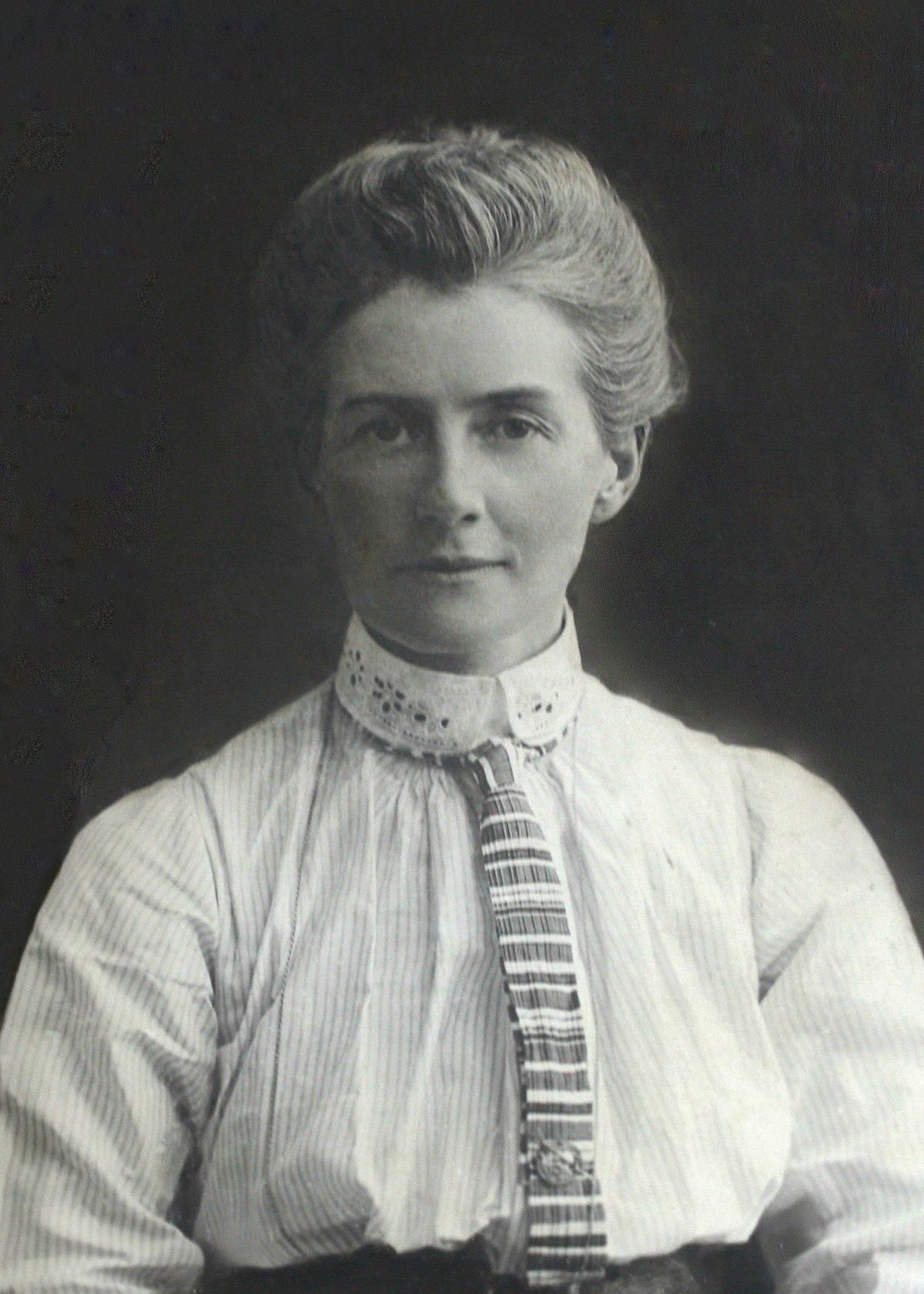
Edith Cavell is a name that has become synonymous with courage, compassion, and sacrifice. As an English nurse during World War I, she played a crucial role in saving the lives of hundreds of soldiers, regardless of their nationality. Her actions, which ultimately led to her execution by the German authorities, made her a symbol of heroic resistance and humanitarianism. This article explores the life, career, and enduring legacy of Edith Cavell, providing a detailed insight into her remarkable journey.
Early Life and Background
Edith Louisa Cavell was born on December 4, 1865, in Swardeston, a small village near Norwich in England. She was the eldest of four children born to Reverend Frederick Cavell, the local vicar, and his wife, Louisa Sophia. The family lived modestly, and Edith’s upbringing was deeply influenced by her father’s strong Christian values and commitment to helping others.
From a young age, Edith exhibited a strong sense of duty and compassion. She was educated at home by her father until the age of 15, when she attended several boarding schools, including the Norwich High School for Girls. Edith was an accomplished student with a particular talent for languages, which would later play a significant role in her career.
Early Career and the Call to Nursing
In her early twenties, Edith worked as a governess in various households, both in England and abroad. In 1890, she took a position with a family in Brussels, Belgium, where she spent five years. This experience not only improved her fluency in French but also exposed her to different cultures and ways of life.
Edith’s decision to pursue a career in nursing was sparked during a visit to an Austrian hospital while on holiday. The experience left a profound impression on her, and she returned to England in 1895 to care for her ailing father. This period marked a turning point in her life, as she realized her true calling was in the field of nursing.
In 1896, Edith enrolled at the London Hospital in Whitechapel for nurse training under the direction of Eva Luckes, one of the most influential nurse trainers of the time. Edith quickly distinguished herself with her dedication, skill, and empathy. Her first major assignment came in Maidstone, where she helped manage an outbreak of typhoid fever. Her exceptional work earned her a medal for her efforts, as she and her team successfully treated nearly 2,000 patients, with a relatively low mortality rate.
Establishing a Nursing School in Belgium
After several years of building her reputation in England, Edith was invited by Dr. Antoine Depage, a leading Belgian surgeon, to return to Brussels in 1907. Depage was determined to modernize nursing practices in Belgium, which at the time were primarily carried out by nuns with limited medical training. Recognizing Edith’s experience and leadership qualities, Depage appointed her as the matron of the newly established École Belge d’Infirmières Diplomées (Belgian School for Trained Nurses).
Under Edith’s leadership, the school quickly became a center of excellence in nursing education. She introduced rigorous training standards and emphasized the importance of hygiene, patient care, and medical knowledge. By 1912, the school was training nurses for 13 day nurseries, 24 schools, and three hospitals across Belgium. Edith’s work gained widespread recognition, and even the Belgian royal family sought her nurses’ services. In 1913, Queen Elisabeth of Bavaria turned to Cavell’s school after breaking her arm.
The Outbreak of World War I
When World War I broke out in 1914, Edith Cavell’s sense of duty drove her to remain in Belgium, despite the escalating danger. She believed her skills were needed more than ever as the war began to engulf Europe. The German army quickly invaded Belgium, and Brussels fell under German occupation. Despite the occupation, Edith remained at her post, converting her nursing school into a Red Cross hospital that treated soldiers from all sides, including wounded German soldiers.
However, as the war progressed, Edith became involved in an underground network that helped Allied soldiers trapped behind enemy lines escape to neutral Holland. Working with local resistance members, she provided these soldiers with shelter, medical care, and false identification papers. Over the course of a year, it is estimated that Edith helped over 200 British, French, and Belgian soldiers escape from occupied Belgium.
Arrest and Execution
In the summer of 1915, the German authorities became suspicious of Edith’s activities. On August 3, 1915, she was arrested by the German military police. Despite extensive searches, the Germans found no incriminating evidence in her hospital. However, Edith was tricked into confessing her involvement in the escape network. She believed in telling the truth and did not deny the charges against her, fully aware of the potential consequences.
Edith was held in solitary confinement for several weeks, during which time she was denied legal representation. The German authorities were determined to make an example of her, and despite international pleas for clemency, she was tried by a military court. On October 7, 1915, Edith was sentenced to death for aiding the enemy.
The execution was carried out on October 12, 1915, at 2:00 AM in the courtyard of the Tir National (a military rifle range) in Schaerbeek, Brussels. Edith faced the firing squad with remarkable composure, reportedly forgiving her executioners before her death. Her final words were a testament to her deep Christian faith and her belief in forgiveness: “I realize that patriotism is not enough. I must have no hatred or bitterness towards anyone.”
The Aftermath and Legacy
Edith Cavell’s execution sent shockwaves around the world. Her death was widely condemned, particularly in Britain and the United States, where it was used as a powerful propaganda tool to galvanize public opinion against Germany. Edith became a martyr and a symbol of selfless sacrifice, with her story inspiring countless people during the dark days of the war.
In 1919, her body was exhumed and brought back to England, where she was given a state funeral at Westminster Abbey. She was then buried near the east end of Norwich Cathedral, close to her childhood home. In 1920, a statue was erected in her honor in St. Martin’s Place, near Trafalgar Square in London. The statue bears the inscription of her famous final words, a poignant reminder of her humanity and her commitment to helping others, even in the face of death.
Edith Cavell’s legacy continues to be celebrated around the world. Her life and actions have been commemorated in numerous ways, including hospitals, schools, and even mountain peaks named in her honor. The Cavell Nurses’ Trust, established in the UK, continues to support nurses, midwives, and healthcare assistants in need, ensuring that Edith’s spirit of care and compassion lives on.
Historical Context and Significance
Edith Cavell’s story is not just one of personal bravery; it also reflects the complex moral and ethical dilemmas faced by individuals during times of war. Her decision to help soldiers of all nationalities was driven by her unwavering commitment to her duties as a nurse and her belief in the sanctity of human life. In an era when nationalism and patriotism often dictated behavior, Edith’s actions stood out as a powerful statement of universal humanity.
Her execution highlighted the brutal realities of war and the lengths to which occupying forces would go to maintain control. The German decision to execute Edith was likely intended as a deterrent, but it backfired spectacularly, leading to widespread outrage and strengthening Allied resolve.
Edith Cavell in Popular Culture
Over the years, Edith Cavell’s life has been depicted in various forms of media, including films, books, and plays. Her story continues to resonate, serving as a reminder of the courage and compassion that can emerge even in the darkest of times. The enduring fascination with her life is a testament to the profound impact she had on those who knew her and on the world at large.
Conclusion
Edith Cavell remains one of the most inspiring figures of the 20th century. Her life, characterized by a deep commitment to helping others and a fearless dedication to her principles, has left an indelible mark on history. As we reflect on her legacy, we are reminded of the importance of compassion, courage, and the belief that, even in times of conflict, humanity can prevail.
Edith’s story continues to inspire new generations, teaching us that the true measure of a person is not in their words but in their actions. Her legacy is a powerful reminder that even in the face of overwhelming adversity, one person can make a difference.


