
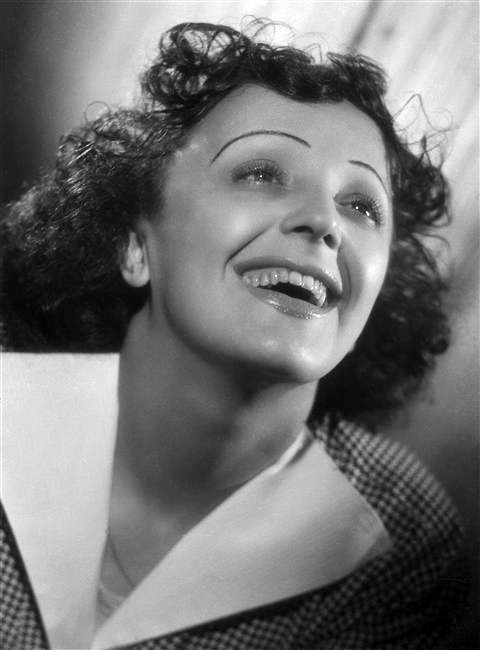
Édith Piaf, often referred to as “La Môme Piaf,” meaning “The Little Sparrow,” is one of France’s most iconic and revered singers. Her voice, filled with emotion and soul, captured the hearts of millions and left an indelible mark on the world of music. Born Édith Giovanna Gassion on December 19, 1915, in Paris, her life was a tumultuous journey marked by poverty, fame, love, and loss. This article explores the life, career, and legacy of Édith Piaf, offering a deep dive into the factors that shaped her into the legend she became.
Early Life: From Poverty to the Streets of Paris
Édith Piaf’s early life was anything but easy. She was born into poverty in the working-class neighborhood of Belleville, Paris. Her mother, Line Marsa, was an Italian-born singer with Livornese roots, and her father, Louis Gassion, was a street performer and acrobat. Piaf’s birth is surrounded by a tale that has become part of her legend—according to some accounts, she was born on the streets, aided by a police officer.
Piaf’s childhood was marked by hardship. Her mother abandoned her shortly after her birth, leaving her in the care of her paternal grandmother, who ran a brothel in Normandy. It was in this unconventional environment that Piaf spent much of her early years. The women who worked at the brothel cared for her, and it was during this time that she first discovered her love for singing.
At the age of 14, Piaf reunited with her father and began performing with him on the streets of Paris. She quickly became a sensation, captivating audiences with her powerful voice and emotional delivery. Her early experiences singing on the streets would later influence the raw, emotional style that became her trademark.
Rise to Fame: The Birth of “La Môme Piaf”
Piaf’s life took a dramatic turn in 1935 when she was discovered by nightclub owner Louis Leplée. Impressed by her talent, Leplée offered her a job singing at his club, “Le Gerny’s.” It was Leplée who gave her the stage name “La Môme Piaf,” meaning “The Little Sparrow,” a nod to her small stature and her powerful voice. Piaf’s performances at Le Gerny’s quickly gained attention, and she became a sensation in Paris.
Tragically, Leplée was murdered in 1936, and Piaf was initially implicated in the crime. However, she was later cleared of any involvement, and the incident only added to her growing mystique. Despite this setback, Piaf’s career continued to soar. She signed a recording contract and began to release songs that would become classics, such as “La Vie en rose,” which would later become synonymous with her name.
By 1937, Piaf had secured a contract with the prestigious Théâtre de l’ABC in Paris, marking the beginning of her ascent to stardom. Her performances were characterized by an emotional intensity that resonated deeply with audiences. She had a unique ability to convey deep feelings of love, loss, and longing, making her songs not just music, but experiences.
The War Years: A Voice of Hope
During World War II, Piaf’s music became a source of hope and comfort for many. She continued to perform in Paris throughout the German occupation, and there are stories—though their veracity is debated—that she used her influence to help prisoners of war escape the Nazis. Piaf’s involvement in the French Resistance has become part of her legend, though details remain murky.
One of the most significant relationships of Piaf’s life began during this period. She met Jean Cocteau, a playwright, poet, and filmmaker, who became one of her close friends and collaborators. Cocteau wrote the play “La Belle Indifférente” specifically for Piaf, further cementing her status as a cultural icon.
In the post-war years, Piaf’s fame grew even more. She became an international star, performing across Europe and the United States. However, her success was often accompanied by personal tragedy. In 1949, her lover, the French boxer Marcel Cerdan, died in a plane crash while traveling to meet her in New York. Piaf was devastated, and her grief found its way into her music, making her performances during this time even more poignant.
The Golden Years: International Acclaim and Personal Struggles
The 1950s were a period of both triumph and turmoil for Piaf. She continued to release hit songs, including “Milord,” “Non, Je Ne Regrette Rien,” and “Les Amants d’un Jour.” These songs became anthems of French chanson, showcasing Piaf’s ability to convey complex emotions through her powerful voice.
However, Piaf’s personal life was marred by struggles with health and addiction. She suffered from severe arthritis, which led to her becoming addicted to painkillers. Additionally, her intense lifestyle took a toll on her physically and emotionally. Despite these challenges, Piaf remained a consummate performer, pouring her heart and soul into every song she sang.
Piaf’s influence extended beyond music. She became a mentor to several young artists who would go on to become stars in their own right. Among them were Yves Montand, Charles Aznavour, and Georges Moustaki. Piaf’s guidance and encouragement helped shape their careers, and they all credited her with playing a pivotal role in their success.
Love and Loss: The Men in Édith Piaf’s Life
Édith Piaf’s life was marked by a series of intense and often tragic love affairs. Her relationships were passionate but often fraught with difficulties, reflecting the emotional intensity that characterized both her personal life and her music.
One of the most significant relationships in Piaf’s life was with the French boxer Marcel Cerdan. Their love affair began in 1948, and it was one of the happiest periods of Piaf’s life. However, it was tragically cut short when Cerdan died in a plane crash in 1949. Piaf was devastated by his death, and her grief was immortalized in the song “Hymne à l’amour,” which she dedicated to him.
Piaf married twice in her lifetime. Her first marriage was to singer Jacques Pills in 1952, but the marriage ended in divorce in 1956. Despite the end of their marriage, Pills remained a close friend and confidant. Piaf’s second marriage was to Greek singer Théo Sarapo, who was 20 years her junior. They married in 1962, just one year before Piaf’s death. Sarapo was devoted to Piaf, and he stood by her side during her final, difficult years.
Piaf’s relationships were often tumultuous, but they provided her with the inspiration for many of her most famous songs. Her ability to channel her personal experiences of love and loss into her music is one of the reasons her songs resonate so deeply with listeners.
Legacy: The Enduring Influence of Édith Piaf
Édith Piaf’s influence on music and culture is undeniable. Her voice, often described as both powerful and fragile, has left an indelible mark on the world of music. She is considered the epitome of the French chanson, and her songs have become timeless classics, known and loved by people around the world.
Piaf’s music was characterized by its emotional depth and raw honesty. She sang about love, loss, and the human condition in a way that was both deeply personal and universally relatable. Her ability to connect with audiences on such an intimate level is one of the reasons her music continues to be celebrated.
Beyond her music, Piaf’s life story has become the stuff of legend. Her rise from poverty to international stardom, her passionate love affairs, and her tragic personal struggles have all contributed to the enduring fascination with her life. Piaf’s life has been the subject of numerous biographies, films, and documentaries, including the acclaimed 2007 film “La Vie en Rose,” which earned Marion Cotillard an Academy Award for her portrayal of Piaf.
Piaf’s influence extends to the artists she mentored and inspired. Yves Montand, Charles Aznavour, and Georges Moustaki all credited Piaf with helping to shape their careers. Her willingness to share her knowledge and experience with younger artists is a testament to her generosity and her deep love for music.
In the decades since her death, Piaf’s music has continued to captivate new generations of listeners. Her songs have been covered by countless artists, and her influence can be heard in a wide range of musical genres. Piaf’s ability to convey deep emotion through her music has made her a timeless figure, and her songs continue to resonate with people around the world.
Final Years and Death
Édith Piaf’s final years were marked by declining health and increasing frailty. Despite her physical ailments, she continued to perform, driven by her passion for music and her need to connect with her audience. However, her health problems, compounded by her addiction to painkillers, began to take a toll.
On October 10, 1963, Édith Piaf passed away at the age of 47. Her death marked the end of an era, but her legacy lives on through her music. Piaf was buried in the Père Lachaise Cemetery in Paris, a fitting resting place for one of France’s most beloved cultural icons.
Piaf’s death was mourned by millions, and her funeral was attended by thousands of fans who lined the streets of Paris to pay their respects. Her music continues to be celebrated around the world, and her life story serves as a reminder of the power of the human spirit to overcome adversity.
Conclusion: The Enduring Legacy of Édith Piaf
Édith Piaf’s life was a testament to the power of music to transcend hardship and touch the hearts of people around the world. From her humble beginnings on the streets of Paris to her rise as an international star, Piaf’s journey was one of passion, resilience, and unwavering dedication to her art.
Her music, filled with emotion and raw honesty, continues to resonate with listeners today, decades after her death. Piaf’s ability to convey deep feelings through her voice made her one of the most beloved singers of all time, and her influence can still be felt in the world of music.
As we look back on the life of Édith Piaf, it is clear that her legacy will continue to inspire and captivate audiences for generations to come. She remains a symbol of the enduring power of music and the resilience of the human spirit.


