
Introduction
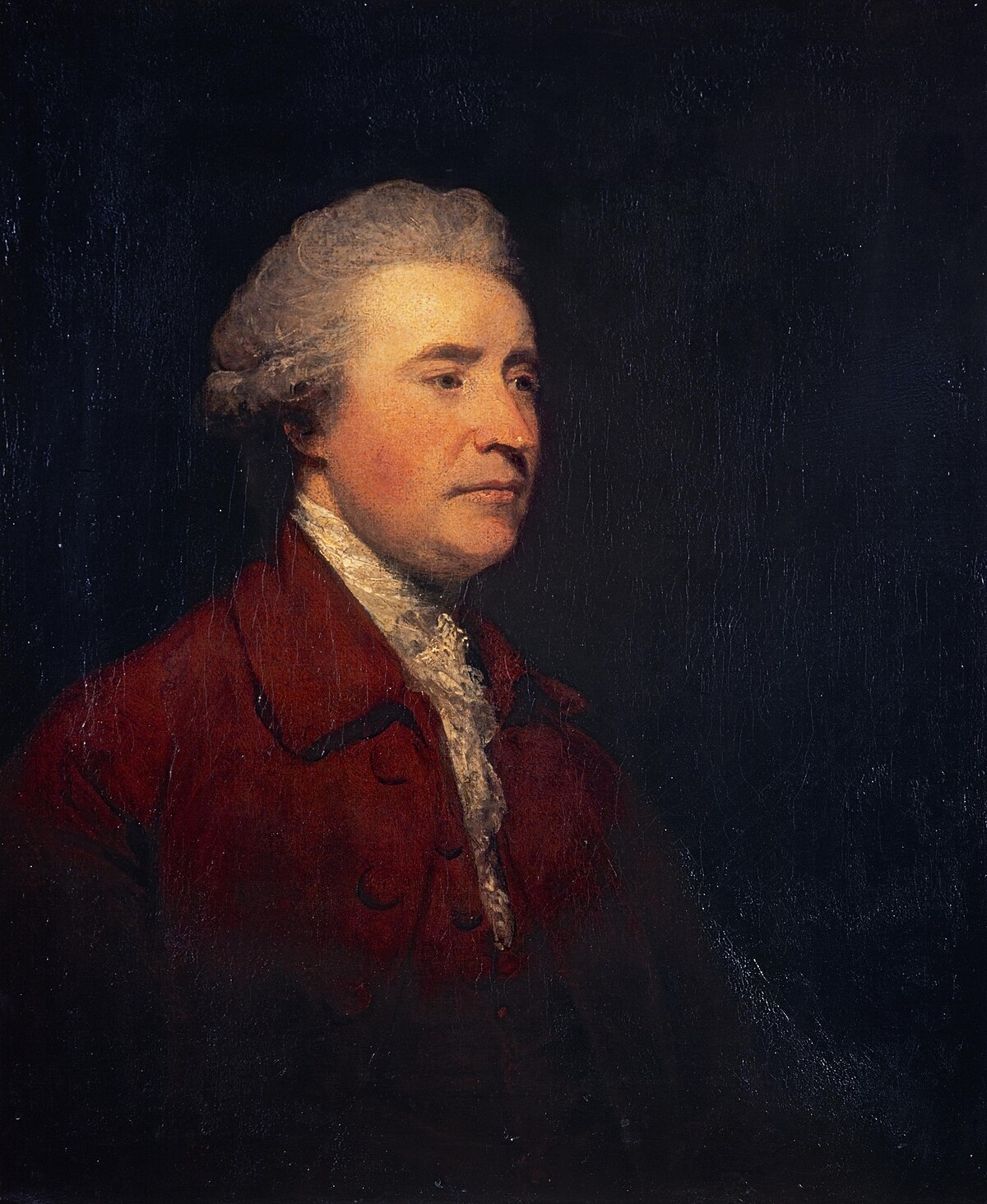
Edmund Burke, born on January 12, 1729, in Dublin, Ireland, is one of the most influential figures in the history of political thought and statesmanship. Often referred to as the “father of modern conservatism,” Burke’s ideas have left a lasting imprint on political philosophy, especially in the Anglo-American tradition. His life was marked by significant contributions to political theory, eloquent speeches, and a profound skepticism of radical change. This article delves into the life of Edmund Burke, exploring his age, fame, and key life highlights that have shaped the course of history.
Early Life and Background
Edmund Burke was born into a family that represented the religious divide in Ireland at the time. His father was a Protestant, while his mother was Catholic, a fact that significantly influenced his upbringing and worldview. Despite the religious differences, Burke received an Anglican education, primarily to prepare him for a public career. This religious duality in his early life would later inform his perspectives on tolerance and social harmony.
Burke’s education began at Trinity College, Dublin, where he studied liberal arts from 1743 to 1748. During his time at Trinity, Burke was profoundly influenced by classical authors, particularly Cicero and Aristotle, whose ideas on rhetoric, politics, and ethics would shape his intellectual development. After completing his studies in Dublin, Burke moved to London in 1750 to study law at the Middle Temple. However, he soon grew disillusioned with the materialistic and mechanistic nature of legal studies, choosing instead to pursue a literary and philosophical career.
The Path to Intellectual and Political Prominence
In 1756, Burke published his first major work, “A Vindication of Natural Society,” a satirical pamphlet that critiqued the radical philosophies of his time. This work was followed by “A Philosophical Inquiry into the Origin of Our Ideas of the Sublime and Beautiful” in 1757, which explored the psychological foundations of aesthetics. These early writings established Burke as a significant intellectual figure, and he soon became involved in the literary and political circles of London.
Burke’s marriage to Jane Nugent in 1757 and the birth of their son Richard in 1758 marked the beginning of a stable personal life that would support his burgeoning public career. During this period, Burke also took on the role of editor for the “Annual Register,” a publication that provided a comprehensive review of political, historical, and literary developments in Britain and Europe. His work on the “Annual Register” deepened his understanding of international affairs and honed his skills in political analysis.
Entry into Politics: The House of Commons
Burke’s entry into politics came through his association with prominent Whig leaders, particularly Charles Watson-Wentworth, the second Marquess of Rockingham. When Rockingham became Prime Minister in 1765, Burke was appointed his private secretary, a position that provided him with an insider’s view of British politics and access to the highest levels of government. That same year, Burke was elected to the House of Commons as the Member of Parliament (MP) for Wendover, marking the beginning of a parliamentary career that would span nearly three decades.
As an MP, Burke quickly established himself as a leading intellectual force within the Whig Party, particularly among the Rockingham Whigs. He became known for his eloquent speeches and his ability to articulate complex political ideas with clarity and passion. One of his early significant contributions was his opposition to the government’s treatment of the American colonies. In his famous speech on “Conciliation with the Colonies” (1775), Burke argued for a policy of reconciliation rather than coercion, emphasizing the importance of understanding and respecting the rights of the colonists.
Burke’s Political Philosophy: Conservatism and Reform
Edmund Burke is best known for his role in shaping modern conservatism, a political philosophy that values tradition, social order, and cautious, incremental change over radical reform. His most famous work, “Reflections on the Revolution in France” (1790), epitomizes this philosophy. In this book, Burke argued against the French Revolution, which he saw as a dangerous and reckless attempt to remake society according to abstract principles, without regard for the complexities of human nature and the accumulated wisdom of tradition.
Burke’s “Reflections” was a response to the radical enthusiasm that the French Revolution had sparked in Britain and other parts of Europe. He viewed the revolution not as a movement towards greater freedom and democracy, but as a violent revolt against legitimate authority and social order. Burke warned that the revolution would lead to chaos, tyranny, and the destruction of civilization, a prediction that many of his contemporaries dismissed at the time but which later events would largely vindicate.
While Burke is often associated with conservatism, it is important to note that his political philosophy was not opposed to all change. Burke supported the American colonies in their struggle for independence, believing that their grievances against British rule were legitimate and that the British government had overstepped its authority. He also advocated for the reform of British colonial policies in India, where he condemned the abuses of the British East India Company and called for greater accountability and justice.
The French Revolution and the Split in the Whig Party
Burke’s vehement opposition to the French Revolution led to a significant split within the Whig Party. Many of his former allies, including Charles James Fox, who had admired Burke for his earlier support of liberty and reform, were shocked by his harsh critique of the revolution. Fox and other Whigs supported the revolution as a movement towards democracy and human rights, while Burke saw it as a threat to the very foundations of society.
The publication of “Reflections on the Revolution in France” marked the beginning of a rift between Burke and the more radical elements of the Whig Party. In 1791, Burke published “Appeal from the New to the Old Whigs,” in which he reiterated his opposition to the French Revolution and criticized those within his party who supported it. This work further alienated him from many of his former allies and led to a formal split in the Whig Party, with Burke and his followers aligning themselves with the conservative government of William Pitt the Younger.
Legacy and Final Years
Despite the controversies that surrounded his later years, Edmund Burke’s legacy as a political thinker and statesman remains significant. His writings on the French Revolution, in particular, have had a lasting impact on political thought, influencing not only conservatives but also thinkers across the political spectrum who share his concerns about the dangers of radical change.
In the final years of his life, Burke faced personal tragedy with the death of his only son, Richard, in 1794. This loss deeply affected him and contributed to his decision to retire from public life. Burke declined the offer of a peerage, which would have made him Lord Beaconsfield, but he accepted a pension from the Crown in recognition of his services to the country.
Edmund Burke passed away on July 9, 1797, at his home in Beaconsfield, England. He was 68 years old. His death marked the end of a career that had seen him rise from a relatively obscure Irish lawyer to one of the most respected and influential figures in British politics and intellectual life.
Historical Context and Impact
Edmund Burke’s life and work must be understood within the broader historical context of the 18th century, a period of significant social, political, and intellectual change. The Enlightenment, with its emphasis on reason, science, and individual rights, was reshaping the intellectual landscape of Europe. At the same time, the American and French Revolutions were challenging traditional forms of authority and governance, leading to debates about the nature of power, liberty, and justice.
Burke’s political philosophy can be seen as a response to these developments. While he shared the Enlightenment’s commitment to reason and the rule of law, he was deeply skeptical of the radicalism that often accompanied calls for reform. Burke believed that society was a complex and organic entity, shaped by history, tradition, and experience, and that any attempt to remake it according to abstract principles was likely to end in disaster.
This belief in the importance of tradition and gradual change has made Burke a central figure in the development of modern conservatism. His ideas have been invoked by conservatives in Britain, the United States, and beyond, who see in his writings a defense of the values of order, stability, and continuity. At the same time, Burke’s critique of unchecked power and his support for the rights of the individual have also resonated with liberals and progressives, demonstrating the enduring relevance of his thought.
Conclusion
Edmund Burke’s life is a testament to the power of ideas in shaping political and social realities. His contributions to political thought, particularly his reflections on the French Revolution and his defense of constitutional government, have left an indelible mark on the history of political philosophy. Burke’s legacy continues to influence debates about the nature of society, the role of government, and the dangers of radical change.
As we reflect on Burke’s life and work, it is clear that his insights into the complexities of human nature and society remain as relevant today as they were in the 18th century. Whether as a critic of the French Revolution, an advocate for the American colonies, or a defender of the British constitution, Edmund Burke’s thought offers valuable lessons for anyone concerned with the challenges of governance and the preservation of social order.


