
Introduction
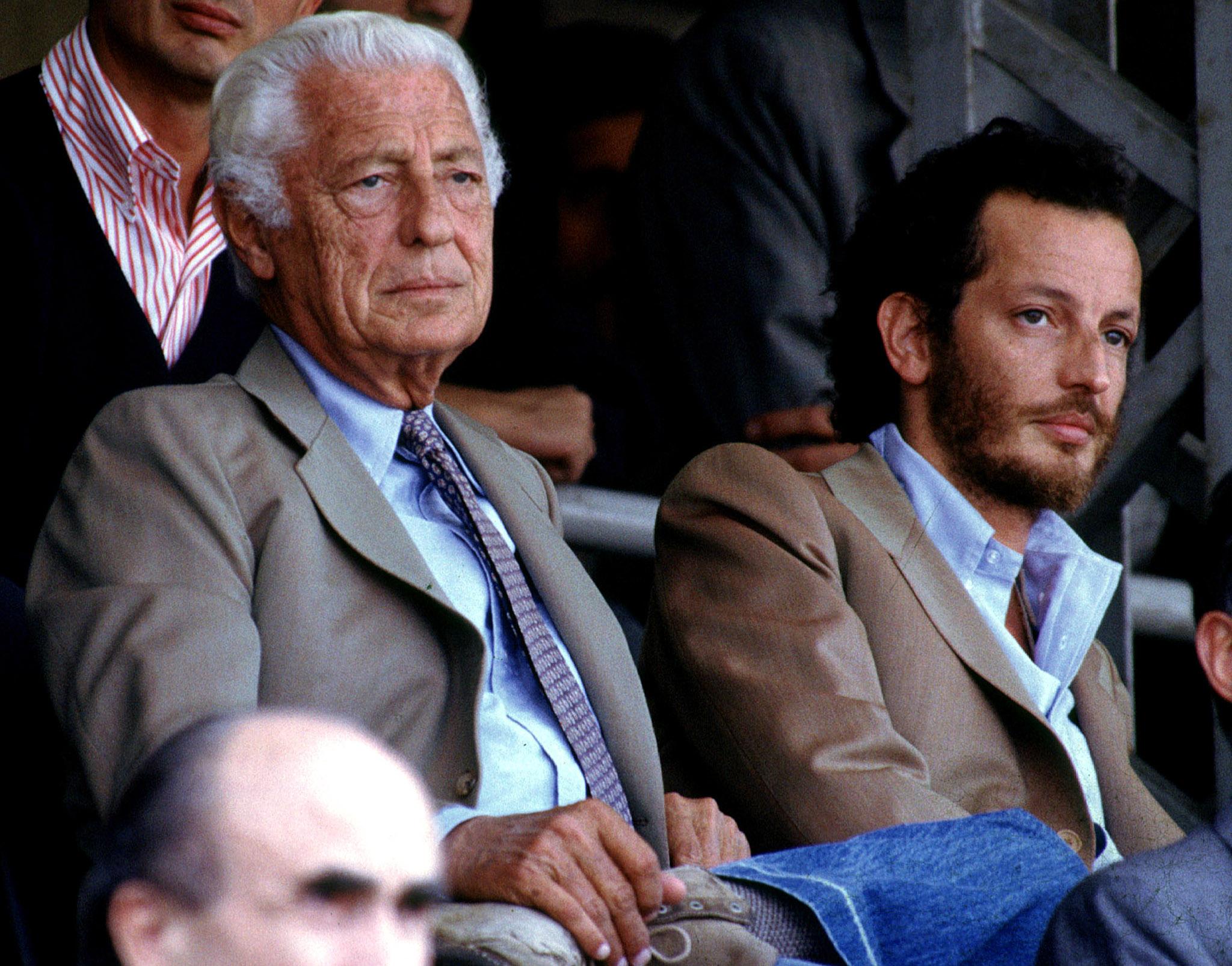
Edoardo Agnelli, born on June 9, 1954, in New York, was the heir to one of Italy’s most influential industrial families. As the son of Gianni Agnelli, the legendary head of Fiat, Edoardo was expected to continue the family legacy. However, his life took a different path, marked by a deep interest in philosophy, spirituality, and personal struggles. This article explores his age, rise to fame, and the significant highlights of his life, providing a comprehensive understanding of a complex and often misunderstood figure.
Early Life and Education
Family Background
Edoardo Agnelli was born into an iconic family synonymous with Italian industry and elegance. His father, Gianni Agnelli, was the driving force behind Fiat, Italy’s automotive giant, while his mother, Marella Caracciolo di Castagneto, came from Italian nobility. Edoardo was the eldest of their two children, with a younger sister, Margherita.
Education
Edoardo received his early education at the prestigious Liceo Classico Massimo d’Azeglio in Turin. He continued his studies abroad, attending the Atlantic College in the United Kingdom and later Princeton University in the United States, where he graduated with a degree in Modern Literature. This diverse educational background reflected his broad interests and intellectual curiosity.
Personal Interests and Philosophical Pursuits
Divergence from Family Expectations
Unlike his father, who was deeply entrenched in the world of business, Edoardo showed little interest in material wealth and corporate success. Instead, he was drawn to philosophical and spiritual inquiries. His early divergence from the family business became evident as he pursued studies and activities far removed from the industrial realm.
Spiritual and Philosophical Explorations
Edoardo’s quest for spiritual understanding led him to various parts of the world. He was particularly influenced by Eastern philosophies and religions. His travels to India brought him into contact with spiritual leader Sathya Sai Baba, and he developed a profound interest in Islamic mysticism, especially Shiite Islam, after visiting Iran and meeting Ayatollah Khomeini. These experiences deeply shaped his worldview and personal philosophy.
Public and Private Life
Legal Issues and Media Attention
In 1990, Edoardo Agnelli made headlines when he was arrested in Malindi, Kenya, for possession of heroin. Although he was later acquitted, the incident brought significant media attention and highlighted his troubled relationship with societal expectations and his family’s legacy.
Attempts at Integration into Family Business
Despite his father’s efforts to integrate him into the family business, Edoardo remained detached from the corporate world. Gianni Agnelli tried to involve his son in various capacities, including a brief stint on the board of Juventus, the family’s football club. However, Edoardo’s true interests lay elsewhere, and these attempts did not yield lasting involvement.
Tragic End and Legacy
Death and Controversy
On November 15, 2000, Edoardo Agnelli was found dead beneath a viaduct on the Turin-Savona motorway. His car, a Fiat Croma, was found parked with the engine running. The official investigation concluded that his death was a suicide, but this conclusion has been the subject of much speculation and controversy, with some suggesting alternative theories.
Burial and Legacy
Edoardo Agnelli was buried in the family mausoleum at Villar Perosa. His death marked a tragic end to a life characterized by deep intellectual and spiritual pursuits, as well as profound personal struggles. His nephew, Lapo Elkann, described him as a person who suffered greatly and struggled to find happiness.
Historical Context and Influence
The Agnelli Dynasty
To fully understand Edoardo Agnelli’s life, it is essential to consider the broader context of the Agnelli family and their influence on Italian industry and society. Founded by Giovanni Agnelli in 1899, Fiat became a symbol of Italy’s post-war economic miracle. Gianni Agnelli, Edoardo’s father, transformed Fiat into a global automotive powerhouse and was a towering figure in Italian business and politics.
Post-War Italy and Industrialization
Edoardo grew up during a time of significant change in Italy. The post-war period saw rapid industrialization and economic growth, with Fiat playing a central role. However, this period also brought social and political upheaval, including labor strikes and student protests, which influenced Edoardo’s worldview and his skepticism towards capitalism.
Personal Reflections and Public Perception
Intellectual and Spiritual Depth
Edoardo Agnelli’s life was marked by a search for deeper meaning beyond the material success that defined his family’s legacy. His intellectual pursuits and spiritual explorations set him apart from his contemporaries, highlighting a unique path that defied conventional expectations.
Public and Media Perception
The media often portrayed Edoardo as a tragic figure, overshadowed by his father’s immense legacy and his own personal demons. However, those who knew him personally described him as a deeply thoughtful and compassionate individual, struggling to reconcile his ideals with the world around him.
Influence on Family and Future Generations
Impact on Family Dynamics
Edoardo’s life and untimely death had a profound impact on the Agnelli family. His struggles and the media attention surrounding his life brought to light the pressures and challenges of growing up in such a prominent family. His story served as a cautionary tale about the complexities of legacy and personal identity.
Legacy in the Context of the Agnelli Family
Despite his divergence from the family business, Edoardo’s legacy continues to influence the Agnelli family. His nephew, John Elkann, who now leads the family’s business interests, including Fiat, often reflects on the lessons learned from Edoardo’s life. This legacy underscores the importance of balancing personal passions with professional responsibilities.
Conclusion
Edoardo Agnelli’s life was a journey of intellectual and spiritual exploration, marked by personal challenges and a search for meaning beyond material success. His story offers a nuanced perspective on the complexities of legacy, personal identity, and the pursuit of deeper truths. While his life was cut tragically short, the impact of his journey continues to resonate within the Agnelli family and beyond, offering valuable insights into the human condition and the quest for purpose.


