
Introduction
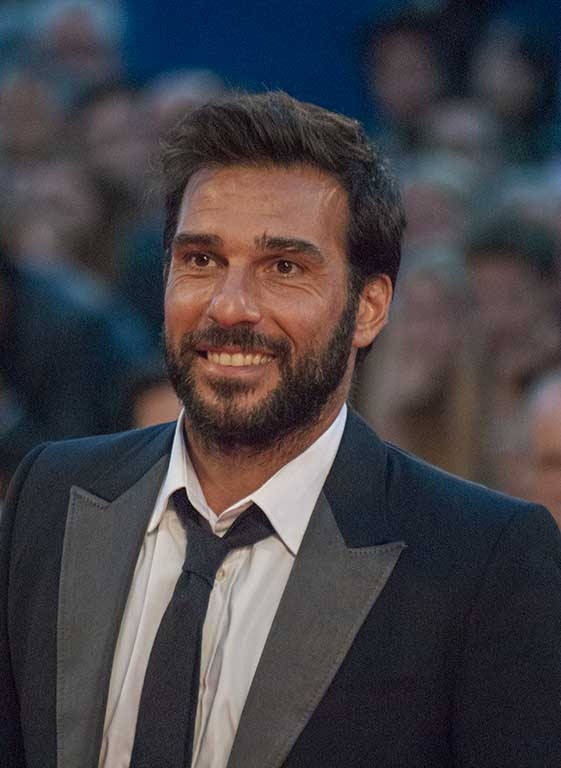
Edoardo Leo is an accomplished Italian actor, director, and screenwriter whose career has spanned over two decades. Born on April 21, 1972, in Rome, Leo has become a prominent figure in Italian cinema and television. His work is marked by a diverse range of roles, from comedic performances to more serious, dramatic characters, as well as his work behind the camera as a director. This article delves into the life of Edoardo Leo, exploring his early life, rise to fame, and the significant milestones that have defined his career.
Early Life and Beginnings in Acting
Edoardo Leo was born and raised in Rome, a city known for its rich cultural heritage and vibrant arts scene. From a young age, Leo was drawn to the world of performance, showing an early interest in acting. His passion for the craft led him to pursue formal education in the arts, and he graduated from the prestigious University of Rome La Sapienza with a degree in Literature and Philosophy. This academic background provided Leo with a deep understanding of storytelling and narrative, which would later inform his work as a screenwriter and director.
Leo made his television debut in 1995 with the film “La luna rubata,” directed by Gianfranco Albano. This early role marked the beginning of his career in the Italian entertainment industry. The following year, he appeared in the popular television series “I ragazzi del muretto 3,” where he played the character of Angelo Lari. These early roles helped Leo establish himself as a promising young actor in the Italian television landscape.
In 1997, Leo made his big-screen debut in the film “La classe non è acqua,” directed by Cecilia Calvi. His performance in this film caught the attention of both audiences and critics, leading to further opportunities in cinema. Around the same time, he appeared in the television series “L’avvocato Porta,” directed by Franco Giraldi, further solidifying his presence in the industry.
Rising Fame in the Late 1990s and Early 2000s
As Edoardo Leo’s career began to gain momentum, he found himself working alongside some of Italy’s most respected actors and directors. In 1998, he starred in the television series “Il maresciallo Rocca,” where he had the opportunity to work with the legendary actor Gigi Proietti. This role was a significant step forward for Leo, as it allowed him to showcase his talent to a broader audience.
The late 1990s and early 2000s were a period of rapid growth for Leo’s career. He continued to land roles in both film and television, demonstrating his versatility as an actor. In 1999, he worked with director Claudio Fragasso on the television miniseries “Operazione Odissea” and appeared in the film “La vita per un’altra volta,” directed by Domenico Astuti. These projects further established Leo as a reliable and talented actor in the Italian entertainment industry.
During this time, Leo also co-founded the “Calciattori Team,” a charity football team composed of actors, including Marco Bonini. The team played matches to raise funds for various charitable causes, reflecting Leo’s commitment to using his public profile for positive social impact.
Transition to Film Directing and Writing
Edoardo Leo’s talents were not limited to acting. In 2009, he made his directorial debut with the film “Diciotto anni dopo” (“Eighteen Years Later”). The film, which Leo also wrote and starred in, was a critical success and earned him several nominations, including a double nomination for the prestigious David di Donatello Awards and the Nastri d’Argento Awards as Best New Director. The film’s success marked Leo’s transition from actor to filmmaker, showcasing his ability to tell compelling stories from behind the camera.
Following the success of his directorial debut, Leo’s career continued to flourish. He took on a variety of roles in both film and television, further establishing himself as one of Italy’s most versatile and talented performers. In 2010, he won the Prix du Public at the Annecy Italian Film Festival, further cementing his reputation as a rising star in the Italian film industry.
Edoardo Leo in the 2010s: A Decade of Success
The 2010s were a particularly fruitful decade for Edoardo Leo. He appeared in numerous successful films and television series, many of which became iconic in Italian popular culture. One of the highlights of this period was his role in the 2011 film “Nessuno mi può giudicare” (“Nobody Can Judge Me”), directed by Massimiliano Bruno. The film, a comedy that tackled social issues with humor and wit, was a commercial and critical success. Leo’s performance was widely praised, and the film helped solidify his status as a leading actor in Italian cinema.
In addition to his work in film, Leo continued to be active on television. He appeared in several popular series, including “Don Matteo” and “Romanzo criminale – La serie,” the latter of which was based on the true story of a notorious criminal gang in Rome. These roles allowed Leo to demonstrate his range as an actor, moving seamlessly between comedic and dramatic roles.
Leo’s success continued in 2013 when he directed his second feature film, “Buongiorno papà” (“Good Morning Dad”). The film, a comedy-drama about a man who discovers he has a teenage daughter, was another critical and commercial success. The film’s success further established Leo as a talented filmmaker with a unique voice in Italian cinema.
In 2014, Leo starred in the film “Tutta colpa di Freud” (“Blame Freud”), directed by Paolo Genovese. The film, which explored the complexities of modern relationships, was a box office hit in Italy. Leo’s performance was once again praised by critics, and the film’s success further solidified his reputation as one of Italy’s most talented and versatile actors.
Continued Success and Recognition
Edoardo Leo’s success in the 2010s continued with a series of high-profile projects. In 2015, he directed and starred in the film “Noi e la Giulia” (“Us and the Giulia”), based on the novel “Giulia 1300 e altri miracoli” by Fabio Bartolomei. The film was a critical and commercial success, earning multiple awards, including the David di Donatello for Best Supporting Actor (won by Carlo Buccirosso) and the Nastro d’Argento for Best Comedy. Leo’s work on the film was widely praised, and it further solidified his reputation as a talented filmmaker.
Leo’s success continued in 2016 with his role in the ensemble cast of “Perfetti sconosciuti” (“Perfect Strangers”), directed by Paolo Genovese. The film, which explored the secrets and lies that people keep from their closest friends, was a major box office success and won numerous awards, including the David di Donatello for Best Film. Leo’s performance was praised by critics, and the film became one of the highest-grossing Italian films of all time.
In addition to his work in film, Leo also continued to be active in the theater. He performed in several stage productions, including the play “Ti racconto una storia – letture semiserie e tragicomiche” (“I’ll Tell You a Story – Semi-serious and Tragicomic Readings”), a one-man show in which he performed readings from various works of literature. The show was a critical and commercial success, and it further demonstrated Leo’s versatility as a performer.
Leo’s Impact on Italian Cinema and Beyond
Edoardo Leo’s impact on Italian cinema cannot be overstated. As an actor, director, and screenwriter, he has consistently demonstrated a deep understanding of storytelling and a commitment to creating compelling, relatable characters. His work has resonated with audiences in Italy and beyond, and he has played a significant role in shaping the landscape of contemporary Italian cinema.
Leo’s success has also had a broader impact on the Italian film industry. His ability to move between different genres, from comedy to drama, has helped to elevate the status of Italian cinema on the international stage. His films have been screened at numerous international film festivals, and his work has been recognized with numerous awards and nominations.
In addition to his work in film, Leo has also been an advocate for the arts in Italy. He has used his platform to promote the importance of the arts and to support emerging talent in the Italian film industry. His commitment to the arts is reflected in his work with the “Calciattori Team,” as well as his involvement in various charitable initiatives.
Conclusion
Edoardo Leo is a true renaissance man in the world of Italian cinema. His work as an actor, director, and screenwriter has had a profound impact on the Italian film industry, and his talent and versatility have made him one of the most respected figures in Italian entertainment. From his early beginnings in television to his success as a filmmaker, Leo’s career is a testament to his passion for storytelling and his commitment to creating meaningful, impactful work.
As he continues to push the boundaries of Italian cinema, there is no doubt that Edoardo Leo’s influence will be felt for many years to come. His work has not only entertained audiences but has also helped to shape the future of Italian cinema, ensuring that it remains a vibrant and dynamic art form for generations to come.


