
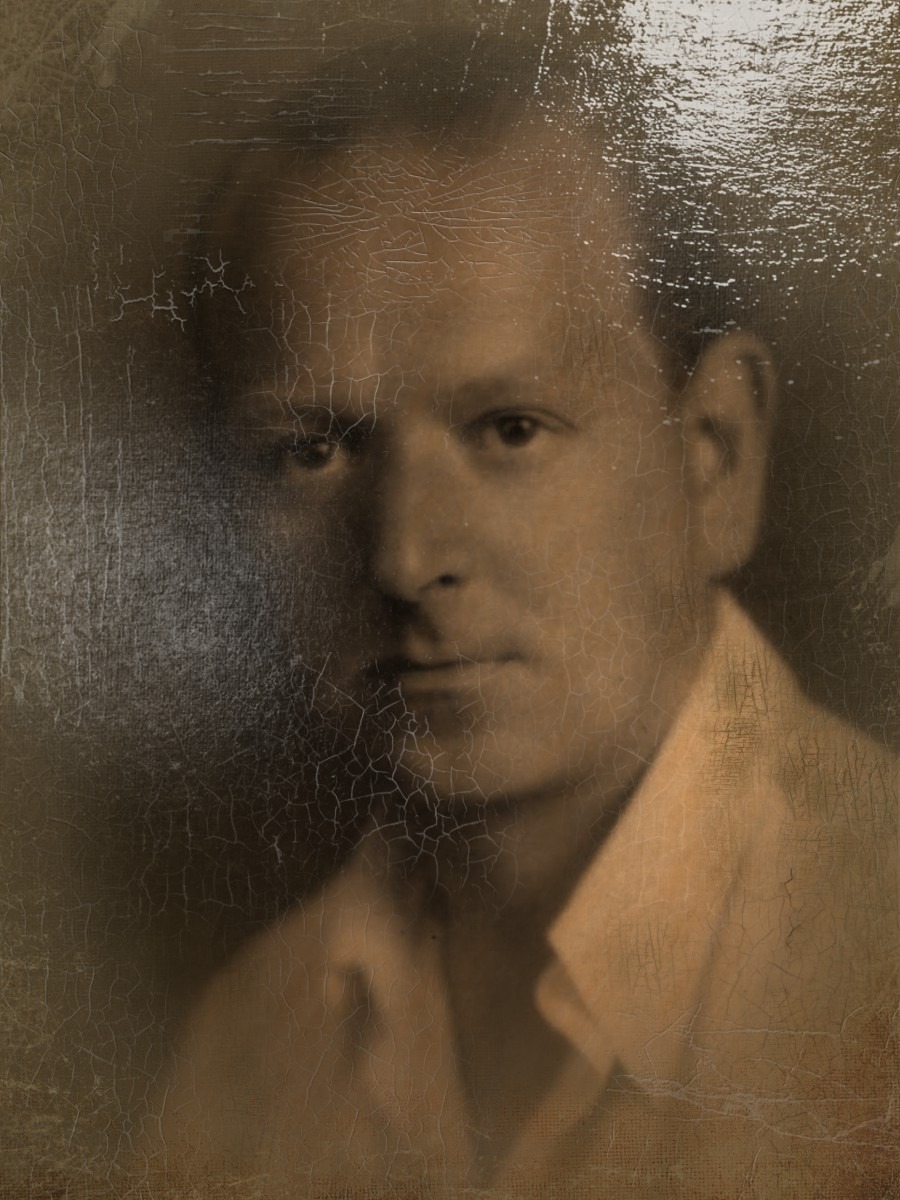
Edward Bach, a name synonymous with natural healing and holistic health, is a figure of enduring influence in the world of alternative medicine. Best known for developing the Bach Flower Remedies, Edward Bach’s work has inspired generations of practitioners and patients seeking gentle, non-invasive treatments for emotional and physical ailments. This article delves into Edward Bach’s age, fame, and life highlights, providing detailed insights and explanations about his remarkable contributions to medicine and natural healing.
Early Life and Education
Edward Bach was born on September 24, 1886, in Moseley, Birmingham, England. From a young age, he demonstrated a keen interest in the natural world, spending much of his childhood exploring the countryside and developing a deep appreciation for plants and nature. This early connection to nature would later play a significant role in his work.
Bach’s formal education began at the University of Birmingham, where he initially studied engineering. However, his passion for medicine soon took precedence, leading him to transfer to University College Hospital in London. He qualified as a doctor in 1912, specializing in bacteriology, immunology, and pathology. His early medical career was marked by a commitment to understanding the root causes of disease and exploring holistic approaches to healing.
Medical Career and Initial Discoveries
After completing his medical studies, Bach worked in various roles, including at the University College Hospital, the National Temperance Hospital, and as a bacteriologist at the London Homeopathic Hospital. His work in these institutions exposed him to a wide range of medical practices and theories, including homeopathy, which would significantly influence his later work.
Bach’s early career was notable for his research into vaccines and the development of nosodes—homeopathic preparations made from diseased tissue. His work in this area was groundbreaking, leading to the development of seven bacterial nosodes known as the Bach Nosodes. These early discoveries highlighted his innovative approach to medicine and his belief in the body’s ability to heal itself through natural means.
The Turning Point: Transition to Flower Remedies
The turning point in Edward Bach’s career came in the late 1920s when he began to question the limitations of conventional medicine. He observed that many treatments addressed the symptoms of disease rather than the underlying emotional and psychological causes. This realization prompted him to leave his successful medical practice in London and embark on a journey to develop a more holistic approach to healing.
Bach’s quest led him to the English countryside, where he immersed himself in the study of plants and their potential healing properties. He believed that the key to true health lay in balancing the mind and emotions, and that certain flowers held the vibrational energy needed to achieve this balance. Over several years, Bach identified 38 flowers that he believed had specific healing properties, leading to the creation of the Bach Flower Remedies.
Development of the Bach Flower Remedies
The development of the Bach Flower Remedies was a meticulous process that combined Bach’s medical knowledge with his intuitive understanding of nature. Each remedy was designed to address a specific emotional state, such as fear, anxiety, sadness, or anger. Bach’s philosophy was that by treating these negative emotions, the body’s natural healing processes would be supported, leading to improved physical health.
The remedies were prepared using a simple method involving the infusion of flowers in water and the preservation of the essence with alcohol. This gentle, non-invasive approach made the remedies accessible to people of all ages and conditions. The simplicity and effectiveness of the Bach Flower Remedies quickly gained popularity, and they became a cornerstone of holistic and alternative medicine.
Fame and Recognition
Edward Bach’s work began to gain recognition in the 1930s, as more people experienced the benefits of his flower remedies. His publications, including “Heal Thyself” and “The Twelve Healers,” outlined his theories and provided guidance on using the remedies. These writings helped spread his ideas and contributed to the growing popularity of natural and holistic approaches to health.
Despite his growing fame, Bach remained a humble and dedicated practitioner. He continued to refine his remedies and expand his understanding of the connection between emotions and physical health. His work attracted a dedicated following of practitioners and patients who shared his belief in the power of nature to heal.
Personal Life and Philosophy
Edward Bach’s personal life was deeply intertwined with his professional pursuits. He lived simply, dedicating his time to his research and the care of his patients. Bach’s philosophy was rooted in a profound respect for nature and a belief in the innate wisdom of the body. He viewed illness as a manifestation of emotional and psychological imbalances and believed that true healing required addressing these underlying issues.
Bach’s approach to medicine was holistic and patient-centered, emphasizing the importance of treating the whole person rather than just the symptoms of disease. His compassionate and empathetic nature endeared him to his patients and colleagues, and his work continues to inspire holistic practitioners around the world.
Challenges and Triumphs
Edward Bach’s journey was not without its challenges. His departure from conventional medicine and his unconventional ideas about healing initially faced skepticism from the medical establishment. However, Bach’s unwavering commitment to his vision and the undeniable success of his remedies eventually earned him respect and recognition.
Bach’s work was also marked by personal challenges, including bouts of illness and financial difficulties. Despite these obstacles, he remained dedicated to his mission, driven by a deep conviction in the healing power of nature and the potential of his flower remedies to improve lives.
Legacy and Impact
Edward Bach’s legacy is profound and far-reaching. The Bach Flower Remedies have become a staple of holistic and alternative medicine, used by practitioners and individuals worldwide. His pioneering work laid the foundation for the field of vibrational medicine, which explores the therapeutic use of natural energies to promote health and well-being.
Bach’s influence extends beyond his remedies. His holistic approach to health, which emphasizes the connection between mind, body, and spirit, has had a lasting impact on modern medicine and wellness practices. His teachings continue to inspire a holistic understanding of health that values emotional and psychological well-being as essential components of overall health.
Historical Context and Nuances
Understanding Edward Bach’s contributions requires a consideration of the broader historical and cultural context of his time. The early 20th century was a period of significant advancements in medical science, but it was also a time when alternative and holistic approaches to health were gaining traction. Bach’s work straddled these two worlds, combining the rigor of scientific research with a deep appreciation for natural healing.
Bach’s emphasis on the emotional and psychological aspects of health was revolutionary in an era when medical treatment often focused solely on physical symptoms. His holistic approach anticipated many of the principles that are now widely accepted in integrative and functional medicine, which seek to treat the whole person and address the root causes of illness.
Modern Influence and Continuing Relevance
Edward Bach’s influence continues to be felt in the modern world of health and wellness. The Bach Flower Remedies remain popular, and new generations of practitioners are trained in their use. The principles underlying Bach’s work have also influenced a wide range of therapeutic modalities, from energy healing to mind-body medicine.
In an age where stress and emotional well-being are increasingly recognized as critical components of health, Bach’s insights into the connection between emotions and physical health are more relevant than ever. His work offers a gentle and natural approach to addressing the emotional root causes of illness, providing valuable tools for promoting holistic health and well-being.
Conclusion
Edward Bach’s life and work are a testament to his visionary approach to health and healing. From his early days as a conventional doctor to his pioneering development of the Bach Flower Remedies, Bach’s journey is marked by significant achievements and an enduring impact on the world of natural medicine. His ability to blend scientific rigor with intuitive understanding has left a lasting legacy that continues to inspire and heal.
As we reflect on Edward Bach’s contributions, it is clear that his work extends far beyond the remedies he created. He championed a holistic view of health that recognizes the importance of emotional and psychological well-being. His legacy is one of compassion, innovation, and a deep respect for the healing power of nature.
Edward Bach’s influence on holistic health and alternative medicine is profound and enduring. His work has provided a foundation for modern approaches to natural healing and has empowered countless individuals to take charge of their health in a gentle and natural way. As we celebrate his life and achievements, we are reminded of the timeless wisdom of his teachings and the enduring relevance of his vision for a holistic approach to health and healing.


