
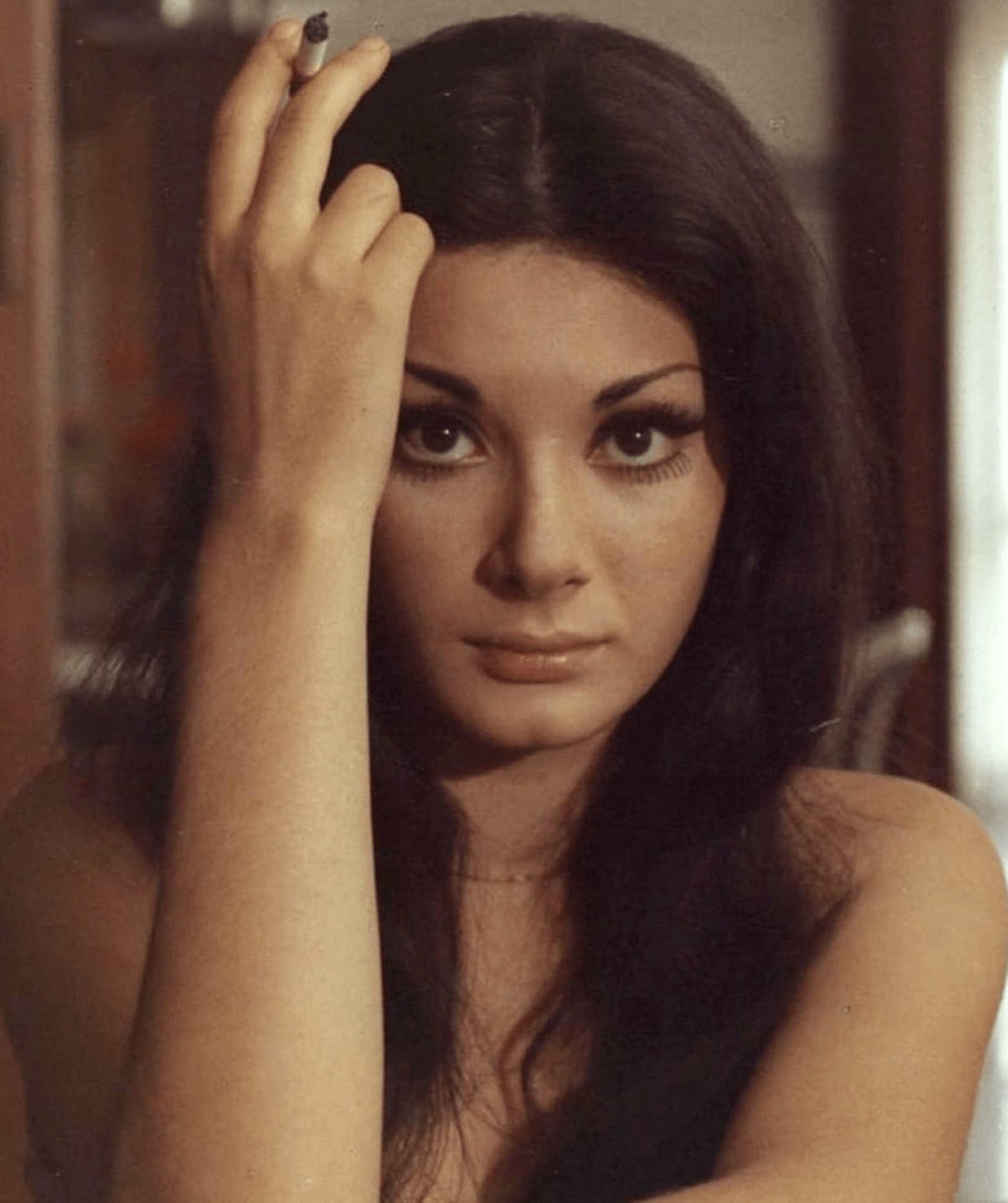
Edwige Fenech, a name synonymous with Italian cinema’s golden age, particularly in the genre of “commedia sexy all’italiana,” is more than just an actress; she is a cultural icon. Born on December 24, 1948, in Bona, near Tunis, to a Maltese father and an Italian mother of Algerian descent, Fenech’s journey to stardom is a tale of beauty, talent, and resilience. This article delves into the life, career, and legacy of Edwige Fenech, exploring how she rose to fame and her impact on the entertainment industry.
Early Life and Entry into Show Business
Edwige Fenech’s early life in Algeria was far removed from the world of glitz and glamour that she would later come to dominate. However, her striking beauty and poise soon attracted attention, leading her to participate in various beauty contests during her teenage years. It was at one such event, the Cannes Film Festival, where she was crowned Lady France, that her potential as a film star was recognized.
In 1967, Fenech made her film debut with a minor role in the bawdy comedy “Alle dame del castello piace fare solo quello,” a film inspired by Giovanni Boccaccio’s Decameron. This film, though not groundbreaking, marked the beginning of a prolific career that would see Fenech become one of the most recognizable faces in Italian cinema.
The Rise of a Cult Icon: The Commedia Sexy All’Italiana
Fenech’s early roles were largely in light-hearted comedies, often set against historical or mythological backdrops, where she played the archetypal seductive woman. However, it was her foray into the genre of “commedia sexy all’italiana” that truly catapulted her to fame.
The 1972 film Quel gran pezzo dell’Ubalda tutta nuda e tutta calda is often credited with establishing Fenech as the queen of this genre. Directed by Mariano Laurenti, the film blended slapstick humor with titillating eroticism, a formula that would become a hallmark of Fenech’s films throughout the 1970s. The movie was a massive box office success, and Fenech’s sultry performance made her the epitome of the Italian sex symbol.
The popularity of Quel gran pezzo dell’Ubalda led to a slew of similar films, such as La bella Antonia, prima monica e poi demonia and Quando le donne si chiamavano madonne. These films, while often criticized for their overt sexualization and simplistic plots, were beloved by audiences for their humor and the undeniable charisma of their leading lady.
A Cultural Phenomenon
By the mid-1970s, Edwige Fenech had become a cultural phenomenon. Her films were eagerly anticipated by audiences, and her image adorned countless magazine covers. She was not just an actress; she was the embodiment of a particular kind of Italian femininity that was both alluring and approachable.
Fenech’s films during this period often played with the theme of sexual liberation, reflecting broader societal changes in Italy and beyond. Movies like Giovannona Coscialunga disonorata con onore and La vedova inconsolabile ringrazia quanti la consolarono further cemented her status as a sex symbol, but they also showcased her comedic timing and ability to bring a sense of light-heartedness to roles that could easily have been one-dimensional.
The success of these films was not just due to Fenech’s beauty; it was also a testament to her talent as an actress. She had an innate ability to balance the erotic elements of her roles with humor and charm, making her performances memorable and endearing.
Transition to Serious Acting and Behind-the-Scenes Roles
While Fenech’s career was initially defined by her roles in the “commedia sexy all’italiana,” she was always more than just a pretty face. In the early 1980s, as the genre began to wane, Fenech made a conscious effort to transition into more serious roles and to establish herself as a force behind the camera.
In 1982, Fenech took a step back from her sex symbol image, appearing less frequently in films and focusing more on television. She made guest appearances on various Italian TV shows and began working as a television presenter, where her poise and sophistication shone through.
Fenech’s personal life also attracted media attention, particularly her relationship with Luca Cordero di Montezemolo, a prominent Italian businessman. This relationship further elevated her status in Italian society, but it was her business acumen that would define the next phase of her career.
In the 1990s, Fenech transitioned to working behind the scenes, founding her own production company, Immagine e Cinema. Her company quickly became a success, producing a string of popular TV series and films in Italy and abroad. Notably, she produced the hit Italian TV series Commesse, which further solidified her reputation as a savvy businesswoman with a keen eye for popular content.
A Return to Acting
Despite her success as a producer, Fenech never completely abandoned acting. In 2012, after a long hiatus from the screen, she returned in the role of Catherine II in the Italian TV miniseries La figlia del capitano. While this was not a leading role, it marked Fenech’s return to acting and was well-received by audiences who had missed seeing her on screen.
Her return to acting also demonstrated her versatility, as she moved away from the comedic and erotic roles that had defined her earlier career to take on a more dramatic part. This role was a testament to her enduring talent and her ability to evolve with the times.
Legacy and Cultural Impact
Edwige Fenech’s impact on Italian cinema and popular culture cannot be overstated. She was a trailblazer in many ways, breaking into an industry that was, at the time, dominated by male actors and directors. Her ability to navigate the often exploitative world of “commedia sexy all’italiana” while maintaining her dignity and professionalism is a testament to her strength of character.
Fenech’s films, while often dismissed by critics, have become cult classics, beloved by audiences around the world. The genre of “commedia sexy all’italiana” itself, though controversial, played an important role in reflecting and shaping societal attitudes towards sex and gender in Italy during the 1970s.
Moreover, Fenech’s transition from actress to producer highlights her multifaceted talent and her ability to reinvent herself in an industry that is often unforgiving to women as they age. She has not only remained relevant but has also become a respected figure in the entertainment industry.
Conclusion
Edwige Fenech’s life and career are a testament to the power of reinvention and resilience. From her early days as a beauty queen to her reign as the queen of “commedia sexy all’italiana,” and finally to her role as a successful producer and actress, Fenech has continually adapted to the changing landscape of the entertainment industry.
Her legacy is one of both cinematic excellence and personal strength. Edwige Fenech is not just a star of the past; she is a living legend whose contributions to film and television continue to inspire new generations of artists and entertainers.


