
Introduction
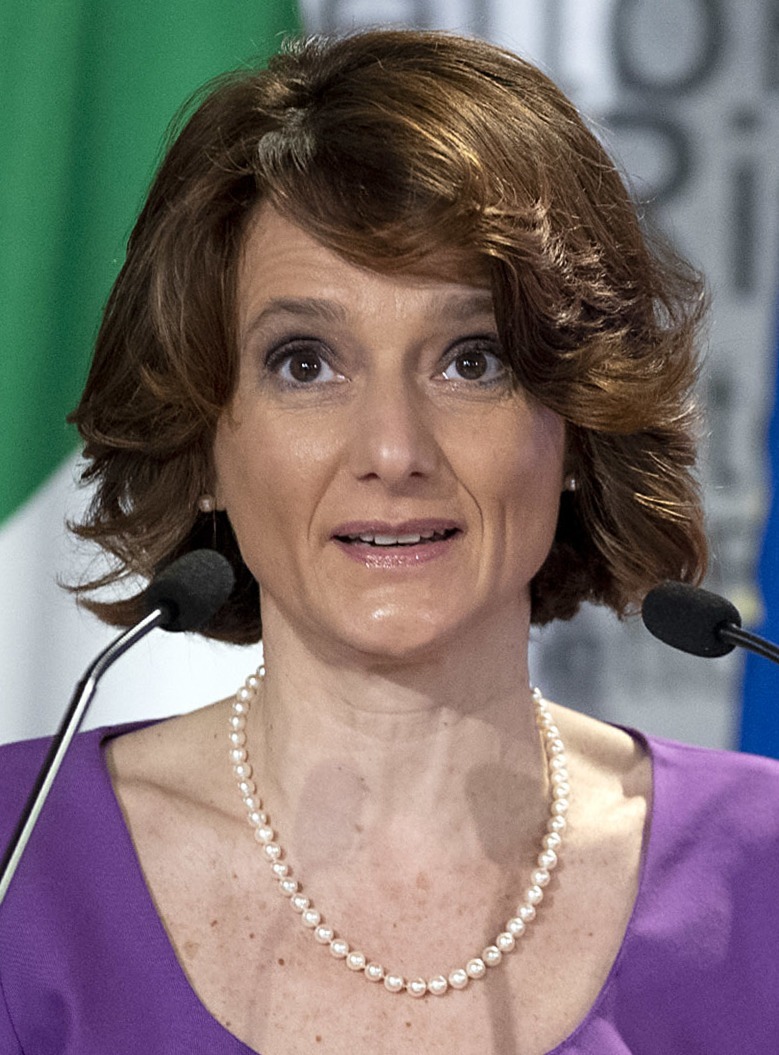
Elena Bonetti, an influential figure in Italian politics and academia, has made significant strides in both her professional and public life. Born on April 12, 1974, in Asola, Mantua, Bonetti’s journey from a dedicated academic to a prominent political leader reflects her commitment to public service, social justice, and progressive values. As a professor of mathematics and a former Minister for Equal Opportunities and Family in Italy, her work has been instrumental in shaping contemporary Italian policy, especially concerning family rights, gender equality, and youth empowerment. This article delves into the life of Elena Bonetti, exploring her age, rise to fame, and the key highlights of her life and career. We will also explore the historical context, her political journey, and the impact she has had on Italian society.
Early Life and Academic Background
Elena Bonetti was born in the small town of Asola, located in the province of Mantua, Lombardy, on April 12, 1974. Growing up in a region known for its rich cultural heritage and historical significance, Bonetti was exposed to the values of education and community service from an early age. Her parents, who were deeply rooted in the local community, instilled in her a sense of responsibility and a passion for learning.
Bonetti pursued her higher education at the University of Pavia, where she graduated in 1997 with a degree in Mathematics. Her academic journey did not stop there; she went on to earn a Ph.D. in Mathematics from the University of Milan in 2002. Bonetti’s specialization in mathematical analysis and her dedication to research led her to a successful academic career. In 2016, she became an associate professor of mathematical analysis at the University of Milan, where she contributed to both teaching and research in her field.
Her academic work has been recognized for its rigor and depth, and she has been involved in various research projects, contributing to the broader field of mathematics. However, Bonetti’s commitment to education extended beyond the classroom. She has been actively involved in initiatives that bridge the gap between academia and society, particularly in fostering youth leadership and civic engagement.
Involvement with AGESCI and Social Engagement
Even before entering the political arena, Elena Bonetti was deeply involved in social and community service. Her work with the Associazione Guide e Scouts Cattolici Italiani (AGESCI), the Italian Catholic Scouting Association, played a crucial role in shaping her approach to leadership and public service. As the national head of the AGESCI’s Rover and Scolte branch (which focuses on older youth), Bonetti was instrumental in guiding the association’s values and missions, particularly in promoting inclusivity, social responsibility, and moral integrity.
In August 2014, Bonetti participated in the National Route of Rover and Scolte, where over 30,000 young people gathered to discuss and outline a set of commitments and requests known as the “Carta del Coraggio” (Charter of Courage). This document called for greater openness and inclusivity in both the Church and society, addressing issues such as homosexuality, divorce, and cohabitation. The Charter also urged the state to adopt non-discriminatory policies and to facilitate the adoption process for all families.
Bonetti’s contribution to the Carta del Coraggio was pivotal, reflecting her progressive stance on family and social issues. Her advocacy for recognizing same-sex unions and her call for the Church to revisit its positions on controversial social issues highlighted her commitment to equality and human rights. This early involvement in social activism laid the groundwork for her future political career, where she continued to champion these values on a national stage.
The Political Ascent: From Academia to National Politics
Elena Bonetti’s transition from academia to politics was marked by her close association with Matteo Renzi, former Mayor of Florence and Prime Minister of Italy. Renzi, known for his reformist agenda and focus on youth and innovation, recognized Bonetti’s potential as a leader and invited her to take on increasingly prominent roles within his political movement.
Bonetti’s first significant political appointment came in 2017 when Renzi, after winning the Democratic Party (PD) primaries, named her to the PD’s National Secretariat. This appointment surprised many, including Bonetti herself, who later remarked that the proposal seemed disproportionate to her experience at the time. However, her acceptance of the role demonstrated her willingness to take on new challenges and her commitment to contributing to the political discourse in Italy.
Despite her close working relationship with Renzi, Bonetti was known for her critical stance on some of his policies, earning her the reputation of being a “renziana molto critica” (a very critical Renzi supporter). This independent streak set her apart from other members of Renzi’s inner circle and highlighted her ability to think critically and advocate for her principles.
Minister for Equal Opportunities and Family
Elena Bonetti’s most prominent role in Italian politics came in September 2019, when she was appointed Minister for Equal Opportunities and Family in the second government of Giuseppe Conte. This position placed her at the forefront of Italy’s efforts to address issues related to gender equality, family rights, and social justice.
As Minister, Bonetti championed several key initiatives aimed at improving the lives of Italian families and promoting gender equality. One of her main focuses was the introduction of a guaranteed minimum wage, a policy aimed at reducing economic disparities and ensuring a basic standard of living for all workers. She also advocated for fiscal measures to support families with children, including tax breaks and subsidies, which were designed to alleviate the financial burden on parents and encourage higher birth rates in Italy.
Bonetti’s tenure as Minister also saw her support the implementation of a “pensione di garanzia” (guarantee pension) for young people, which aimed to provide financial security for future generations in retirement. Additionally, she promoted initiatives to reduce youth emigration by creating more opportunities for education and employment within Italy, and she supported the idea of a mandatory month of civil service for young people to foster civic responsibility.
On the contentious issue of immigration, Bonetti was a vocal supporter of the “ius soli” principle, which would grant citizenship to children born in Italy to immigrant parents. She also advocated for a more inclusive and humane approach to immigration, emphasizing the need for widespread acceptance and integration of immigrants into Italian society.
The 2021 Government Crisis and Resignation
Elena Bonetti’s political career faced a significant challenge in January 2021, when Matteo Renzi, then leader of the Italia Viva party, triggered a government crisis by withdrawing his party’s support for the Conte government. As a result, Bonetti, along with fellow minister Teresa Bellanova, resigned from her position, leading to a period of political uncertainty in Italy.
However, this setback was short-lived. In February 2021, when Mario Draghi was appointed as Prime Minister, Bonetti was reappointed as Minister for Equal Opportunities and Family, a testament to her capabilities and the importance of continuity in her work. In this role, she continued to push for progressive policies, focusing on empowering women, supporting families, and promoting equal opportunities for all Italians.
Bonetti’s Impact on Italian Politics and Society
Elena Bonetti’s impact on Italian politics and society is multifaceted. Her work as Minister for Equal Opportunities and Family has been particularly influential in shaping contemporary discussions on gender equality, family rights, and social justice. Her policies have aimed at creating a more inclusive and equitable society, where all individuals, regardless of their background or circumstances, have the opportunity to thrive.
Bonetti’s advocacy for progressive family policies, including support for same-sex unions and the recognition of diverse family structures, has been a significant step forward in the ongoing evolution of Italian social norms. Her stance on these issues has helped to shift public discourse and challenge traditional views on family and marriage in Italy.
Moreover, Bonetti’s focus on youth empowerment and education has had a lasting impact on the younger generation. Through initiatives like the “Meritare Italia” (Deserving Italy) political training school, which she organized in collaboration with Matteo Renzi, Bonetti has helped to foster a new generation of politically engaged and socially conscious young leaders.
Her support for policies aimed at reducing economic inequality and providing financial security for families has also contributed to broader efforts to address Italy’s demographic challenges, including low birth rates and high youth emigration. By advocating for measures that support families and create opportunities for young people, Bonetti has worked to build a more sustainable and prosperous future for Italy.
Challenges and Controversies
Despite her achievements, Elena Bonetti’s political career has not been without challenges and controversies. Her close association with Matteo Renzi, a polarizing figure in Italian politics, has at times overshadowed her own work and led to criticism from various quarters. Additionally, her progressive stance on issues like same-sex unions and immigration has faced opposition from more conservative elements within Italian society and politics.
Bonetti’s policies have also been subject to intense scrutiny and debate, particularly regarding their feasibility and impact on the Italian economy. Critics have questioned the sustainability of some of her proposed measures, such as the guaranteed minimum wage and the guarantee pension for young people, arguing that they may place undue strain on public finances.
However, Bonetti has consistently defended her policies, emphasizing the need for bold and innovative solutions to address the complex social and economic challenges facing Italy. Her commitment to these principles, even in the face of criticism, underscores her dedication to creating a more just and equitable society.
Conclusion
Elena Bonetti’s life and career are a testament to her unwavering commitment to public service, social justice, and the empowerment of individuals and families. From her early days as a mathematics professor to her role as a national political leader, Bonetti has consistently worked to bridge the gap between academia and society, advocating for policies that promote equality, inclusion, and opportunity for all.
Her work as Minister for Equal Opportunities and Family has been particularly impactful, helping to shape the national conversation on gender equality, family rights, and social justice. Despite the challenges and controversies she has faced, Bonetti’s contributions to Italian politics and society continue to be recognized and celebrated.
As Italy continues to navigate the complexities of the 21st century, leaders like Elena Bonetti will play a crucial role in guiding the country toward a more inclusive and equitable future. Her legacy, marked by a deep commitment to progressive values and a willingness to challenge the status quo, will undoubtedly inspire future generations of leaders to continue the work of building a better society for all.


