
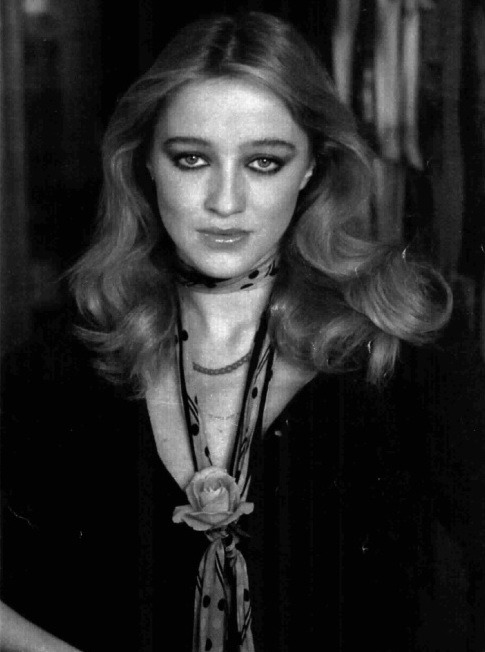
Eleonora Giorgi is a name that has become synonymous with Italian cinema and television. Born on October 21, 1953, in Rome, Italy, Giorgi has carved out a remarkable career as an actress, director, and writer. With her striking beauty, versatile talent, and enduring presence in the entertainment industry, she has become one of Italy’s most beloved and respected figures in the arts. Over the decades, Giorgi has not only entertained audiences with her performances but has also contributed significantly to the cultural fabric of Italy. Her journey through fame, personal challenges, and professional triumphs paints a vivid picture of a woman who has truly lived a life in the spotlight.
Early Life and Beginnings in the Entertainment Industry
Eleonora Giorgi was born into a middle-class family in Rome, where she was exposed to the rich cultural heritage of the Italian capital from a young age. Her early life was influenced by the artistic atmosphere of the city, which is known for its historical significance in the arts, particularly in film and theater. Giorgi showed an interest in acting from a young age, and her striking looks and natural talent quickly caught the attention of talent scouts.
At just 16 years old, Eleonora Giorgi made her debut in the entertainment industry, starting with small roles in Italian films. Her early work was characterized by a fresh, youthful energy that resonated with audiences and filmmakers alike. Giorgi’s early roles were often in the genre of “commedia all’italiana,” a style of Italian comedy that blends humor with social commentary, which was immensely popular during the 1960s and 1970s. These early experiences in film set the stage for what would become a long and successful career in the Italian entertainment industry.
Rise to Fame: The 1970s and 1980s
Eleonora Giorgi’s rise to fame was swift, and by the 1970s, she had established herself as one of the leading actresses in Italian cinema. Her performances during this period were marked by a versatility that allowed her to transition seamlessly between different genres, from comedy to drama. This ability to adapt to various roles made her a favorite among directors and producers.
One of the pivotal moments in Giorgi’s career came with her role in the 1976 film “L’Innocente,” directed by Luchino Visconti. In this film, Giorgi played the role of Teresa Raffo, a character that allowed her to showcase her dramatic acting skills. Her performance was critically acclaimed, and the film’s success helped to cement her status as a leading actress in Italian cinema.
The 1980s saw Giorgi continue to build on her success with a series of high-profile roles in films and television. She became known for her work in romantic comedies, a genre that allowed her to display her charm and comedic timing. Films like “Mia moglie è una strega” (1980) and “Borotalco” (1982) were box office hits and further solidified Giorgi’s place in the hearts of Italian audiences. During this period, she also worked with some of the most renowned directors in Italian cinema, including Carlo Vanzina and Pasquale Festa Campanile, further expanding her repertoire and influence in the industry.
Challenges and Personal Struggles: The Human Side of Stardom
Despite her professional success, Eleonora Giorgi’s life has not been without its challenges. Like many public figures, she has faced personal struggles that have sometimes played out in the public eye. Throughout her career, Giorgi has been open about the difficulties she has encountered, including battles with addiction and the pressures of living under the constant scrutiny of the media.
In the late 1980s and early 1990s, Giorgi took a step back from the limelight to focus on her personal well-being and to deal with these challenges. During this time, she sought treatment for her struggles with substance abuse, an experience that she later spoke about candidly in interviews. Giorgi’s openness about her struggles has made her an inspiration to many, as she has shown that it is possible to overcome personal demons and emerge stronger on the other side.
These experiences also influenced her work as an actress and filmmaker, adding depth and authenticity to the characters she portrayed. Giorgi’s ability to channel her personal experiences into her art has been one of the defining features of her career, making her performances resonate on a deeper level with audiences.
The Transition to Directing and Writing: A New Chapter
As Eleonora Giorgi moved into the later stages of her career, she began to explore new avenues within the entertainment industry, including directing and writing. This transition marked a significant shift in her career, as she moved from being in front of the camera to taking on more creative control behind the scenes.
In 2003, Giorgi made her directorial debut with the film “Uomini & donne, amori & bugie,” a romantic comedy that she also wrote. The film was well-received and showcased Giorgi’s ability to craft engaging stories that reflect the complexities of human relationships. Her work as a director allowed her to bring a new perspective to Italian cinema, blending her years of experience as an actress with her creative vision.
Giorgi’s foray into directing and writing was not limited to film. She also ventured into television, where she worked on various projects that highlighted her versatility and ability to adapt to different formats. Her work in these areas has been praised for its depth, humor, and keen insight into the human condition.
This new chapter in Giorgi’s career has allowed her to continue contributing to the Italian entertainment industry in meaningful ways. By taking on roles as a director and writer, Giorgi has expanded her influence and demonstrated her ability to excel in multiple facets of the industry. Her work behind the camera has been an extension of her long-standing commitment to storytelling and her passion for the arts.
Cultural Impact and Legacy: A Lasting Influence on Italian Cinema
Eleonora Giorgi’s impact on Italian cinema and culture cannot be overstated. Over the course of her career, she has become a cultural icon, recognized not only for her beauty and talent but also for her resilience and versatility. Her work has left an indelible mark on the Italian film industry, and her legacy continues to inspire new generations of actors, filmmakers, and audiences.
Giorgi’s contributions to Italian cinema have been recognized with numerous awards and accolades throughout her career. She has been honored with several prestigious awards, including the David di Donatello Award for Best Actress, which she won for her role in the film “Borotalco.” This recognition is a testament to her skill and dedication as an actress and her ability to bring complex characters to life on screen.
Beyond her awards and critical acclaim, Giorgi’s influence can also be seen in the way she has helped to shape the representation of women in Italian cinema. Throughout her career, she has portrayed a wide range of female characters, from the innocent ingenue to the strong, independent woman. This diversity in roles has contributed to a more nuanced and complex portrayal of women in Italian film, challenging stereotypes and opening the door for more varied and authentic female characters.
Eleonora Giorgi in the 21st Century: A Continuing Presence
As the 21st century has progressed, Eleonora Giorgi has continued to be a prominent figure in the entertainment industry. While she has scaled back her acting roles in recent years, she remains active in the industry, particularly in her roles as a director and writer. Giorgi has embraced the changes in the entertainment landscape, including the rise of digital media and streaming platforms, which have opened up new opportunities for storytelling and creative expression.
In addition to her work in film and television, Giorgi has also become a respected voice in the broader cultural conversation. She has used her platform to speak out on various social and political issues, including women’s rights and mental health awareness. Giorgi’s willingness to engage with these topics has further solidified her status as a cultural icon and a role model for many.
Her continued relevance in the entertainment industry is a testament to her adaptability and her passion for the arts. Giorgi has successfully navigated the challenges and changes that have come with a career spanning over five decades, and she remains a beloved figure in Italian culture.
Personal Life: The Woman Behind the Screen
While Eleonora Giorgi is best known for her work in the entertainment industry, her personal life has also been a subject of public interest. Giorgi has been married twice, first to actor and director Angelo Rizzoli and later to singer-composer Massimo Ciavarro. Her marriages, particularly her relationship with Rizzoli, who was involved in a high-profile financial scandal in the 1980s, have often been in the media spotlight.
Giorgi has two children, Andrea Rizzoli and Paolo Ciavarro, both of whom have followed in their mother’s footsteps by pursuing careers in the entertainment industry. Giorgi’s relationship with her sons has been a source of great pride for her, and she has spoken about the importance of family in her life.
Despite the challenges and scrutiny that have come with her personal life, Giorgi has maintained a sense of privacy and dignity. She has navigated the ups and downs of her personal and professional life with grace, and her ability to remain grounded has endeared her to fans and colleagues alike.
The Future: Eleonora Giorgi’s Ongoing Influence
As Eleonora Giorgi looks to the future, it is clear that her influence on Italian cinema and culture will continue to endure. With a career that has spanned more than five decades, Giorgi has demonstrated an unwavering commitment to her craft and a passion for storytelling that transcends the screen. Her work as an actress, director, and writer has left a lasting legacy that will inspire future generations of artists and entertainers.
Giorgi’s continued involvement in the entertainment industry, whether through new film projects, television appearances, or her work behind the scenes, ensures that her voice will remain a significant part of Italy’s cultural landscape. Her ability to adapt to the changing dynamics of the industry while staying true to her artistic vision is a testament to her talent and resilience.
As a cultural icon, Eleonora Giorgi represents the evolution of Italian cinema and the power of storytelling to reflect and shape society. Her legacy is one of creativity, perseverance, and a deep love for the arts. Giorgi’s impact on Italian culture is undeniable, and her story is one of inspiration and triumph.
Conclusion: The Enduring Legacy of Eleonora Giorgi
Eleonora Giorgi’s life and career offer a remarkable portrait of a woman who has successfully navigated the complexities of fame, personal challenges, and professional success. From her early days as a young actress in Rome to her rise as a leading figure in Italian cinema, Giorgi’s journey is a testament to her talent, resilience, and enduring appeal.
Her contributions to the entertainment industry, both as an actress and as a filmmaker, have left an indelible mark on Italian culture. Giorgi’s ability to adapt to new roles, embrace challenges, and explore new creative avenues has ensured her continued relevance in the ever-changing world of entertainment.
As we reflect on Eleonora Giorgi’s legacy, it is clear that her influence will be felt for generations to come. Her work has not only entertained audiences but has also contributed to the cultural richness of Italy. Giorgi’s story is one of artistic achievement, personal growth, and a deep commitment to the power of storytelling. She remains a beloved and iconic figure, whose impact on Italian cinema and culture will endure for many years to come.


