
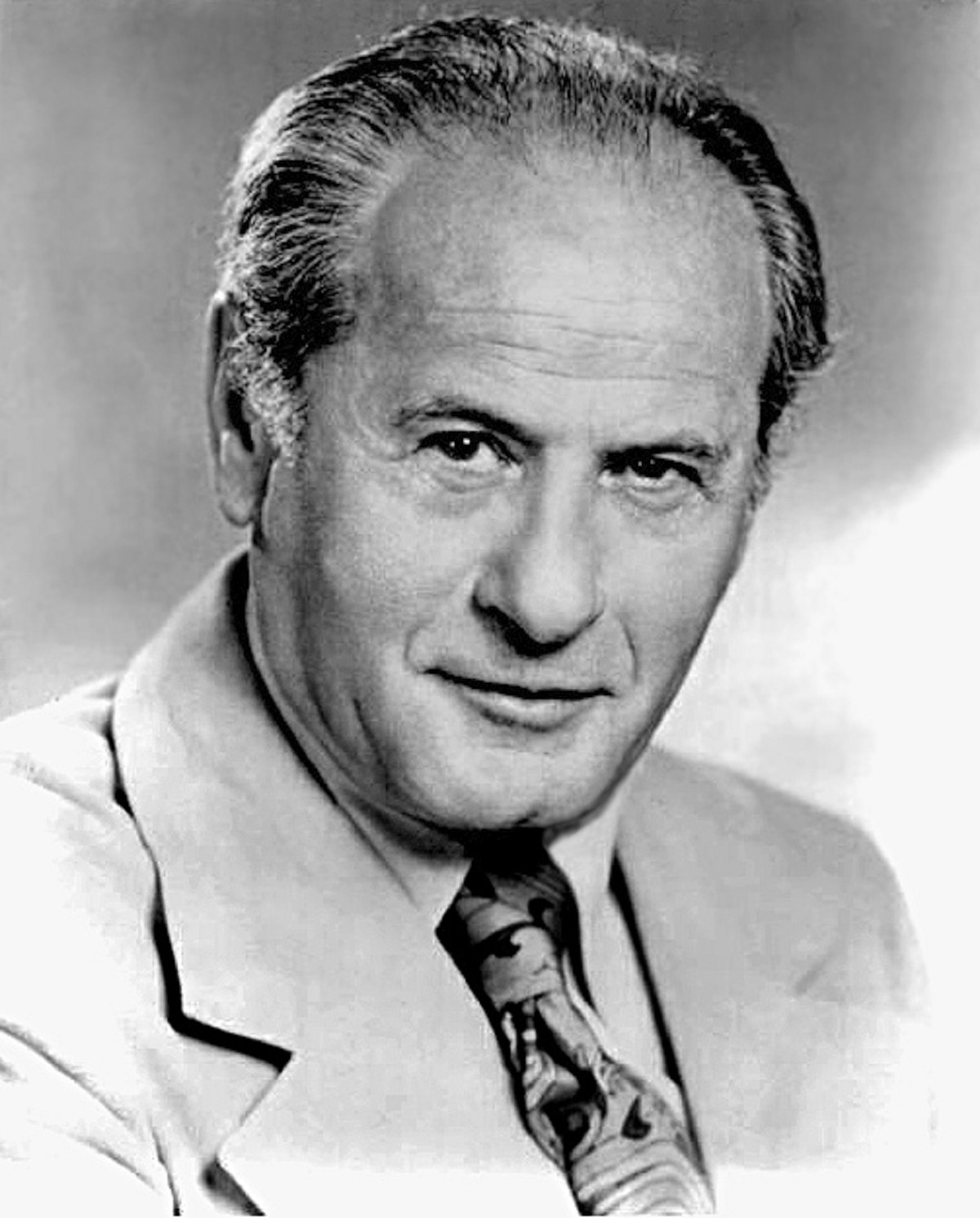
Eli Wallach was more than just a prolific actor; he was a symbol of the golden age of Hollywood, an era that defined American cinema for generations. Born on December 7, 1915, in the Brooklyn district of New York, Wallach’s life spanned almost a century, witnessing and contributing to the evolution of film and theater. His journey from a humble beginning to becoming one of Hollywood’s most respected actors is a tale of perseverance, talent, and an unyielding passion for the arts.
Early Life and Military Service
Eli Herschel Wallach was born into a family of Polish Jewish immigrants. Growing up in Brooklyn, he was exposed to a melting pot of cultures, which would later influence his versatility as an actor. Wallach pursued higher education at the University of Texas, where his initial interest in the arts began to take shape. However, his life took a significant detour when World War II erupted. Wallach served in the U.S. Army for five years, where he reached the rank of captain in the Medical Corps. His military service not only imbued him with discipline but also exposed him to the harsh realities of life, which he would later channel into his acting.
Theatrical Beginnings and Broadway Success
After his military service, Wallach returned to the United States, where he decided to pursue acting full-time. He trained at the Neighborhood Playhouse in New York, where he was introduced to the Stanislavski method, a technique that emphasizes the psychological and emotional authenticity of a character. This method would become a cornerstone of Wallach’s acting style.
Wallach made his Broadway debut in 1945 with the play Skydrift, but it was his performance in Tennessee Williams’ The Rose Tattoo in 1951 that catapulted him to fame. His portrayal of Alvaro Mangiacavallo won him a Tony Award, establishing him as one of the premier actors of his time. This role was a significant milestone in Wallach’s career, showcasing his ability to bring complex characters to life with nuance and depth.
Transition to Film: The Rise of a Character Actor
Wallach’s success on Broadway soon caught the attention of Hollywood, and in 1956, he made his film debut in Baby Doll, directed by Elia Kazan and written by Tennessee Williams. The film was a critical success and introduced Wallach to a broader audience. His performance as the scheming Silva Vacarro was both chilling and compelling, demonstrating his ability to dominate the screen alongside more established stars.
However, it was his role as Calvera, the Mexican bandit leader in The Magnificent Seven (1960), that truly solidified Wallach’s place in cinema history. The film, a Western adaptation of Akira Kurosawa’s Seven Samurai, became a classic, and Wallach’s portrayal of Calvera was both charismatic and menacing. This role showcased Wallach’s talent for playing complex villains, a type he would become famous for.
The Iconic Role: Tuco in The Good, the Bad, and the Ugly
If there is one role that defines Eli Wallach’s career, it is undoubtedly that of Tuco in Sergio Leone’s The Good, the Bad, and the Ugly (1966). As the “ugly” in the film’s iconic trio, Wallach delivered a performance that was both humorous and tragic, creating a character that was unforgettable. Tuco was a bandit, a scoundrel, and yet, through Wallach’s portrayal, he became a character audiences could empathize with.
The Good, the Bad, and the Ugly is often hailed as one of the greatest Westerns ever made, and Wallach’s contribution to its success cannot be overstated. His chemistry with co-stars Clint Eastwood and Lee Van Cleef, coupled with Leone’s visionary direction, resulted in a film that transcended the genre. Wallach’s Tuco remains one of the most memorable characters in cinematic history, a testament to his skill as an actor.
A Diverse Filmography: From Westerns to Dramas
Despite his association with Westerns, Wallach’s career was remarkably diverse. He starred in a variety of genres, from dramas to comedies, and everything in between. In 1961, he appeared in The Misfits, directed by John Huston and written by Arthur Miller. The film starred Clark Gable and Marilyn Monroe, and Wallach held his own among these Hollywood legends. His role as Guido, a mechanic with a tragic past, showcased his ability to convey deep emotional pain and complexity.
Wallach also appeared in The Godfather Part III (1990), directed by Francis Ford Coppola, where he played Don Altobello, an aging mobster with a deceptive charm. Even in his later years, Wallach continued to take on challenging roles, proving that his talent had not diminished with age.
Television Appearances and Later Work
In addition to his film work, Wallach had a successful career in television. He made guest appearances in numerous popular TV shows, including Law & Order and Murder, She Wrote. These roles allowed him to reach a new generation of audiences who may not have been familiar with his earlier work.
One of Wallach’s final roles was in the romantic comedy The Holiday (2006), where he played Arthur Abbott, a retired screenwriter. The film was a commercial success, and Wallach’s performance was praised for its warmth and humor. It was a fitting end to a long and illustrious career, allowing Wallach to once again showcase his versatility and charm.
Legacy and Influence
Eli Wallach passed away on June 24, 2014, at the age of 98. His death marked the end of an era, but his legacy lives on through his films. Wallach was not just an actor; he was a storyteller, a man who brought characters to life in a way that few others could. His ability to portray both villains and heroes with equal skill made him one of the most respected actors of his time.
Wallach’s influence can be seen in the performances of many actors who followed in his footsteps. His dedication to the craft of acting, his willingness to take on challenging roles, and his ability to bring depth and nuance to every character he played, set a standard that continues to inspire actors today.
Conclusion
Eli Wallach’s life and career were a testament to the power of perseverance and passion. From his early days in Brooklyn to his final years in Hollywood, Wallach remained dedicated to his craft, constantly evolving as an actor. His performances in films like The Magnificent Seven and The Good, the Bad, and the Ugly have left an indelible mark on cinema, ensuring that his legacy will endure for generations to come.
As we look back on Wallach’s life, it is clear that he was more than just a character actor; he was a true artist, one who brought authenticity and emotion to every role he played. In a career that spanned over six decades, Eli Wallach achieved a level of fame and respect that few actors ever attain, making him a true legend of American cinema.


