
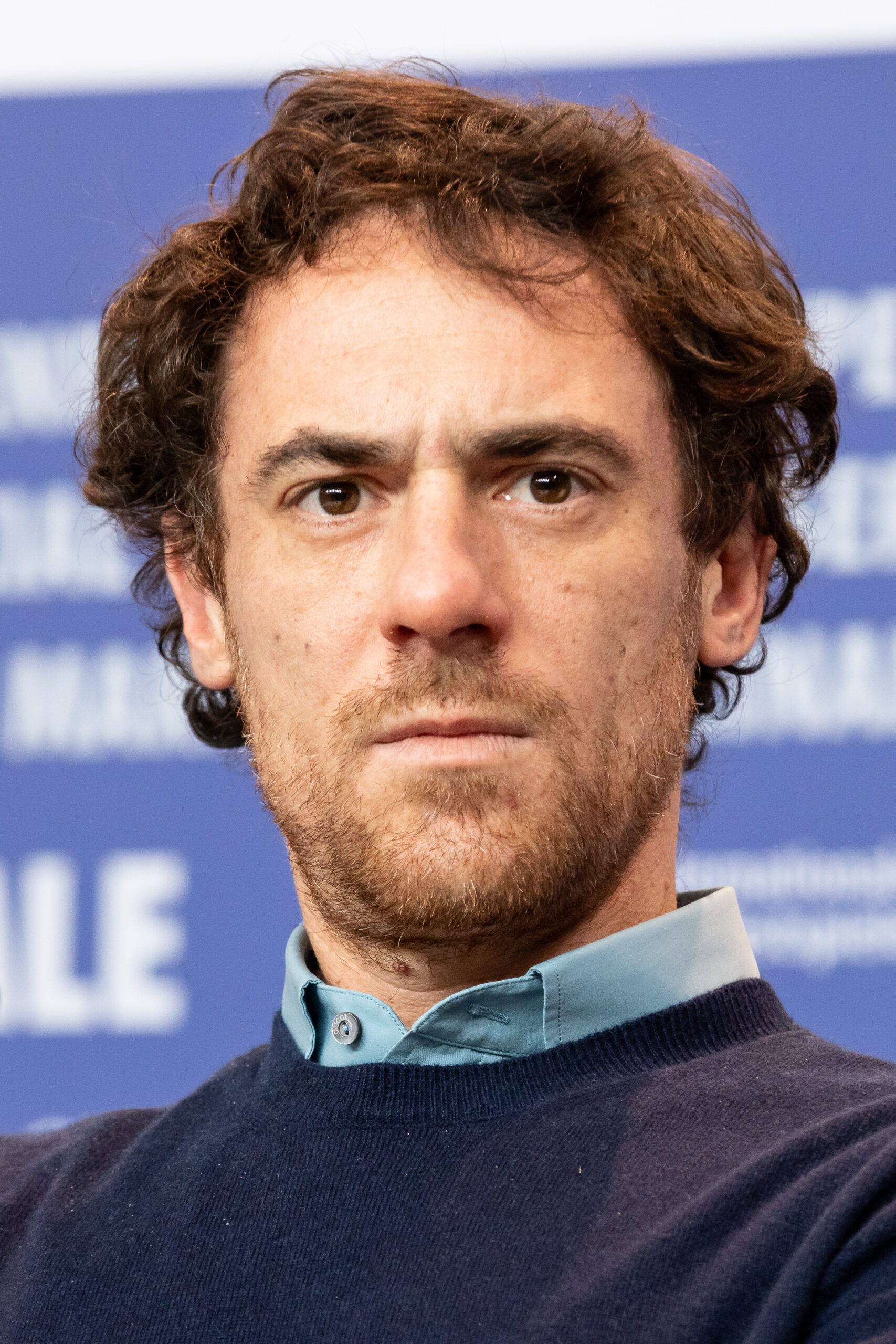
Elio Germano, born on September 25, 1980, in Rome, Italy, is widely regarded as one of the most talented and versatile actors of his generation. His career, spanning over three decades, has seen him portray a wide array of characters, earning him critical acclaim and a place among the most respected figures in Italian cinema. This article delves into the life, achievements, and highlights of Elio Germano’s career, offering insights into how he rose to fame, the challenges he overcame, and his significant contributions to the film industry.
Early Life and the Beginnings of a Promising Career
Elio Germano was born into a family with roots in Duronia, a small town in the Molise region of Italy. From a young age, Germano showed an interest in the arts, a passion that would later define his career. His first appearance on screen was at the age of eight in a television commercial for Pandoro Bauli, a popular Italian dessert. This early experience in front of the camera hinted at the potential that would soon blossom into a full-fledged acting career.
In 1992, Germano made his film debut in the comedy Ci Hai Rotto Papà, directed by Castellano and Pipolo. At just 12 years old, he played the lead role, showcasing a natural talent for acting that belied his young age. This film marked the beginning of his journey in the Italian film industry, setting the stage for a career that would be characterized by a wide range of roles and a deep commitment to his craft.
Education and Early Theatrical Work
As Germano grew older, his passion for acting continued to grow. He attended a scientific high school, but it was clear that his true interests lay in the performing arts. To hone his skills, he enrolled in the Teatro Azione acting school in Rome, where he studied under the guidance of Cristiano Censi and Isabella Del Bianco. This training provided him with a strong foundation in acting, which he would later build upon in his film and theater work.
During this time, Germano also dabbled in music, forming a rap group called Bestierare in 1997. However, it was clear that his true calling was acting. In 1999, he appeared in the television film Cornetti al Miele, directed by Sergio Martino. Around the same time, while touring with Giancarlo Cobelli in a theater production, Germano decided to fully commit to a career in film, leaving the stage to pursue roles in cinema.
The 2000s: A Decade of Rising Fame
The early 2000s were a pivotal period in Elio Germano’s career. He quickly established himself as a formidable talent, working with some of Italy’s most renowned directors. In 2001, he appeared in Concorrenza Sleale, directed by the legendary Ettore Scola, alongside actors such as Sergio Castellitto and Diego Abatantuono. This role helped solidify his reputation as a serious actor capable of delivering powerful performances.
Over the next few years, Germano continued to take on challenging roles in various films. He worked with Ivano De Matteo in Ultimo Stadio and Emanuele Crialese in Respiro (2002), both of which demonstrated his ability to portray complex characters. His role in Liberi (2003), directed by Gianluca Maria Tavarelli, and Ora o Mai Più (2003), directed by Lucio Pellegrini, further showcased his versatility.
In 2004, Germano co-starred with Silvio Muccino in Giovanni Veronesi’s Che Ne Sarà di Noi, a film that became popular with younger audiences and contributed to his growing fame. His breakthrough moment came in 2005 when he starred in Quo Vadis, Baby? directed by Gabriele Salvatores, and Ti Piace Hitchcock?, directed by the master of Italian horror, Dario Argento. These roles marked a significant step in his career, as he began to receive recognition for his ability to handle a wide range of genres, from thriller to drama.
Germano’s career continued to ascend as he appeared in high-profile films such as Mary (2005) by Abel Ferrara and Romanzo Criminale (2005) by Michele Placido. Romanzo Criminale was particularly significant, as it became one of the most acclaimed Italian films of the decade, further cementing Germano’s status as a leading actor. His role in Mio Fratello è Figlio Unico (2007), directed by Daniele Luchetti, earned him his first David di Donatello Award for Best Actor, solidifying his position as one of Italy’s top talents.
The 2010s: International Recognition and Continued Success
The 2010s marked a period of international recognition and continued success for Elio Germano. In 2010, he delivered one of his most celebrated performances in La Nostra Vita, directed by Daniele Luchetti. Germano’s portrayal of Claudio, a construction worker facing personal and professional crises, earned him the Best Actor Award at the 63rd Cannes Film Festival. This prestigious accolade placed Germano in the international spotlight and highlighted his ability to portray deeply emotional and relatable characters.
Following this success, Germano took on a variety of roles that showcased his range as an actor. He starred in La Fine è il Mio Inizio (2010), where he played Folco Terzani, the son of renowned journalist Tiziano Terzani. The film, directed by Jo Baier, was a poignant exploration of life and legacy, with Germano delivering a performance that was both nuanced and heartfelt.
In 2012, Germano starred in Diaz – Don’t Clean Up This Blood, directed by Daniele Vicari. The film, which depicted the brutal police raid during the 2001 G8 summit in Genoa, was a critical success and demonstrated Germano’s ability to tackle challenging and politically charged roles. His performance in Magnifica Presenza (2012), directed by Ferzan Ozpetek, earned him several awards, including the Globo d’Oro for Best Actor, further establishing his reputation as one of Italy’s most accomplished actors.
Germano continued to work with top directors and take on diverse roles. In 2013, he starred in L’Ultima Ruota del Carro, directed by Giovanni Veronesi, a film that earned him a Nastro d’Argento nomination for Best Actor. However, it was his role as the iconic Italian poet Giacomo Leopardi in Il Giovane Favoloso (2014), directed by Mario Martone, that truly showcased Germano’s extraordinary talent. His portrayal of Leopardi was widely praised for its depth and sensitivity, earning him numerous accolades and further solidifying his place as one of the most important actors in contemporary Italian cinema.
Personal Life and Artistic Philosophy
Throughout his career, Elio Germano has remained relatively private about his personal life, choosing to focus public attention on his work rather than his off-screen persona. He is known for his dedication to his craft and his commitment to portraying characters with authenticity and depth. Germano’s approach to acting is deeply rooted in a desire to explore the human condition, often choosing roles that challenge societal norms and reflect the complexities of life.
In addition to his acting career, Germano has continued to express his artistic sensibilities through music and theater. His early involvement in rap music with the group Bestierare reflects his interest in using different forms of artistic expression to communicate ideas and emotions.
Germano’s artistic philosophy is also reflected in his choice of roles. He has often selected projects that address important social issues, such as inequality, political corruption, and the human impact of historical events. This commitment to meaningful storytelling has made him a respected figure not only in Italy but also in the broader international film community.
Recent Work and Ongoing Legacy
In recent years, Elio Germano has continued to push the boundaries of his craft, taking on roles that challenge both himself and his audience. In 2018, he starred in Io Sono Tempesta, directed by Daniele Luchetti, where he played a complex character navigating moral and ethical dilemmas. His performance was once again met with critical acclaim, further proving his ability to bring depth and nuance to every role he takes on.
In 2020, Germano delivered another career-defining performance in Volevo Nascondermi, directed by Giorgio Diritti. He portrayed the artist Antonio Ligabue, a role that required him to delve deeply into the psyche of a man who struggled with mental illness and social alienation. Germano’s portrayal was widely lauded, earning him the Silver Bear for Best Actor at the Berlin International Film Festival. This award was a testament to his skill and dedication as an actor, as well as his ability to convey complex and often challenging characters with empathy and realism.
Later in 2020, Germano starred in L’Incredibile Storia dell’Isola delle Rose, a Netflix film based on a true story. His performance once again demonstrated his versatility, as he brought humor and humanity to a tale of idealism and defiance. The film’s international release on Netflix introduced Germano to a global audience, further expanding his influence and reputation.
Conclusion: The Enduring Impact of Elio Germano
Elio Germano’s career is a testament to his incredible talent, versatility, and dedication to the art of acting. Over the course of more than three decades, he has consistently chosen roles that challenge societal norms, explore deep emotional truths, and reflect the complexities of the human experience. His ability to portray a wide range of characters with authenticity and depth has made him one of the most respected actors in Italian cinema and has earned him recognition on the international stage.
As he continues to take on new and challenging roles, Elio Germano remains a vital and influential figure in the world of film. His work not only entertains but also provokes thought and discussion, making a lasting impact on audiences around the world. With each new project, Germano reaffirms his place as one of the most important actors of his generation, and his legacy is sure to endure for years to come.


