
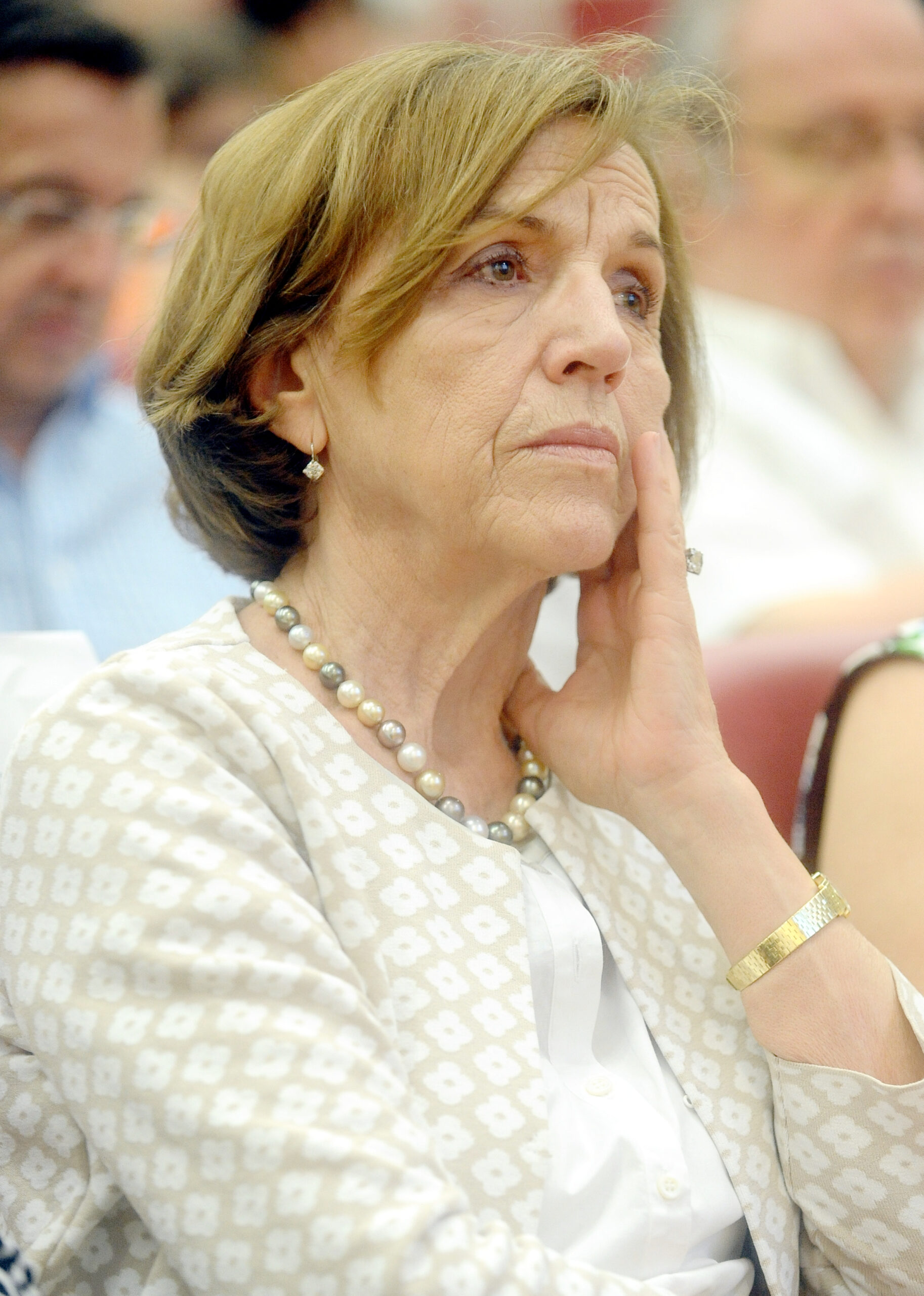
Elsa Fornero, born on May 7, 1948, in San Carlo Canavese, a small town in the province of Turin, Italy, is a renowned Italian economist and academic who rose to international prominence as the Minister of Labor, Social Policies, and Equal Opportunities in the government of Mario Monti from 2011 to 2013. Her career is marked by a blend of academic excellence, policy-making, and a commitment to social reform, making her one of the most influential figures in contemporary Italian economics and politics. This article delves into her life, career, and the significant milestones that have shaped her journey.
Early Life and Academic Foundations
Elsa Fornero’s upbringing in the small town of San Carlo Canavese laid the foundation for her strong work ethic and intellectual curiosity. She pursued her higher education at the University of Turin, where she earned a degree in economics. Her academic journey did not stop there; Fornero went on to complete her Ph.D. in economics, specializing in macroeconomics, savings, pensions, and welfare systems. Her deep understanding of these areas would later become the cornerstone of her professional and academic career.
Fornero’s early academic work focused on macroeconomics and the economics of savings and pensions. She quickly established herself as a leading expert in the field, with a particular interest in the sustainability of pension systems, both public and private. Her research explored the challenges posed by aging populations, retirement choices, household savings, and life insurance—topics that would later become central to her role as a policymaker.
Academic Career: A Distinguished Scholar
Before stepping into the public eye as a government official, Elsa Fornero had a distinguished academic career. She served as a full professor of Political Economy at the Faculty of Economics at the University of Turin, where she taught macroeconomics and the economics of savings, pensions, and pension funds. Her academic work was characterized by a rigorous approach to the study of pension systems and welfare policies, areas in which she became a recognized authority.
Fornero’s research was instrumental in shaping the academic discourse on pension reforms in Italy and across Europe. She served as the Scientific Coordinator of the CeRP (Center for Research on Pensions and Welfare Policies) at the Collegio Carlo Alberto, an interdisciplinary research center that played a crucial role in the study of pensions and welfare systems. Her contributions to this field were not only theoretical but also practical, as she frequently engaged with policymakers to discuss the implications of her research.
In addition to her work at the University of Turin, Fornero held several prestigious academic positions. She was an Honorary Fellow at the Collegio Carlo Alberto and a member of the doctoral faculty at the University of Turin and the Maastricht Graduate School of Governance. Her international reputation was further solidified through her involvement with various academic and policy institutions, including the World Bank, where she served as an expert evaluator, assessing the role of the bank in implementing pension reforms in transitional economies.
Recognition and Honors
Throughout her career, Elsa Fornero received numerous accolades for her contributions to economics and social policy. In 2001, she was awarded the Saint Vincent Prize for Economics, shared with Ignazio Musu, recognizing her outstanding work in the field. Two years later, she received the INA-Academy of Lincei Prize for studies in insurance, shared with Olivia Mitchell. These awards highlighted her pioneering research on pension systems and her impact on both academic and policy circles.
Fornero was also recognized for her contributions to gender equality and innovation in human capital. In 2011, she was honored with the “La Mela d’Oro” (The Golden Apple) award by the Marisa Bellisario Foundation, which is dedicated to recognizing women who have made significant contributions to innovation and human capital.
Political Career: Minister of Labor and the Monti Government
Elsa Fornero’s transition from academia to politics occurred in 2011, during a critical period for Italy. The country was in the throes of a severe economic crisis, and the government of Mario Monti, a technocratic administration, was formed to address the economic challenges facing the nation. On November 16, 2011, Fornero was appointed as the Minister of Labor, Social Policies, and Equal Opportunities, becoming the second woman in Italy’s history to hold this position, following Tina Anselmi.
As Minister of Labor, Fornero was tasked with one of the most challenging portfolios in the Monti government. Italy was facing a rapidly aging population, high public debt, and an unsustainable pension system. Fornero’s primary responsibility was to implement comprehensive pension reforms that would stabilize Italy’s finances and ensure the long-term sustainability of its welfare state.
The reforms she introduced, often referred to as the “Fornero Reform,” were among the most significant and controversial in modern Italian history. The reform package included raising the retirement age, tightening eligibility for pensions, and linking pensions more closely to life expectancy. These measures were designed to reduce public spending on pensions and align Italy’s pension system with the economic realities of the time.
One of the most memorable and humanizing moments of Fornero’s political career occurred during a press conference in December 2011, when she was overcome with emotion while announcing the pension reforms. Her voice cracked, and she struggled to continue, visibly moved by the gravity of the situation and the sacrifices that her reforms would require from Italian citizens. This moment was widely covered by the media and resonated with the public, portraying her as a politician who genuinely cared about the impact of her decisions.
The Fornero Reform: Impact and Controversy
The Fornero Reform was implemented as part of a broader austerity package aimed at preventing Italy from being dragged deeper into the European debt crisis. The reform had several key components, including:
-
Raising the Retirement Age: The reform gradually increased the retirement age for both men and women, with the goal of reducing the financial burden on the pension system. The retirement age was linked to life expectancy, meaning it would continue to rise as people lived longer.
-
Contributory System: The reform introduced a system where pensions were calculated based on the contributions made by individuals throughout their working life. This shift from a “pay-as-you-go” system to a contributory system aimed to make the pension system more sustainable in the long run.
-
Tightening Eligibility: The reform also tightened the criteria for early retirement and disability pensions, making it more difficult for individuals to retire before the standard retirement age.
-
Blocking Pension Increases: The reform included a temporary freeze on the automatic adjustment of pensions to inflation, a measure intended to save money but one that was particularly controversial as it affected the income of many retirees.
While the Fornero Reform was widely praised by economists and international institutions for its rigor and effectiveness in stabilizing Italy’s public finances, it was also met with significant opposition. The reforms were deeply unpopular among large segments of the Italian population, particularly among those nearing retirement who found themselves suddenly facing additional years of work before they could retire.
The most significant criticism of the reform centered on its perceived harshness and the speed with which it was implemented. Many Italians felt that the reform was too drastic and that it unfairly targeted the most vulnerable members of society. The reform also led to the creation of a new social group known as “esodati,” individuals who had left their jobs expecting to retire but were left without income due to the sudden changes in pension eligibility.
Post-Ministerial Career and Legacy
After leaving office in 2013, Elsa Fornero returned to academia but continued to be an influential voice in public debates on economic and social policy. She frequently contributes to Italian and international media, offering her insights on economic issues, pension reform, and social welfare. Fornero’s legacy is deeply tied to the pension reforms she implemented, and she remains a polarizing figure in Italian politics.
Fornero has also been involved in various civic and educational initiatives. She continues to advocate for sustainable economic policies and social justice, particularly in the areas of pension reform and gender equality. Her work has had a lasting impact on Italy’s economic policy and continues to influence debates on welfare and labor issues.
Personal Life
Elsa Fornero is married to Mario Deaglio, a fellow economist and professor at the University of Turin. Together, they have a daughter, Silvia Deaglio, born in 1975, who is also an academic, specializing in genetics and teaching at the University of Turin. Fornero’s family life is deeply intertwined with her professional life, as her husband and daughter share her commitment to academia and public service.
Conclusion
Elsa Fornero’s life and career are a testament to her intellectual rigor, commitment to public service, and resilience in the face of controversy. From her early days as an academic to her role as a key figure in Italy’s economic reform, Fornero has consistently demonstrated a deep understanding of the complex issues facing modern societies. Her work in pension reform, while controversial, has had a profound impact on Italy’s economic stability and continues to shape the country’s social policies.
Fornero remains an influential figure in Italy, respected for her expertise and dedication to improving the country’s economic and social systems. Her legacy as a reformer and public servant is firmly established, and her contributions to the fields of economics and public policy will continue to be studied and debated for years to come.


