
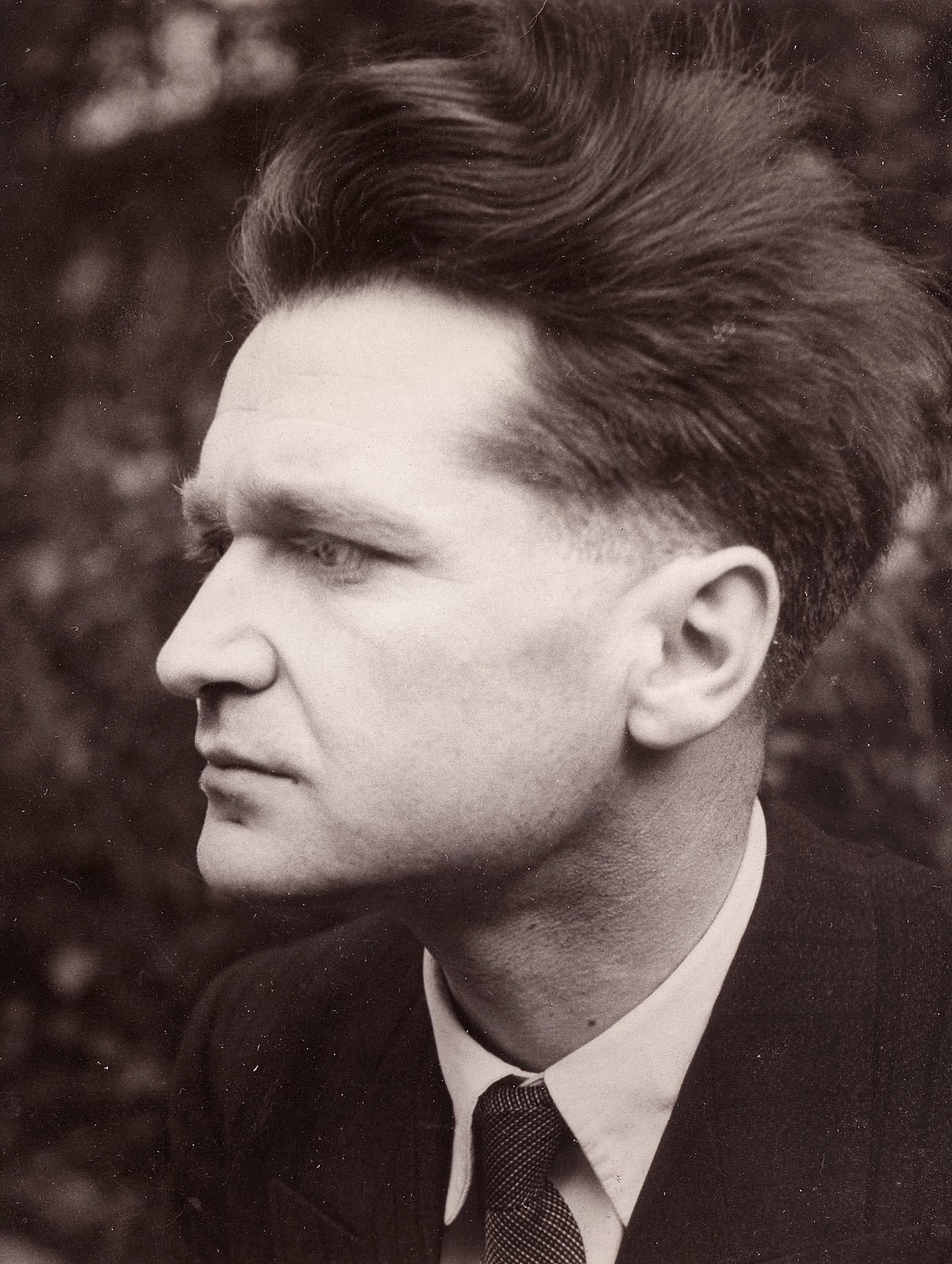
Emil Cioran, a name that resonates within the realms of philosophy and literature, remains an enigmatic figure whose works continue to captivate readers and scholars alike. His life and writings offer a deep exploration of existentialism, skepticism, and the human condition, often wrapped in aphoristic brilliance. This article delves into the life of Emil Cioran, tracing his age, rise to fame, and the key highlights of his life that have made him a prominent figure in the world of philosophy and beyond.
Early Life and Background
Emil Cioran was born on April 8, 1911, in Rășinari, a small village in the region of Transylvania, then part of the Austro-Hungarian Empire, now modern-day Romania. His father was an Orthodox priest, and his mother was the president of the local Orthodox women’s association. Growing up in a religious household, Cioran was exposed to the existential questions and spiritual dilemmas that would later dominate his philosophical inquiries.
Academic Pursuits and Early Writings
Cioran pursued his higher education at the University of Bucharest, where he graduated with a thesis on the philosophy of Henri Bergson, a French thinker known for his ideas on time and consciousness. This academic background laid the foundation for Cioran’s intellectual journey, one that would be marked by a deep disillusionment with the human condition.
His early works, such as “On the Heights of Despair” (1934) and “The Book of Delusions” (1936), reflect a young philosopher grappling with profound existential angst. These writings, marked by their fragmentary nature, are filled with a sense of despair and nihilism that would become hallmarks of Cioran’s style.
Move to France and the Evolution of Thought
In 1937, Cioran received a scholarship that allowed him to move to Paris, a city that would become his home for the rest of his life. Paris, with its rich intellectual environment, provided Cioran with the perfect backdrop to refine his thoughts and writings. He famously remarked that Paris was “the only city in the world where one could be poor without shame, without complications, without dramas… the ideal city for a failure.”
Before leaving Romania, Cioran self-published “Tears and Saints” (1937), a work that further explored his disillusionment with religion and the human pursuit of meaning. This was followed by “The Twilight of Thoughts” (1940), his last book written in Romanian. From this point onward, Cioran would write exclusively in French, a language he found more suited to his terse, aphoristic style.
Major Works and Philosophical Contributions
Cioran’s first major work in French, “A Short History of Decay” (1949), marked a significant shift in his philosophical outlook. The vitality and rebellion evident in his earlier works gave way to a more profound skepticism and an embrace of nihilism. Cioran’s writing style, characterized by brevity and sharp wit, made his thoughts more accessible, yet no less profound.
“Syllogisms of Bitterness” (1952) is another notable work, a collection of aphorisms that delve into the corrosive nature of existence. In “The Temptation to Exist” (1956), one of his most enduring successes, Cioran examines the paradoxes of existence, the futility of human endeavors, and the ever-present temptation to simply exist without purpose.
In “History and Utopia” (1960), Cioran critiques the utopian ideals that have shaped much of human history, arguing that such dreams inevitably lead to oppression and tyranny. This work is particularly relevant in understanding the dangers of ideological extremism, a theme that resonates with contemporary readers.
“The Fall into Time” (1964) is another significant work, where Cioran reflects on the passage of time and the inevitability of decay. He famously declared that the last seven pages of this book were “the most serious thing I have ever written,” underscoring the depth of his engagement with the theme of time.
Later Years and Continued Influence
As Cioran aged, his writings became increasingly introspective. “The Trouble with Being Born” (1973) is one of his most celebrated works, where his mastery of the philosophical fragment reaches new heights. This book, which Cioran claimed to love the most, explores the absurdity of life and the burden of existence with unparalleled clarity.
“The New Gods” (1969) and “Drawn and Quartered” (1979) further explore Cioran’s engagement with Gnostic and Eastern thought, as he searched for a more authentic approach to reality. These works reveal a thinker who was not content with mere philosophical musings but sought to challenge the very foundations of existence.
In “Exercises in Admiration” (1986), Cioran offers portraits of cultural figures like Guido Ceronetti, Mircea Eliade, and Jorge Luis Borges. The book also contains an extensive essay on Joseph de Maistre, showcasing Cioran’s deep appreciation for those who, like him, grappled with the darker aspects of life.
His final work, “Confessions and Anathemas” (1987), can be seen as a literary testament. Cioran described it as a “book-testament, which bears witness to both a total rupture and a certain serenity founded on nothingness.” This statement encapsulates the essence of Cioran’s philosophy—an acceptance of the void, yet a defiant refusal to succumb to it.
Legacy and Continued Relevance
Emil Cioran passed away in Paris on June 20, 1995, but his legacy lives on. His works continue to be studied and admired for their incisive critique of the human condition and their exploration of existential themes. Cioran’s ability to distill complex philosophical ideas into pithy aphorisms has earned him a unique place in the history of philosophy.
Cioran’s influence extends beyond academia. His thoughts on nihilism, despair, and the absurd have resonated with a wide audience, from intellectuals to artists, and even to those simply seeking to understand the darker aspects of life. His works have been translated into numerous languages, ensuring that his ideas reach a global audience.
In an era where existential questions are increasingly relevant, Cioran’s writings offer a poignant reminder of the fragility of existence and the often-overlooked beauty of embracing life’s inherent absurdity. His thoughts on the futility of human endeavors, the inevitability of decay, and the temptation to simply exist without purpose continue to challenge readers to confront the uncomfortable truths about life.
Conclusion
Emil Cioran remains a towering figure in the world of philosophy and literature. His life, marked by a relentless quest for truth and an unwavering commitment to exploring the depths of human existence, offers valuable insights into the nature of life itself. From his early years in Romania to his final days in Paris, Cioran’s journey was one of intellectual rigor and profound contemplation.
His works, filled with wit, skepticism, and a deep understanding of the human condition, continue to inspire and provoke thought. For those interested in existentialism, nihilism, or simply seeking a deeper understanding of life, Emil Cioran’s writings are an invaluable resource. His legacy is one of enduring relevance, offering timeless reflections on the complexities of existence that are as pertinent today as they were during his lifetime.


