
Introduction
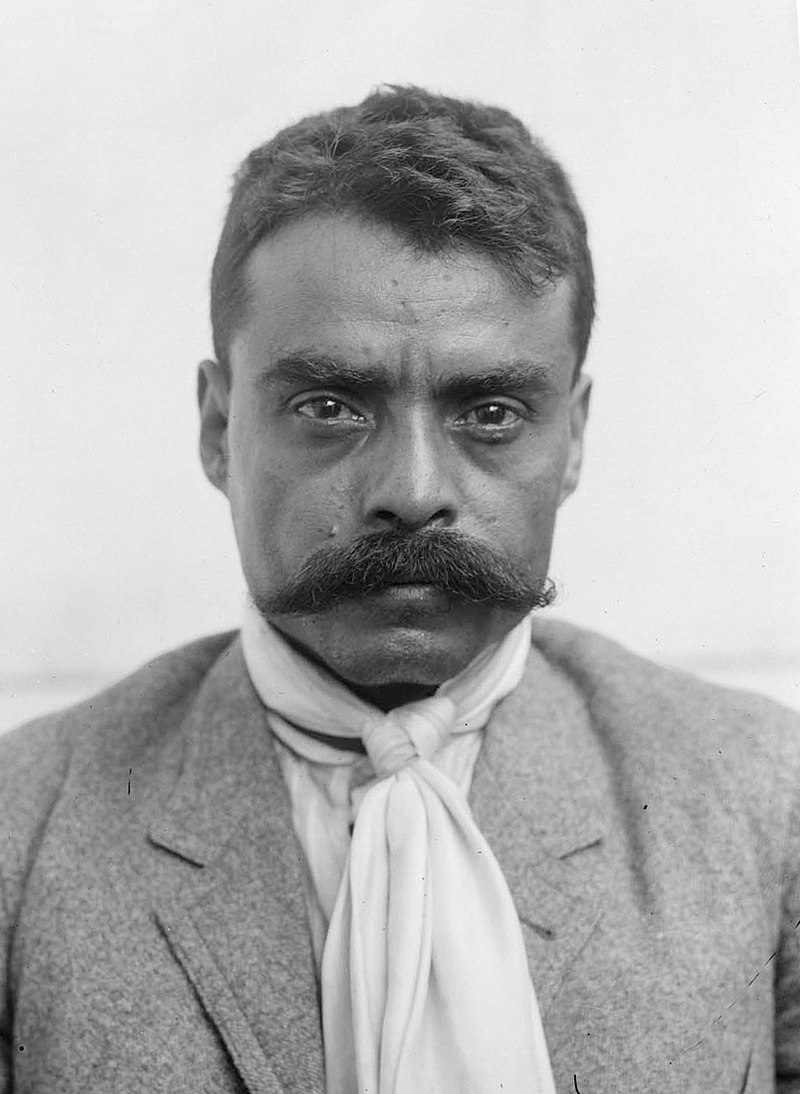
Emiliano Zapata is a name that resonates deeply within the annals of Mexican history. Known as one of the principal leaders of the Mexican Revolution, Zapata’s life was marked by his unwavering commitment to land reform and social justice. Born on August 8, 1879, in the small town of Anenecuilco, Morelos, Zapata grew from humble beginnings to become an iconic figure whose influence extended far beyond his lifetime. This article delves into the life, achievements, and lasting legacy of Emiliano Zapata, exploring the nuances and historical context that shaped his journey from a poor indigenous youth to a revolutionary leader whose name continues to inspire movements for justice and equality.
Early Life and Background
Emiliano Zapata was born into a world of stark contrasts. While Mexico’s elite enjoyed immense wealth and power, the majority of its population lived in poverty, particularly in rural areas like Morelos. Zapata’s birthplace, Anenecuilco, was a small village dominated by the large estates of wealthy landowners who exercised significant control over the lives of the local indigenous people.
Zapata was the ninth of ten children in a poor, indigenous family. His father, Gabriel Zapata, was a mestizo farmer, and his mother, Cleofas Salazar, was of Nahua descent. Growing up, Zapata was exposed to the harsh realities of rural life under the oppressive regime of Porfirio Díaz, whose policies favored the wealthy landowners at the expense of the indigenous and peasant populations.
Formation of Revolutionary Ideals
Zapata’s revolutionary ideals were shaped by his early experiences with social injustice and the teachings of his mentors. At a young age, he became aware of the struggles faced by his community as they fought to retain their ancestral lands. The local landowners, supported by the Díaz government, frequently encroached on communal lands, dispossessing the indigenous people and forcing them into servitude.
After the death of his parents, Zapata was forced to leave school and work as a farmer to support his family. Despite these hardships, he continued to educate himself, learning both Spanish and Nahuatl, the indigenous language of his people. His exposure to revolutionary literature, particularly the works of anarchist thinkers like Peter Kropotkin, further fueled his desire for social change.
Zapata’s involvement in local politics began in 1909 when he was elected as the mayor (calpuleque) of his village, Anenecuilco. This position allowed him to actively advocate for the rights of his people, leading him to become a vocal critic of the Díaz regime and its policies of land expropriation.
The Mexican Revolution: Zapata’s Rise to Prominence
The Mexican Revolution, which began in 1910, provided the perfect backdrop for Zapata’s emergence as a national leader. The revolution was initially sparked by Francisco I. Madero’s call to arms against the dictatorship of Porfirio Díaz. Madero’s slogan, “Sufragio Efectivo, No Reelección” (“Effective Suffrage, No Re-election”), resonated with many Mexicans who were tired of Díaz’s 30-year rule.
Zapata, however, was more focused on the issue of land reform. He believed that the only way to achieve true social justice was to return the land to those who worked it—the indigenous and peasant communities. This belief was encapsulated in his famous slogan, “Tierra y Libertad” (“Land and Liberty”).
In 1911, after Díaz was forced to resign, Zapata issued the “Plan de Ayala,” a manifesto that outlined his vision for land reform. The plan called for the immediate redistribution of land to the peasants and the overthrow of any government that did not support these reforms. Zapata’s unwavering commitment to land reform set him apart from other revolutionary leaders and made him a hero to the rural poor.
Zapata as a Military Leader
As the leader of the Liberation Army of the South, Zapata became known for his strategic prowess and his ability to inspire loyalty among his followers. His army, made up mostly of indigenous peasants, waged a relentless guerrilla war against the federal forces and rival revolutionary factions.
Zapata’s tactics were highly effective in the mountainous terrain of southern Mexico. He and his men would strike quickly and then disappear into the rugged landscape, making it difficult for their enemies to track them down. This style of warfare, coupled with Zapata’s deep connection to his people, made him a formidable force in the revolution.
Zapata’s influence was not limited to the battlefield. He also played a key role in shaping the political landscape of post-revolutionary Mexico. His insistence on land reform forced other revolutionary leaders, including Pancho Villa and Venustiano Carranza, to address the issue in their own policies. However, Zapata’s refusal to compromise on his principles often put him at odds with other factions of the revolution, leading to tensions and conflicts that would eventually contribute to his downfall.
The Plan de Ayala: Zapata’s Vision for Mexico
The Plan de Ayala, issued in November 1911, remains one of Zapata’s most significant contributions to the Mexican Revolution. The document was a direct response to the perceived betrayal of the revolutionary cause by Francisco I. Madero, who had become president after Díaz’s resignation but failed to implement the land reforms that Zapata and his followers demanded.
The Plan de Ayala declared Madero a traitor and called for his removal from office. It also outlined a detailed program for land redistribution, stating that all lands taken from the peasants by the “hacendados” (large landowners) should be returned immediately. If the landowners refused to comply, the plan called for the expropriation of their properties by force if necessary.
Zapata’s vision for Mexico was one in which the indigenous and peasant populations would have control over their own land and destinies. This vision was radical for its time and faced significant opposition from both the Mexican elite and other revolutionary leaders who were more interested in gaining political power than in addressing the needs of the rural poor.
The Struggles and Setbacks
Despite his successes on the battlefield, Zapata’s revolution faced numerous challenges. The fractured nature of the revolutionary movement meant that alliances were often short-lived and fraught with tension. Zapata’s insistence on land reform alienated potential allies who were more concerned with political power than with social justice.
In 1914, Zapata and Pancho Villa briefly allied to take control of Mexico City, but their partnership was short-lived. The Convention of Aguascalientes, held later that year, failed to produce a unified revolutionary government, leading to further infighting among the various factions.
Zapata’s refusal to compromise on his principles made him a target for assassination. In 1919, he was lured into an ambush and killed by forces loyal to Venustiano Carranza, the president of Mexico at the time. Zapata’s death marked the end of the revolution in southern Mexico, but his legacy lived on.
The Legacy of Emiliano Zapata
Emiliano Zapata’s legacy is one of enduring significance in Mexican history and beyond. He is remembered as a champion of the poor and marginalized, a leader who fought not for personal gain but for the rights of his people. His vision of land reform, although not fully realized during his lifetime, laid the groundwork for future agrarian movements in Mexico and other parts of Latin America.
Zapata’s influence can be seen in the Zapatista movement of the 1990s, which adopted his name and principles in their struggle for indigenous rights and autonomy in the southern state of Chiapas. The Zapatistas, like their namesake, sought to challenge the status quo and to create a society based on social justice and equality.
In popular culture, Zapata remains an iconic figure. He has been the subject of countless books, films, and songs, and his image continues to be a symbol of resistance against oppression. The phrase “Zapata vive, la lucha sigue” (“Zapata lives, the struggle continues”) is often chanted at protests and demonstrations, a testament to the lasting impact of his life and ideals.
Conclusion
Emiliano Zapata’s life is a testament to the power of conviction and the enduring impact of a leader who remains true to his principles. From his humble beginnings in the rural village of Anenecuilco to his rise as a revolutionary leader, Zapata’s story is one of courage, resilience, and an unwavering commitment to social justice. His legacy continues to inspire those who fight for the rights of the oppressed, and his name remains synonymous with the struggle for land and liberty in Mexico and beyond.


