
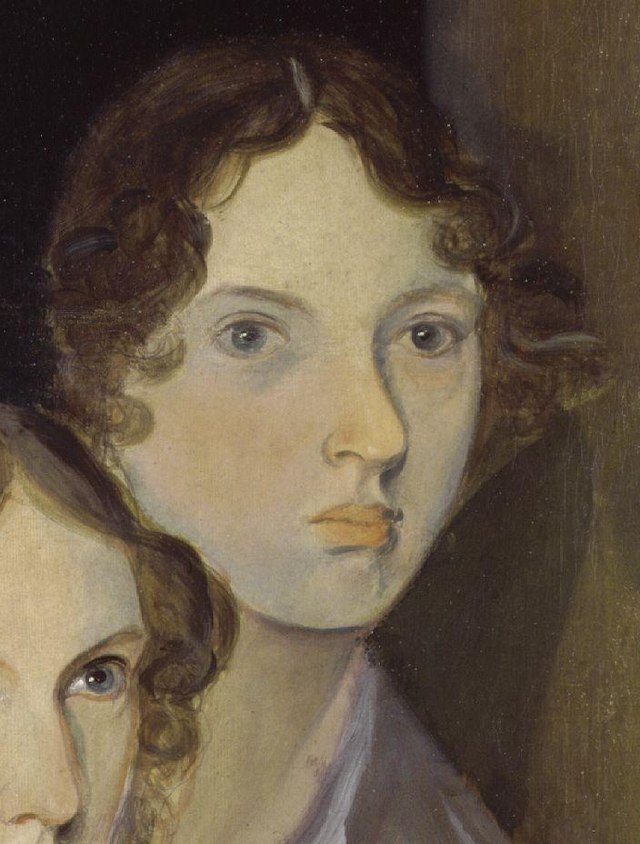
Introduction
Emily Brontë is a towering figure in English literature, known for her deeply emotive and evocative writing style. Born on July 30, 1818, in Thornton, Yorkshire, England, she was one of the six children of the Reverend Patrick Brontë and Maria Branwell Brontë. Emily’s life, though brief, was marked by intense literary creativity, which culminated in the creation of her only novel, “Wuthering Heights.” This article delves into the life of Emily Brontë, exploring her age at various milestones, the fame she achieved both during and after her life, and the significant highlights that define her legacy.
Early Life and Education
Emily Brontë was born into a family that would go on to become one of the most famous literary families in history. After moving to Haworth in 1820, where her father was assigned to the church of Saint Michael and All Angels, the Brontë family faced several tragedies. Emily’s mother, Maria Branwell, died in 1821, leaving her children to be raised by their aunt, Elizabeth Branwell. The early death of her mother and later the deaths of her older sisters, Maria and Elizabeth, from tuberculosis, had a profound effect on Emily, shaping her somber outlook on life.
The Brontë children, including Emily, were educated primarily at home by their father and through self-instruction. The harsh environment of the Yorkshire moors, combined with the isolation of their home, greatly influenced the imaginations of Emily and her siblings. They created intricate fantasy worlds and stories, which became a fertile ground for their literary endeavors.
The Literary Awakening: Poetry and Prose
Emily Brontë’s literary talents were first expressed through poetry. Alongside her sisters, Charlotte and Anne, Emily began to write poetry during her teenage years. Her first recorded poem dates back to July 12, 1836, marking the beginning of her journey as a writer. Emily’s poems were intense and reflective of her inner world, characterized by a deep connection to nature and an exploration of complex emotions.
In 1844, Emily began transcribing her poems into notebooks, two of which would later become the foundation of her published work. It was Charlotte who discovered Emily’s hidden talent and urged her to publish her poems. The result was the 1846 publication of “Poems by Currer, Ellis, and Acton Bell,” with Emily writing under the pseudonym Ellis Bell. The use of a male pseudonym was necessary at the time to ensure that their work would be taken seriously, as female authors often faced significant prejudice.
“Wuthering Heights”: A Masterpiece of Gothic Fiction
In 1847, Emily Brontë published her magnum opus, “Wuthering Heights,” under the pseudonym Ellis Bell. This novel, now considered a classic of English literature, was initially met with mixed reviews. The book’s dark, brooding atmosphere, complex narrative structure, and its exploration of intense emotions and destructive passions were unprecedented at the time. The character of Heathcliff, in particular, became one of the most enigmatic and controversial figures in literary history.
“Wuthering Heights” is notable for its innovative use of multiple narrators and its non-linear narrative. The novel’s themes of revenge, love, social class, and the supernatural were far ahead of its time, contributing to its enduring legacy. The setting of the Yorkshire moors plays a crucial role in the novel, symbolizing the wild and untamed nature of its characters.
The Short Life of a Literary Genius
Emily Brontë’s life was tragically short. In September 1848, she caught a cold at the funeral of her brother, Branwell Brontë, who had succumbed to tuberculosis. Her health rapidly deteriorated, and despite her family’s pleas, Emily refused medical help, maintaining a stoic attitude towards her illness. On December 19, 1848, at the age of 30, Emily Brontë passed away from tuberculosis.
Emily’s death marked the end of a brief but intensely creative life. She left behind a literary legacy that would continue to grow in stature over the years. While she did not live to see the full impact of her work, “Wuthering Heights” gradually gained recognition as one of the most important novels in the English language.
Posthumous Fame and Influence
Emily Brontë’s fame grew significantly after her death. “Wuthering Heights” underwent numerous reprints and critical re-evaluations, eventually being recognized as a masterpiece of Gothic literature. The novel’s influence can be seen in countless works of literature, film, and even music. The 1939 film adaptation of “Wuthering Heights,” starring Laurence Olivier, brought the story to a wider audience and solidified its place in popular culture.
In addition to her novel, Emily’s poetry also received increased attention. Her poems, once overshadowed by her novel, are now celebrated for their lyrical beauty and depth of feeling. Critics and scholars have praised Emily Brontë’s ability to convey the complexities of human emotion and her unique voice in English literature.
The Historical and Cultural Context
To fully appreciate Emily Brontë’s work, it is important to consider the historical and cultural context in which she wrote. The early 19th century was a period of significant social and economic change in England. The Industrial Revolution was transforming the country, leading to the growth of cities and the decline of rural communities like Haworth. These changes, along with the strict social norms of the Victorian era, influenced the themes and characters in Emily’s work.
The Brontë family’s Irish ancestry and their father’s position as a clergyman also played a role in shaping Emily’s worldview. The Brontës were outsiders in many ways, living in a remote village and holding unconventional views on religion, society, and gender roles. These experiences are reflected in the defiant and independent spirit of Emily’s characters, particularly Catherine Earnshaw and Heathcliff.
The Legacy of Emily Brontë
Emily Brontë’s legacy extends beyond her contributions to literature. She is often seen as a symbol of the struggles faced by women writers in a male-dominated society. Her decision to write under a male pseudonym highlights the challenges that women faced in gaining recognition for their work. Despite these obstacles, Emily’s writing has had a lasting impact on generations of readers and writers.
Today, “Wuthering Heights” is studied in schools and universities around the world, and Emily Brontë is revered as one of the greatest novelists of all time. Her work continues to inspire adaptations, reinterpretations, and new creative works, proving that her influence remains as strong as ever.
Conclusion
Emily Brontë’s life was marked by tragedy, but also by extraordinary literary achievement. Her ability to capture the raw emotions of her characters, combined with her innovative narrative techniques, has earned her a place among the literary giants. Although she published only one novel, “Wuthering Heights,” its impact has been profound and lasting. Emily Brontë’s story is one of resilience, creativity, and the enduring power of literature.


