
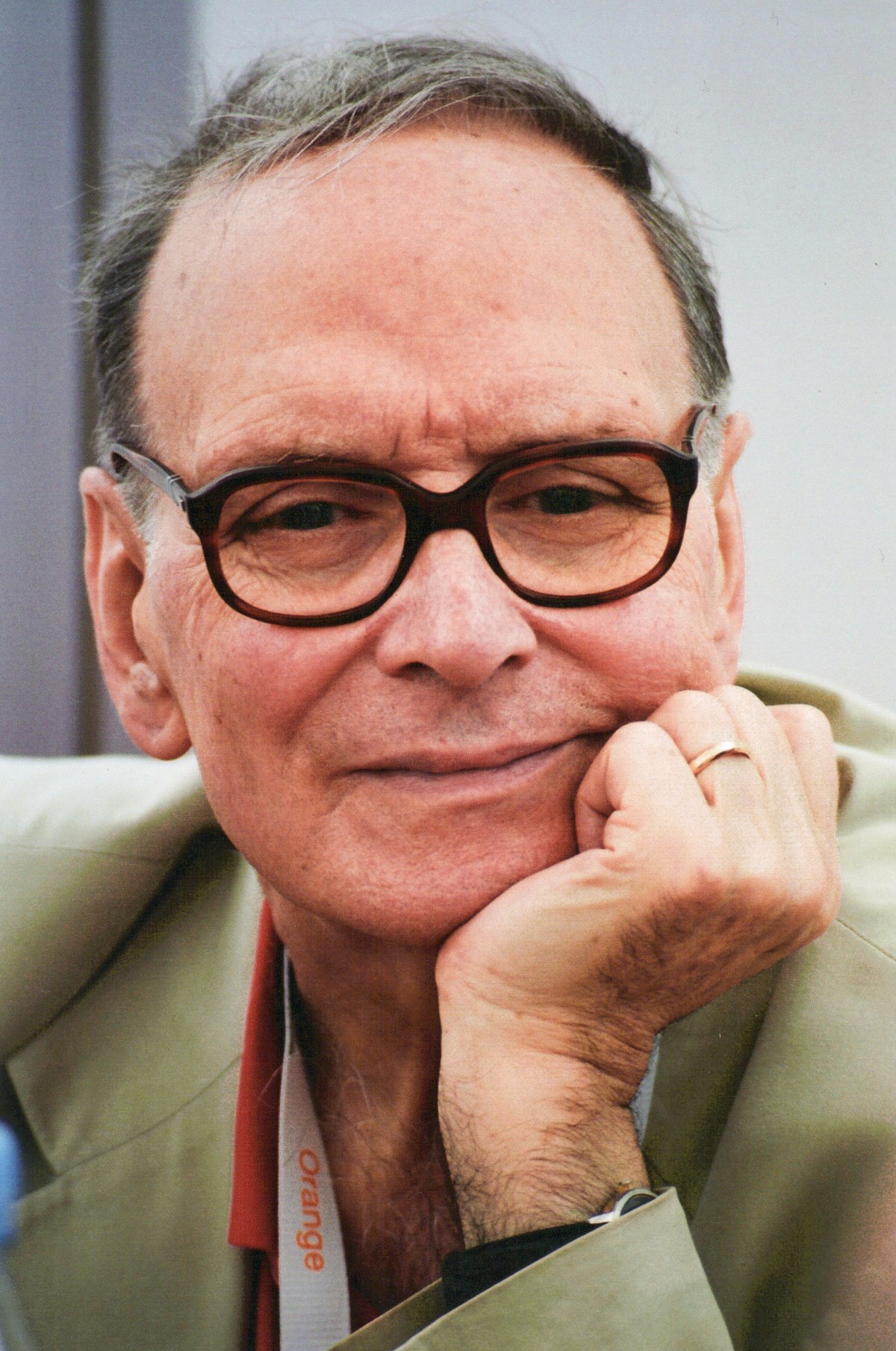
Ennio Morricone is a name synonymous with some of the most iconic film scores in cinematic history. His music has transcended the boundaries of traditional movie soundtracks, becoming cultural touchstones that define entire genres and eras of film. Born on November 10, 1928, in Rome, Italy, Morricone’s career spanned over six decades, leaving an indelible mark on the world of music and film. He was not only a composer but also an orchestrator, conductor, and former trumpet player, whose contributions have influenced countless musicians and filmmakers around the globe.
Early Life and Musical Beginnings
Ennio Morricone grew up in a musically inclined family. His father, Mario Morricone, was a trumpet player, which significantly influenced Ennio’s early exposure to music. He began studying the trumpet at a young age, demonstrating a keen interest and talent in music that would set the foundation for his future career. By the age of 12, Morricone was enrolled at the Accademia Nazionale di Santa Cecilia, one of Italy’s most prestigious music schools, where he studied trumpet, composition, and choral music. This early education provided him with a solid grounding in both classical and contemporary musical traditions, allowing him to develop a versatile approach to composition that would later become his signature style.
Rise to Fame: The Birth of a Unique Sound
Morricone’s rise to fame began in the early 1960s when he started composing music for Italian films. His unique sound, characterized by the innovative use of instruments, experimental techniques, and a blend of classical and modern elements, quickly set him apart from his contemporaries. He gained international recognition with his work on the “Spaghetti Westerns,” particularly the films directed by Sergio Leone. The collaboration between Morricone and Leone began with the 1964 film A Fistful of Dollars, starring Clint Eastwood. This film was the first of what would become known as the “Dollars Trilogy,” which also included For a Few Dollars More (1965) and The Good, the Bad and the Ugly (1966).
These films showcased Morricone’s innovative approach to film scoring. Instead of traditional orchestral music, he employed unconventional instruments such as electric guitars, harmonicas, and whistling, combined with unique sounds like gunshots, whips, and animal noises. The result was a gritty, evocative soundscape that perfectly complemented Leone’s stark, stylized visuals. The theme from The Good, the Bad and the Ugly remains one of the most recognizable pieces of film music ever composed, its haunting melody and staccato rhythm instantly evocative of the Old West.
The Evolution of Ennio Morricone’s Music Style
Morricone’s style evolved throughout his career, encompassing a wide range of genres and styles. While he is best known for his work in Westerns, his oeuvre includes scores for dramas, thrillers, romances, and horror films. His ability to adapt his style to fit the mood and tone of each film made him one of the most versatile composers in the industry.
One of the hallmarks of Morricone’s music is his ability to convey complex emotions and themes through his compositions. For example, in Once Upon a Time in the West (1968), another collaboration with Sergio Leone, Morricone used music to enhance the film’s narrative and emotional impact. The film’s score is notable for its use of leitmotifs—recurring musical themes associated with particular characters or ideas. Each main character has a distinct musical theme that reflects their personality and role in the story. The music becomes a character in its own right, driving the narrative and enhancing the emotional resonance of the film.
Morricone’s ability to create emotionally charged music is also evident in his work on The Mission (1986), directed by Roland Joffé. The film, set in 18th-century South America, tells the story of a Jesuit priest’s efforts to protect a remote indigenous tribe from Portuguese slave traders. Morricone’s score, which blends traditional orchestral music with indigenous instruments and melodies, captures the film’s themes of faith, sacrifice, and redemption. The soundtrack won the BAFTA Award for Best Original Film Music and was nominated for an Academy Award, solidifying Morricone’s reputation as a master composer.
International Recognition and Later Career
By the 1970s and 1980s, Morricone’s reputation had grown beyond the borders of Italy and the Western genre. He began to work on a wide variety of international films, collaborating with directors from all over the world. His ability to adapt to different cinematic styles and genres led to a prolific period in his career. Notable scores from this era include Days of Heaven (1978) by Terrence Malick, The Thing (1982) by John Carpenter, and The Untouchables (1987) by Brian De Palma. Each of these films featured a distinct musical style that highlighted Morricone’s versatility and creativity as a composer.
Morricone’s work in the 1990s and 2000s continued to garner acclaim. He composed scores for films such as Bugsy (1991), In the Line of Fire (1993), and The Hateful Eight (2015), for which he won his first competitive Academy Award for Best Original Score. This award was a long-overdue recognition of his immense contribution to the world of film music. At the time of his win, Morricone was 87 years old, making him one of the oldest recipients of the award in the category.
The Art of Film Scoring: Morricone’s Methodology
Ennio Morricone’s approach to film scoring was both meticulous and innovative. Unlike many composers who work in film, Morricone often composed his music before the film was even shot. This unusual method allowed his music to have a profound influence on the pacing, tone, and emotional impact of the film. Directors would often play Morricone’s music on set to help actors find the right mood for their performances, a testament to the powerful role his compositions played in the filmmaking process.
Morricone’s scores are characterized by their melodic richness, harmonic complexity, and innovative orchestration. He was known for his use of unusual instruments and sounds to create a unique musical palette. For instance, in Once Upon a Time in America (1984), directed by Sergio Leone, Morricone used the pan flute, glass harmonica, and ocarina to evoke the nostalgic and dreamlike quality of the film. His music often features a blend of traditional orchestral elements with contemporary sounds and techniques, creating a distinctive and timeless sound that has become synonymous with his name.
Awards and Legacy
Throughout his illustrious career, Ennio Morricone received numerous awards and honors, cementing his status as one of the greatest film composers of all time. In addition to his Academy Award win for The Hateful Eight, Morricone received an Honorary Academy Award in 2007 for his “magnificent and multifaceted contributions to the art of film music.” He also won three Grammy Awards, three Golden Globes, six BAFTA Awards, and numerous other accolades from around the world.
Morricone’s influence extends beyond the realm of film music. His compositions have been sampled and covered by numerous artists across a wide range of genres, from rock and pop to hip-hop and electronic music. His ability to craft memorable melodies and evoke deep emotions through his music has inspired countless musicians and composers, ensuring that his legacy will continue to resonate for generations to come.
The Impact of Ennio Morricone on Popular Culture
Ennio Morricone’s music has had a profound impact on popular culture, influencing not only the world of cinema but also the broader musical landscape. His compositions have been used in countless films, television shows, commercials, and even video games, underscoring their versatility and enduring appeal. The iconic theme from The Good, the Bad and the Ugly has been referenced and parodied in numerous films and TV shows, becoming a cultural shorthand for the Western genre.
Morricone’s influence can also be seen in the work of contemporary composers and musicians. Many modern film composers, such as Hans Zimmer and Alexandre Desplat, have cited Morricone as a major influence on their work. His ability to blend different musical styles and genres, his innovative use of instrumentation, and his knack for creating memorable melodies have all left a lasting impact on the art of film scoring.
Ennio Morricone’s Personal Life and Philosophy
Despite his immense fame and success, Ennio Morricone remained a humble and private individual throughout his life. He was known for his dedication to his craft and his unwavering commitment to artistic integrity. Morricone was married to Maria Travia, with whom he had four children. His wife was a significant source of support and inspiration throughout his career, often assisting him with the lyrics for his compositions.
Morricone’s philosophy of music was deeply rooted in his belief in the power of melody and emotion. He often spoke about the importance of creating music that could stand on its own, independent of the film it was composed for. This belief in the autonomy of music is evident in the enduring popularity of his scores, which continue to captivate audiences long after the films have faded from memory.
The Final Years and Posthumous Recognition
In his final years, Morricone continued to compose and conduct, remaining active in the music industry well into his 80s. He embarked on several concert tours, conducting his music to sold-out audiences around the world. These performances were a testament to the enduring appeal of his music and his status as one of the greatest film composers of all time.
Ennio Morricone passed away on July 6, 2020, at the age of 91. His death marked the end of an era, but his music continues to live on, touching the hearts and minds of audiences around the world. In recognition of his contributions to music and film, numerous tributes and retrospectives have been organized, celebrating his life and legacy. His compositions remain a fixture in the repertoires of orchestras and ensembles worldwide, a testament to their timelessness and universal appeal.
Conclusion: The Enduring Legacy of Ennio Morricone
Ennio Morricone’s life and career were defined by his extraordinary talent, innovation, and passion for music. From his early days in Rome to his rise as one of the most celebrated film composers in history, Morricone’s journey is a testament to the power of creativity and dedication. His music has left an indelible mark on the world of film and popular culture, influencing generations of composers and musicians. As we look back on his remarkable life and achievements, it is clear that Ennio Morricone’s legacy will continue to inspire and captivate audiences for many years to come.
Morricone’s ability to create music that transcends the boundaries of film, his innovative approach to composition, and his profound impact on popular culture make him a true legend in the world of music and film. His work will forever be remembered as a testament to the power of music to move, inspire, and connect us all. Ennio Morricone was not just a composer; he was a master storyteller whose music continues to speak to the human experience, evoking emotions and memories that resonate across time and space.
As we reflect on his life and legacy, we celebrate a career that not only defined a genre but also changed the way we think about music in film. Ennio Morricone’s contributions to the art of film scoring are unparalleled, and his music will continue to be a source of inspiration and joy for generations to come.


