
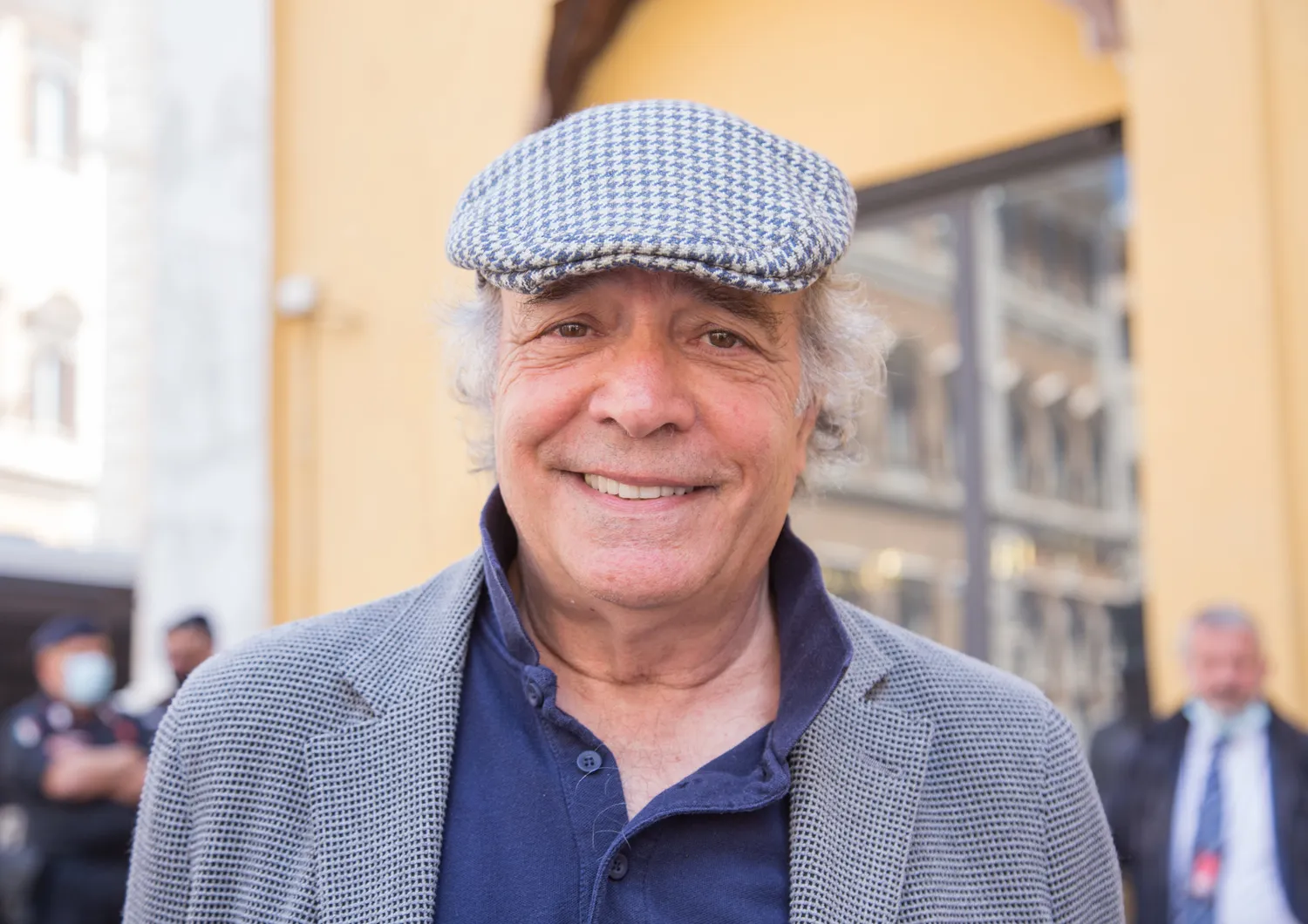
Enrico Montesano, born on June 7, 1945, in Rome, Italy, is a highly esteemed actor, comedian, and director whose career has spanned several decades. Known for his dynamic presence in Italian cinema, television, and theater, Montesano has become one of the most beloved and enduring figures in the Italian entertainment industry. With a career that began in the 1960s, Montesano has earned widespread acclaim for his versatility, wit, and ability to connect with audiences across multiple generations. This article delves into the life of Enrico Montesano, exploring his journey to fame, his contributions to the arts, and the significant milestones that have defined his illustrious career.
Early Life and Beginnings
Enrico Montesano was born into a family with a strong artistic background, which set the stage for his future in entertainment. Growing up in Rome, Montesano was exposed to the vibrant cultural scene of the city from a young age. His early years were marked by a deep fascination with the performing arts, which led him to pursue a career in acting.
Montesano’s first major foray into the world of entertainment came in 1966 when he debuted as an actor and impressionist at the Teatro Goldoni, a small theater in Rome. His early performances were characterized by his natural comedic talent and ability to captivate audiences with his sharp wit and charismatic stage presence. Working alongside the well-known humorist Vittorio Metz in the play “Humor Nero,” Montesano quickly established himself as a rising star in the Italian theater scene.
Rise to Fame: The Cabaret and Television Years
The late 1960s marked a significant period of growth for Enrico Montesano’s career. In the 1967-1968 theater season, he began performing in cabaret shows, a popular form of entertainment in Italy that combined comedy, music, and satire. Montesano joined the celebrated cabaret venue “Puff” in Trastevere, Rome, where he performed for two seasons. His work at Puff, under the guidance of Leone Mancini and Maurizio Costanzo, further honed his skills as a comedian and allowed him to develop a unique comedic style that blended humor with cultural and political commentary.
Montesano’s success in cabaret soon caught the attention of television producers, leading to his television debut in 1968 with the show “Che domenica amici,” directed by Vito Molinari and written by the famed duo Castellano and Pipolo. This marked the beginning of a long and successful career in Italian television, where Montesano became a household name.
From 1968 to 1970, Montesano continued to expand his television career while also performing with the renowned theater company Bagaglino. During this time, he worked alongside iconic figures such as Gabriella Ferri, further establishing his reputation as a versatile performer capable of both comedic and dramatic roles.
The 1970s: A Decade of Success and Innovation
The 1970s were a defining decade for Enrico Montesano as he transitioned from rising star to established entertainer. His performances in television variety shows and stage productions earned him critical acclaim and solidified his status as one of Italy’s leading comedians.
In 1973, Montesano starred in the television special “Io non c’entro,” a two-hour show that showcased his talent for creating memorable characters and delivering incisive social commentary. This was followed by a series of successful variety shows, including “Dove sta Zazà” (1974) and “Mazzabubù” (1975), both of which featured the legendary Gabriella Ferri. These shows were known for their humor, musical performances, and sketches that often satirized contemporary Italian society.
In 1977, Montesano co-authored and starred in “Quantunque io,” a television variety show that broke new ground by eschewing the traditional format of large orchestras and dance numbers in favor of quick-paced sketches, character-driven humor, and political satire. The show was a hit, earning RAI 2, the channel it aired on, the prestigious Montreux TV Award. Montesano’s ability to innovate within the genre of television variety shows set him apart as a creative force in Italian entertainment.
The 1980s and 1990s: Cinema and Further Success
As his television career flourished, Enrico Montesano also made significant strides in cinema. He appeared in more than 50 films throughout his career, often playing roles that combined his comedic flair with elements of drama. Some of his most notable films from this period include “Febbre da cavallo” (1976), directed by Steno, which became a cult classic in Italian cinema. In this film, Montesano played the character of Mandrake, a compulsive gambler whose misadventures provided audiences with a blend of humor and social commentary.
Montesano’s filmography is diverse, ranging from comedies like “Il marito in collegio” (1977) to more serious roles in films such as “Il ladrone” (1980) and “Camera d’albergo” (1981), directed by the esteemed Mario Monicelli. His ability to navigate different genres demonstrated his versatility as an actor and his capacity to engage audiences across a wide spectrum of emotions.
In 1988-1989, Montesano took on one of the most challenging roles of his career as the host of “Fantastico,” a popular Saturday night variety show. Hosting “Fantastico” was considered a significant test for any entertainer due to its demanding schedule and high expectations from both the network and viewers. Montesano’s performance was well-received, further cementing his status as a leading figure in Italian entertainment.
In the mid-1990s, Montesano transitioned to directing with the film “A me mi piace” (1994), for which he won the David di Donatello award for Best New Director. This achievement marked a new phase in his career, showcasing his talents behind the camera as well as in front of it.
During this period, Montesano also created and starred in the innovative sitcom “Pazza Famiglia” (1995), which was followed by a successful sequel, “Pazza Famiglia 2” (1996). These shows were lauded for their fresh approach to comedy, blending traditional Italian humor with modern storytelling techniques.
Theater: A Lifelong Passion
While Enrico Montesano achieved fame through his work in television and cinema, theater remained a central part of his career. His theatrical work is characterized by a deep commitment to the craft of acting and a passion for live performance.
Montesano’s theater career took off with the production of “Rugantino” in the 1978-1979 season, a role that became one of his signature performances. “Rugantino,” a musical comedy set in 19th-century Rome, allowed Montesano to showcase his talents as both an actor and a singer, and it remains one of the most beloved productions in Italian theater history.
Following “Rugantino,” Montesano continued to deliver memorable performances in a series of successful stage productions, including “Se il Tempo fosse un Gambero,” “Cercasi tenore,” and “Meno male che c’è Maria!” The latter featured Montesano alongside Barbara d’Urso and was directed by Pietro Garinei, one of Italy’s most renowned theater directors.
In addition to his work in traditional theater, Montesano also ventured into one-man shows with his monologue “Trash – Non si butta via niente,” which explored themes of consumerism and waste with his characteristic humor and insight.
Awards and Recognition
Enrico Montesano’s contributions to the arts have been recognized with numerous awards and honors throughout his career. In addition to the David di Donatello award for Best New Director, he has received three special David di Donatello awards for his performances in film, as well as a Nastro d’Argento, another prestigious Italian film award.
His theatrical work has also been honored with two IDI (Istituto del Dramma Italiano) awards, one for “Bravo!” in 1980-1981 and another for “Beati Voi!” in 1992-1993. These awards reflect Montesano’s ability to captivate audiences and critics alike with his performances, whether on stage, in film, or on television.
Legacy and Continuing Influence
Enrico Montesano’s impact on Italian entertainment is undeniable. His career has spanned over five decades, during which he has remained a vital and influential figure in the industry. His ability to adapt to changing times, embrace new forms of media, and continually reinvent himself has ensured that he remains relevant to both longtime fans and new audiences.
Montesano’s work is characterized by a deep connection to Italian culture, particularly the rich traditions of Roman humor and satire. He has used his platform to comment on social and political issues, often with a light touch that makes his work accessible to a broad audience. His characters, whether on screen or stage, often reflect the complexities of everyday life, offering both laughter and reflection.
As he continues to work in the industry, Enrico Montesano remains a beloved figure in Italian entertainment. His contributions have left an indelible mark on the fields of theater, cinema, and television, and his legacy as one of Italy’s greatest entertainers is secure.
In conclusion, Enrico Montesano is more than just a comedian or actor; he is a cultural icon whose work has shaped Italian entertainment for generations. From his early days in cabaret to his award-winning performances in film and theater, Montesano’s career is a testament to the power of creativity, humor, and perseverance. His ability to connect with audiences and bring joy to millions is a legacy that will endure for years to come.


