
Introduction
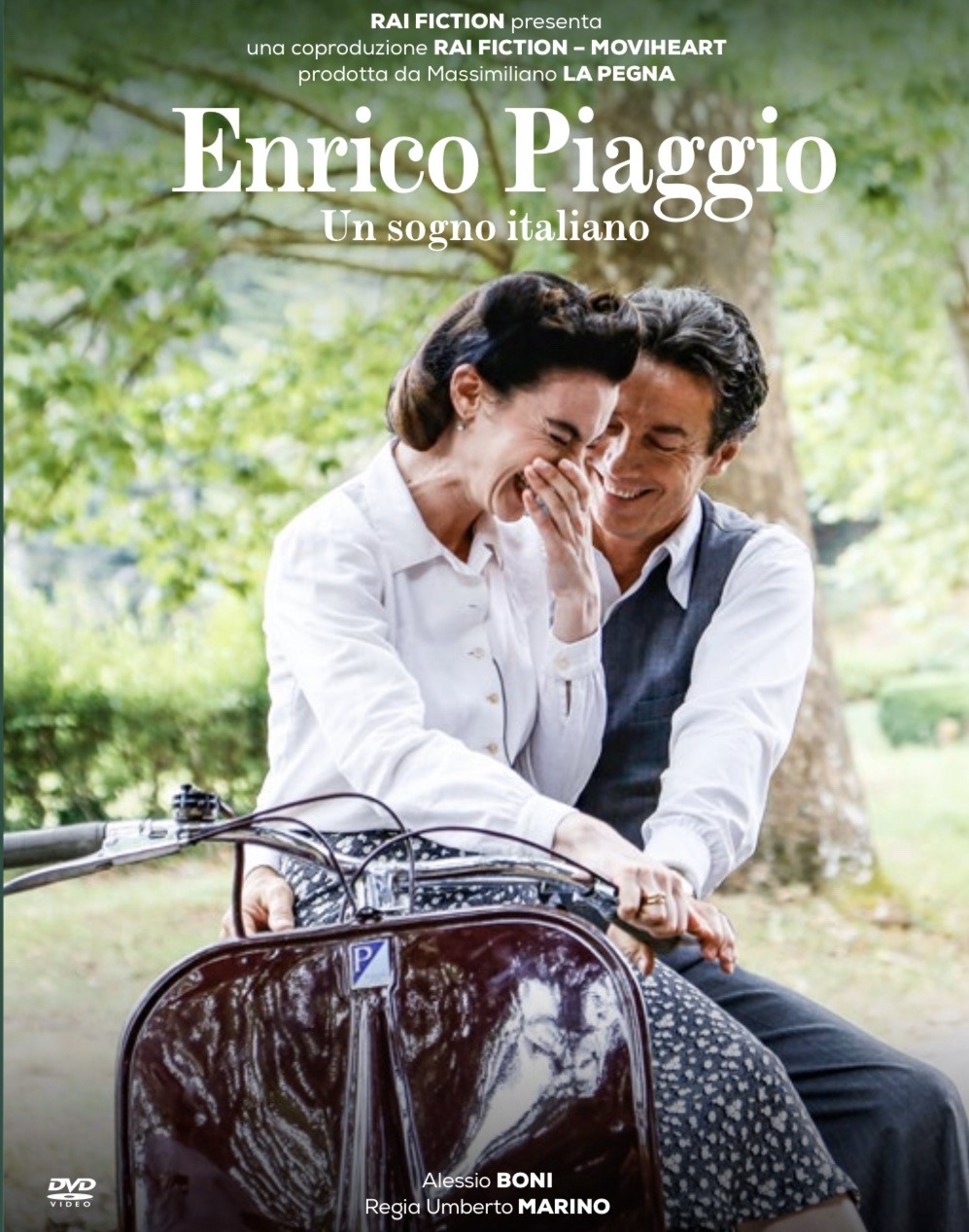
Enrico Piaggio, born on February 22, 1905, in Pegli, Italy, is a name that resonates deeply in the annals of industrial innovation and Italian entrepreneurship. As the man behind the creation of the Vespa scooter, Piaggio transformed personal transportation in post-war Europe, contributing significantly to Italy’s economic recovery and cultural identity. His legacy is not just in the products that bore his family name but in the profound impact he had on the mobility and industrial landscape of the 20th century. This article delves into the life, achievements, and enduring influence of Enrico Piaggio, offering detailed insights into his journey from a family-run business to becoming an icon of Italian ingenuity.
Early Life and Family Background
Enrico Piaggio was born into a well-established family of entrepreneurs in Pegli, a small town near Genoa, Italy. His father, Rinaldo Piaggio, was already a prominent figure in the Italian industrial sector, having founded the Piaggio company in 1884. Initially, the company was involved in producing luxury ship fittings and later expanded into railway carriages and aircraft during World War I. This diversification laid the groundwork for the company’s future endeavors under Enrico’s leadership.
Enrico Piaggio pursued his education in economics and commerce, graduating from the University of Genoa in 1927. Equipped with a solid academic foundation and a deep understanding of the family business, he joined the Piaggio company shortly after graduation. His entry into the company marked the beginning of a new chapter for the business, which was already making significant strides in the aviation sector.
The 1930s: Expansion and Challenges
By the late 1920s, Piaggio & Co. had established itself as a major player in the aeronautics industry, with factories in Liguria and Tuscany producing aircraft parts and complete airplanes. Enrico, alongside his older brother Armando, took over the reins of the company following their father’s death in 1938. Enrico was tasked with managing the aviation sector, which was rapidly growing in importance due to the increasing demand for military aircraft.
The 1930s were a period of both expansion and challenge for the Piaggio company. The global economic crisis of the era and the rising political tensions in Europe meant that the company had to navigate a complex and often turbulent business environment. Despite these challenges, Enrico Piaggio’s leadership helped the company innovate and remain competitive. One of the key hires during this period was Corradino D’Ascanio, an aeronautical engineer whose later work would be instrumental in the development of the Vespa.
Under Enrico’s direction, Piaggio developed several innovative aircraft, including the P.108, the company’s first four-engine bomber. However, the onset of World War II brought significant hardships. The company’s factories, especially those in Pontedera, were heavily targeted by Allied bombings, leading to extensive damage and a severe disruption in production.
Surviving World War II
World War II was a tumultuous period for Piaggio, as the company’s aeronautical production was heavily involved in the war effort. The conflict brought both opportunities and significant risks. The demand for military aircraft led to increased production, but it also made Piaggio’s facilities prime targets for bombing raids. The Pontedera plant, in particular, suffered extensive damage during the war, which would later necessitate a complete reevaluation of the company’s direction.
In a personal turn of events, Enrico Piaggio himself narrowly survived an assassination attempt in 1943. While staying at the Hotel Excelsior in Florence, Piaggio was attacked by an officer of the Italian Social Republic (Repubblica di Salò) after refusing to stand during a speech by General Rodolfo Graziani. The attack left Piaggio severely injured, requiring emergency surgery to remove a kidney. This event, occurring amidst the chaos of war, underscored the volatility of the period.
Post-War Rebirth: The Birth of the Vespa
With the end of World War II in 1945, Italy faced the enormous task of rebuilding its economy and infrastructure. The Piaggio company, like many others, was in a state of disarray. The war had decimated much of its industrial capacity, particularly in aviation. Enrico Piaggio, recognizing the need to pivot away from military production, made the bold decision to shift the company’s focus to a new, innovative product that could meet the needs of post-war Italy.
The idea was simple but revolutionary: create an affordable, efficient, and easy-to-use mode of transportation for the masses. This vision led to the development of the Vespa, a scooter that would soon become a global icon. The initial prototype, known as the MP5 or “Paperino” (Italian for Donald Duck, due to its odd shape), was developed in Biella, where the company had relocated part of its operations during the war.
Unsatisfied with the Paperino’s design, Enrico Piaggio tasked Corradino D’Ascanio with reimagining the scooter. D’Ascanio, who had a background in aircraft design, approached the project with a fresh perspective. He created a scooter with a unibody chassis, a direct-drive engine, and a gear shifter on the handlebars—features that made the Vespa both user-friendly and mechanically simple. The design also allowed for easy tire changes, an important consideration for post-war roads.
In April 1946, the Vespa was officially patented, and production began. The name “Vespa,” which means “wasp” in Italian, was reportedly chosen by Enrico Piaggio himself after he remarked that the scooter’s narrow body and buzzing sound resembled a wasp. The first models were met with skepticism, but Piaggio’s marketing strategies, including offering installment payment plans, helped the Vespa gain traction. By 1947, over 10,000 units had been sold, and the Vespa was well on its way to becoming a symbol of freedom and mobility in post-war Europe.
The Vespa: A Cultural Phenomenon
The Vespa’s success was not merely a commercial one; it became a cultural phenomenon, symbolizing a new era of personal mobility. In a country ravaged by war, the Vespa represented hope, freedom, and a return to normalcy. It was accessible to a wide range of people, from urban professionals to rural farmers, and its affordable price and low running costs made it an attractive alternative to cars.
The Vespa’s popularity quickly spread beyond Italy. By the early 1950s, Piaggio had established licensing agreements in several countries, including the United Kingdom, France, Germany, and Spain, allowing for local production of the scooter. The Vespa became a global icon, with over a million units sold by 1956.
In popular culture, the Vespa was immortalized in the 1953 film “Roman Holiday,” starring Gregory Peck and Audrey Hepburn. The scenes of Hepburn riding a Vespa through the streets of Rome captured the imagination of audiences worldwide, further boosting the scooter’s status as a symbol of style and sophistication.
Expanding the Piaggio Brand: The Ape and Beyond
Enrico Piaggio’s vision extended beyond the Vespa. Recognizing the need for a versatile, affordable vehicle for small businesses, he commissioned the development of the Ape, a three-wheeled light commercial vehicle. Launched in 1947, the Ape (Italian for “bee”) was based on the Vespa’s design but featured a small cargo bed, making it ideal for transporting goods in narrow urban streets or rural roads.
The Ape was an immediate success, particularly in Italy, where it became a staple for small businesses, farmers, and craftsmen. Its low cost, durability, and adaptability made it a vital tool in the post-war economic recovery. The Ape’s success reinforced Piaggio’s reputation as a company that understood and responded to the needs of everyday people.
In the 1950s, Piaggio continued to innovate, expanding its product line and entering new markets. One notable venture was the development of the Vespa 400, a small car designed to compete with other microcars of the era. Although the Vespa 400 did not achieve the same level of success as the scooter, it demonstrated Piaggio’s willingness to explore new ideas and push the boundaries of what was possible in automotive design.
Challenges and Legacy in the 1960s
The 1960s brought both success and challenges for Enrico Piaggio and his company. The Vespa continued to enjoy widespread popularity, and Piaggio’s workforce grew to over 10,000 employees. However, the decade also saw increasing competition in the scooter market and economic challenges that began to strain the company’s resources.
In 1964, Enrico and his brother Armando decided to separate their business interests, leading to the creation of two distinct companies: Piaggio & Co., focused on two-wheeled vehicles, and Industrie Aeronautiche e Meccaniche Piaggio (later Piaggio Aero Industries), which continued the company’s work in aviation and railways. Enrico Piaggio’s division, Piaggio & Co., remained centered on the Vespa and its derivatives, which had by then become an essential part of the company’s identity.
Despite the challenges, Enrico Piaggio’s commitment to innovation and quality never wavered. He continued to push for advancements in design and manufacturing, ensuring that the Vespa remained a competitive and desirable product in an increasingly crowded market.
Final Years and Death
Enrico Piaggio’s life came to an untimely end on October 16, 1965, at the age of 60. He suffered a heart attack while at his office in Pontedera, Tuscany. At the time of his death, Piaggio was dealing with labor unrest and economic difficulties, reflecting the broader challenges facing Italian industry during that period. His passing marked the end of an era for the company and the beginning of a new chapter in its history.
Piaggio’s death was widely mourned, particularly in Pontedera, where thousands of people turned out to pay their respects. His contributions to Italian industry and culture were immense, and his legacy was honored through various means, including the establishment of the Enrico Piaggio Research Center at the University of Pisa, one of Europe’s oldest multidisciplinary research centers.
Legacy and Impact
Enrico Piaggio’s legacy is one of innovation, resilience, and a deep understanding of the needs and aspirations of ordinary people. The Vespa, his most famous creation, remains an enduring symbol of Italian design and ingenuity, celebrated around the world for its style, functionality, and cultural significance.
Under Piaggio’s leadership, the company not only survived the devastation of World War II but emerged as a global leader in personal transportation. His willingness to embrace new ideas and take risks paved the way for the Vespa’s success and helped shape the modern scooter industry.
Enrico Piaggio’s impact extends beyond the products he created. His approach to business, which emphasized quality, innovation, and a commitment to meeting the needs of consumers, set a standard for Italian industry. His work helped to transform Italy into a hub of automotive design and manufacturing, with the Vespa and Ape becoming icons of post-war recovery and economic growth.
Today, the Vespa continues to be produced and remains a popular choice for riders around the world. It stands as a testament to Enrico Piaggio’s vision and the enduring appeal of the simple, elegant, and practical solutions he championed. As a pioneer of Italian industry, Enrico Piaggio’s contributions to transportation, design, and culture continue to resonate, making him a true icon of 20th-century innovation.


