
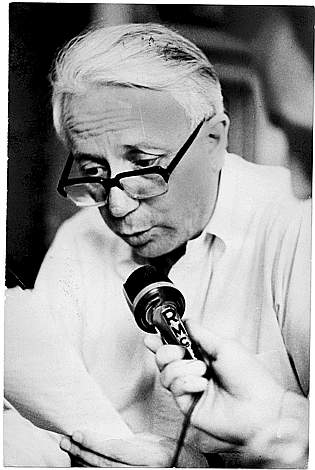
Enzo Biagi, born on August 9, 1920, in Lizzano in Belvedere, Bologna, Italy, was a towering figure in Italian journalism. Known for his incisive writing, integrity, and dedication to uncovering the truth, Biagi’s career spanned several decades during which he made significant contributions to print and broadcast journalism. This article delves into his life, career, and the milestones that made him a legendary journalist.
Early Life and Education
Humble Beginnings
Enzo Biagi was born into a modest family. His father worked as an assistant warehouse manager at a sugar factory, while his mother was a homemaker. Despite his humble beginnings, Biagi displayed a remarkable talent for writing from a young age. His early education highlighted his proficiency in literary subjects, and he quickly became known for his exceptional writing skills. A notable incident from his childhood involved one of his school essays being recognized by the Pope.
Entry into Journalism
At the age of 18, Biagi began his journalism career while continuing his education. He started working as a reporter for Il Resto del Carlino, a local newspaper in Bologna. By the age of 21, he became a professional journalist, which was the minimum age for joining the professional register. His early career was marked by rapid progress, reflecting his exceptional abilities and determination.
Career Highlights
World War II and Partisan Activities
The outbreak of World War II significantly impacted Biagi’s life. He was drafted into the military but chose to join the partisan resistance movement after Italy’s armistice on September 8, 1943. He crossed the front lines and joined the resistance forces in the Apennine Mountains. On April 21, 1945, Biagi entered Bologna with the Allied forces and announced the end of the war from the Public Welfare Broadcasting (PWB) station.
Post-War Journalism
After the war, Biagi returned to Bologna, where he launched several journalistic initiatives. He founded a weekly magazine, “Cronache,” and a daily newspaper, “Cronache Sera.” His journalistic prowess and dedication quickly gained recognition, leading to his reemployment at Il Resto del Carlino, where he worked as a correspondent and film critic. His coverage of the Polesine floods remains one of his most memorable works from this period.
Leading “Epoca” and Transition to Television
In 1952, Biagi moved to Milan to become the editor of the weekly magazine “Epoca,” a position he held until 1960. During this time, he developed a close relationship with television, a medium that significantly amplified his influence. Biagi joined RAI, the Italian national broadcaster, in 1961, and his association with the organization lasted for decades. He expressed immense gratitude and affection for RAI, acknowledging the pivotal role it played in his career.
Television Achievements
Biagi’s contributions to television journalism were pioneering. In 1961, he became the director of the RAI news division and, in 1962, founded Italy’s first television news magazine, “RT – Rotocalco Televisivo.” In 1969, he launched “Dicono di Lei,” a program featuring interviews with famous personalities, showcasing his talent for engaging and insightful questioning.
Throughout his television career, Biagi produced numerous influential programs. Notable among them were “Proibito,” an investigative program on current events, and extensive international reports such as “Douce France” (1978) and “Made in England” (1980). His work often addressed critical issues like arms trafficking and the mafia, reflecting his commitment to investigative journalism.
Print Journalism and Literary Contributions
Alongside his television career, Biagi continued to excel in print journalism. He wrote for prominent publications such as La Stampa, La Repubblica, Corriere della Sera, and Panorama. His prolific writing career included over 80 books, many of which topped best-seller lists. Biagi’s books often provided in-depth analysis of contemporary issues, showcasing his ability to blend journalistic rigor with literary flair.
Iconic Programs and Controversies
In 1995, Biagi created “Il Fatto,” a daily five-minute commentary on current events that became immensely popular. Despite its success, the program faced controversy during the early 2000s. Biagi was accused of bias against then-Prime Minister Silvio Berlusconi, leading to significant political pressure and a shift in the program’s schedule. Biagi’s principled stance during this period highlighted his commitment to journalistic integrity.
Return to Television and Final Years
After a five-year hiatus, Biagi returned to television in 2007 with “RT – Rotocalco Televisivo.” Despite facing health challenges, his return was warmly received, reaffirming his status as a revered journalist. Enzo Biagi passed away on November 6, 2007, in Milan, leaving behind a legacy of fearless journalism and unwavering dedication to truth.
Legacy and Impact
Influence on Italian Journalism
Enzo Biagi’s career profoundly influenced Italian journalism. His commitment to ethical journalism, his ability to connect with a broad audience, and his relentless pursuit of truth set a high standard for journalists in Italy and beyond. Biagi’s work remains a benchmark for journalistic excellence, characterized by its depth, integrity, and impact.
Recognition and Awards
Throughout his career, Biagi received numerous accolades for his contributions to journalism and literature. His work was celebrated for its clarity, insight, and ethical standards. Biagi’s legacy continues to inspire journalists and writers, serving as a reminder of the power of truthful storytelling.
Continuing Influence
Even after his death, Enzo Biagi’s influence persists. His books and television programs continue to be studied and admired, reflecting the enduring relevance of his work. Biagi’s dedication to uncovering the truth and his ability to present complex issues in an accessible manner remain exemplary for future generations of journalists.
Conclusion
Enzo Biagi’s life and career are a testament to the profound impact that dedicated journalism can have on society. From his early days as a young reporter in Bologna to his status as a revered journalist and author, Biagi’s journey was marked by integrity, courage, and an unwavering commitment to the truth. His legacy continues to inspire and guide journalists around the world, underscoring the enduring importance of ethical and insightful journalism.
Enzo Biagi’s story is one of resilience, dedication, and the relentless pursuit of truth. His work not only shaped the landscape of Italian journalism but also set a global standard for journalistic excellence. As we reflect on his contributions, we are reminded of the crucial role that journalists play in society and the enduring power of truthful storytelling.


