
Introduction
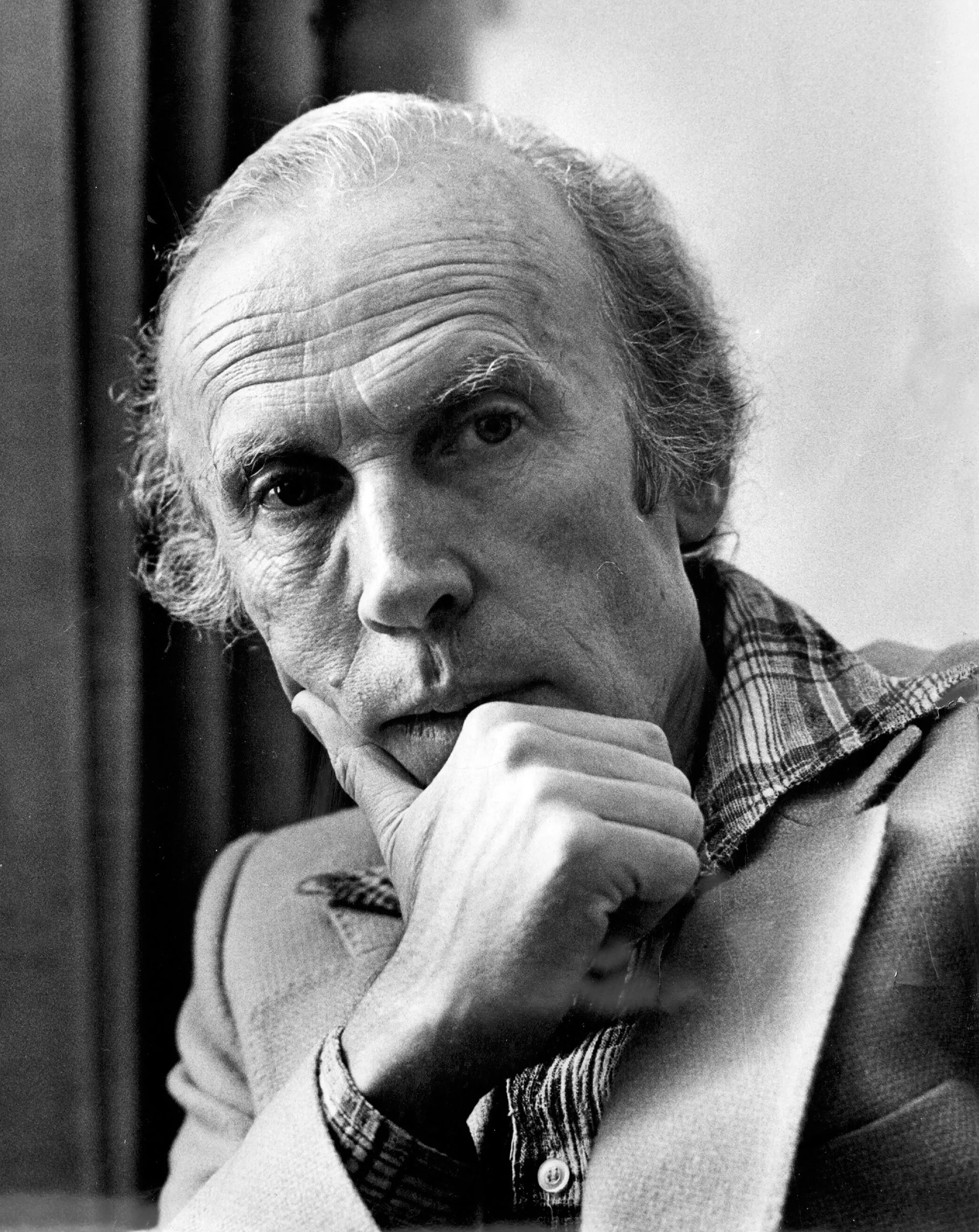
Éric Rohmer, a name synonymous with the French New Wave cinema, remains one of the most enigmatic and revered figures in the world of film. Born as Jean Marie Maurice Schérer on March 21, 1920, in Tulle, Corrèze, in the South-West of France, Rohmer’s life and career have been surrounded by a mystique that continues to intrigue cinephiles and scholars alike. Despite his significant contributions to cinema, Rohmer maintained a low profile, shying away from the public eye, which only added to the aura of mystery that enveloped his persona.
Early Life and Education
Rohmer’s early life was marked by a deep intellectual curiosity and a passion for literature. His family, of Alsatian origin, instilled in him a love for education, leading him to pursue a degree in literature. After completing his studies, Rohmer moved to Paris, where he began his career as a teacher in a provincial town, Vierzon. It was during this period that he developed a profound interest in cinema, influenced by the burgeoning cinephile culture in post-war Paris.
The Birth of a Filmmaker
Rohmer’s initial foray into the arts was as a writer. In 1946, he published his first and only novel, Elisabeth, under the pseudonym Gilbert Cordier. However, it was his passion for cinema that would ultimately define his career. In 1948, Rohmer began his journey as a film critic, contributing to several publications. His first article, Le cinéma, art de l’espace, was published in La Revue du cinéma, marking the beginning of a long and illustrious career in the world of film criticism.
The Cahiers du Cinéma and the Nouvelle Vague
The late 1940s and early 1950s were a time of great change and innovation in French cinema, and Rohmer was at the forefront of this movement. In 1949, he attended the Festival du film maudit in Biarritz, where he met François Truffaut, who would become a close collaborator and a key figure in the French New Wave. Rohmer was also instrumental in the founding of the legendary film magazine, Cahiers du Cinéma, in 1951. The magazine became the voice of a new generation of filmmakers who challenged the conventions of traditional cinema.
As a contributor and later editor-in-chief of Cahiers du Cinéma from 1957 to 1963, Rohmer played a crucial role in shaping the critical discourse around cinema. His writings, along with those of his contemporaries like Truffaut and Jean-Luc Godard, laid the groundwork for the Nouvelle Vague, a movement that revolutionized French and global cinema.
Directorial Debut and Early Films
Rohmer’s directorial debut came in 1950 with the short film Journal d’un scélérat, a work that is unfortunately lost to time. This was followed by Présentation, a collaborative effort with Godard in 1951, and Les petites filles modèles in 1952. These early works, though modest in scope, showcased Rohmer’s unique narrative style and his ability to explore complex human emotions through simple, everyday situations.
In 1959, Rohmer made his feature film debut with Le signe du lion. Although the film did not achieve commercial success, it was a critical milestone, marking the beginning of Rohmer’s exploration of moral dilemmas and the intricacies of human relationships. His films were characterized by their intellectual rigor, attention to detail, and a deep understanding of the human condition.
The Six Moral Tales
Rohmer’s breakthrough came with the series Six Moral Tales (Six contes moraux), a collection of films produced between 1962 and 1972. This series, which includes La boulangère de Monceau (1962), La carrière de Suzanne (1963), La collectionneuse (1967), Ma nuit chez Maud (1969), Le genou de Claire (1970), and L’amour l’après-midi (1972), is considered one of the most significant achievements in modern cinema.
The Six Moral Tales revolve around a common theme: a man is tempted by a woman just at the moment when he is about to commit to another, often the woman he will spend his life with. This narrative framework allowed Rohmer to delve into the complexities of desire, morality, and the choices that define our lives. The films were celebrated for their literary qualities, with Rohmer often using voiceover narration to give the protagonist’s perspective, creating a sense of intimacy and introspection.
Comedies and Proverbs
In the 1980s, Rohmer embarked on a new series, Comedies and Proverbs (Comédies et proverbes), which further cemented his reputation as a master storyteller. This series, which includes La femme de l’aviateur (1980), Le beau mariage (1982), Pauline à la plage (1983), Les nuits de la pleine lune (1984), Le rayon vert (1986), and L’ami de mon amie (1987), was characterized by a lighter tone and a focus on contemporary social issues.
The Comedies and Proverbs series was inspired by the works of 18th-century French playwright Pierre de Marivaux, known for his comedies of manners. Rohmer’s films in this series explored the nuances of romantic relationships, often with a touch of humor and irony. The films were well-received, with Le rayon vert winning the prestigious Golden Lion at the Venice Film Festival in 1986.
Tales of the Four Seasons
Continuing his exploration of human relationships, Rohmer began the Tales of the Four Seasons (Contes des quatres saisons) series in 1990. This series, which includes Conte de printemps (1990), Conte d’hiver (1992), Conte d’été (1996), and Conte d’automne (1998), focused on the interplay between the characters and their environment. Rohmer’s meticulous attention to the natural world and his use of light and color to convey emotion were hallmarks of these films.
Each film in the Tales of the Four Seasons series is a meditation on love, friendship, and the passage of time. Rohmer’s ability to capture the subtleties of human interaction and his deep understanding of the complexities of relationships made these films enduring classics.
Later Works and Legacy
In the later years of his career, Rohmer continued to create thought-provoking and visually stunning films. In 2001, at the age of 81, he directed The Lady and the Duke (L’anglaise et le duc), a historical drama that was notable for its use of digital technology to recreate 18th-century Paris. The film was a critical success and earned Rohmer a special recognition for his career achievements at the Venice Film Festival.
Rohmer’s final film, The Romance of Astrea and Celadon (Les amours d’Astrée et de Céladon), was released in 2007. Based on a 17th-century French pastoral novel, the film was a fitting end to Rohmer’s illustrious career, combining his love of literature, history, and the exploration of human emotions.
Éric Rohmer passed away on January 11, 2010, at the age of 89. His death marked the end of an era in French cinema, but his legacy continues to live on through his films, which remain as relevant and insightful today as they were when they were first released.
Conclusion
Éric Rohmer’s life and work are a testament to the power of cinema as an art form. Through his films, he explored the moral and emotional complexities of human existence with a precision and sensitivity that few filmmakers have matched. His contributions to the French New Wave and his influence on generations of filmmakers cannot be overstated. Rohmer’s films continue to be studied and celebrated for their intellectual depth, narrative innovation, and their ability to resonate with audiences across the world.
As we reflect on Rohmer’s remarkable career, it is clear that his work transcends the boundaries of time and culture. His films are not just stories; they are explorations of the human condition, offering insights into the choices we make, the relationships we forge, and the moral dilemmas we face. In a world where cinema is often driven by spectacle, Rohmer’s work reminds us of the power of storytelling to illuminate the complexities of life.


