
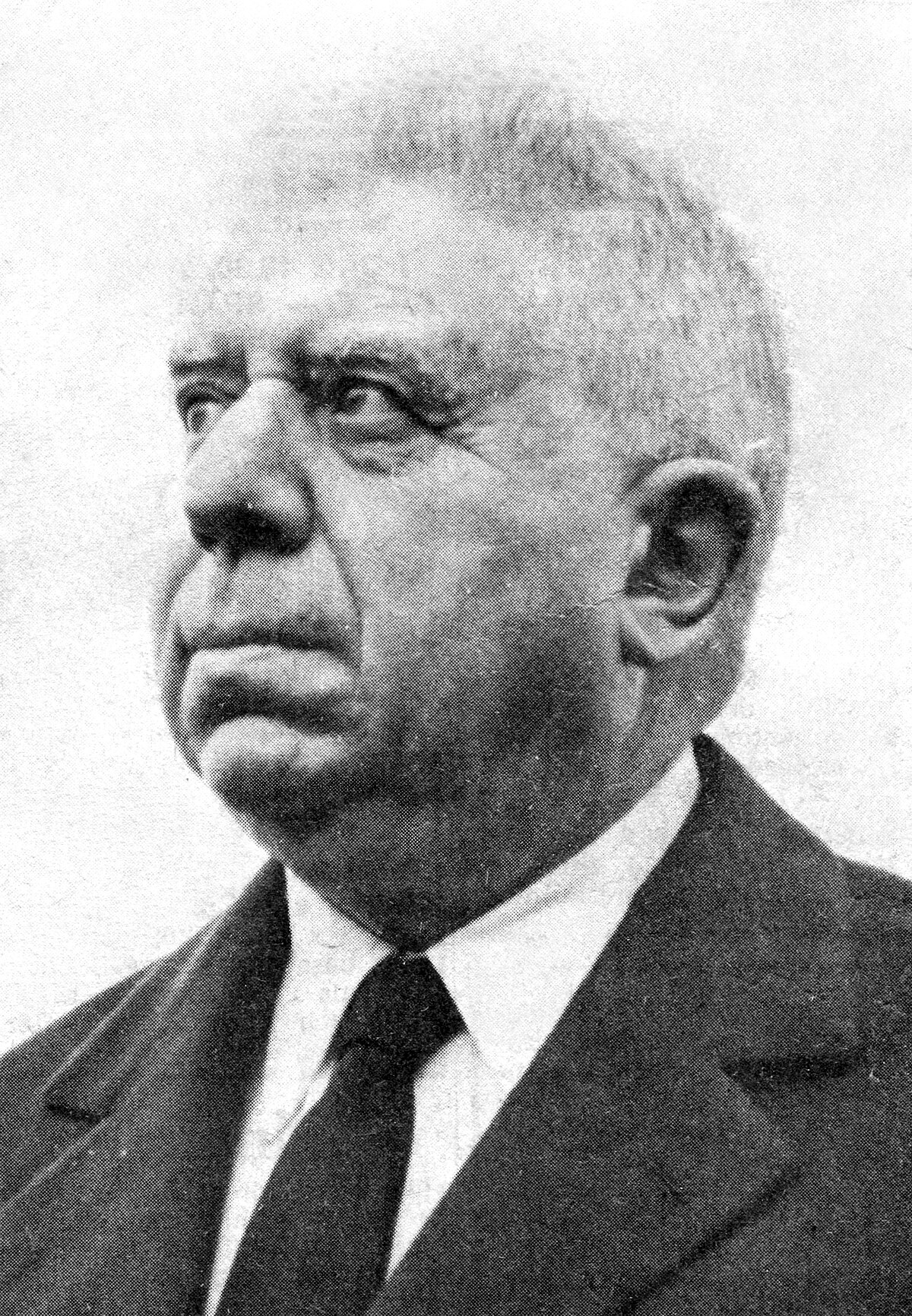
Eugenio Montale is one of the towering figures of Italian literature and a poet whose influence extends far beyond the borders of his native country. Born on October 12, 1896, in Genoa, Montale’s life and work have left an indelible mark on the world of poetry. His literary career spans several decades, during which he garnered international acclaim, culminating in the Nobel Prize in Literature in 1975. This article delves into Montale’s life, exploring the key events that shaped his work, his rise to fame, and his enduring legacy in the literary world.
Early Life and Education
Eugenio Montale was born into a family of six children in the Principe district of Genoa. His father was a chemical products merchant, notably supplying the company of the famous writer Italo Svevo. Despite being the youngest in the family, Montale’s early years were marked by a rich cultural environment. The family spent much of their time in Monterosso al Mare, a picturesque village in the Cinque Terre region, which would later inspire some of Montale’s most evocative poetry.
Montale’s formal education began at a technical commercial institute, where he earned a diploma in accountancy in 1915. However, his true passion lay elsewhere. Montale was an autodidact, immersing himself in literature and philosophy, often under the tutelage of his sister Marianna. His love for foreign languages and literature, particularly his deep admiration for Dante Alighieri, would profoundly influence his poetic voice. During this period, Montale also pursued music studies with the baritone Eugenio Sivori, which further enriched his artistic sensibilities.
Military Service and Post-War Years
The outbreak of World War I interrupted Montale’s intellectual pursuits. He enlisted in the military and attended the Academy of Parma, requesting deployment to the front lines. Montale’s brief military service in the Vallarsa and Val Pusteria regions left a lasting impression on him, shaping his views on war and its futility. By 1920, Montale had been discharged from the army, returning to civilian life at a time when Italy was grappling with the aftermath of the war and the rise of Fascism.
In the post-war years, Montale became increasingly involved in the cultural life of Italy. He frequented literary circles in Liguria and Turin, where he began to make a name for himself among the intellectual elite. These were the same years when the works of Gabriele D’Annunzio were widely celebrated across the nation, influencing many young writers, including Montale.
Literary Beginnings and “Ossi di Seppia”
Montale’s early literary efforts culminated in the publication of his first major work, Ossi di Seppia (Cuttlefish Bones), in 1925. This collection of poems marked his entry into the Italian literary scene with what would become his signature style—precise, unadorned language that conveyed deep existential themes. Ossi di Seppia was a reaction against the grandiloquent and ornate poetry that had dominated Italian literature, particularly that of D’Annunzio. Instead, Montale’s poetry embraced a more austere and introspective approach, exploring themes of alienation, the passage of time, and the search for meaning in a seemingly indifferent universe.
The success of Ossi di Seppia established Montale as a significant voice in modern Italian poetry. His work resonated with the intellectual and cultural currents of the time, particularly the sense of disillusionment and skepticism that pervaded Europe in the aftermath of World War I. Montale’s poetry was also influenced by the literary movements of the early 20th century, including symbolism and modernism, which emphasized the subjective experience and the complexities of the human psyche.
Florence and the Rise to Prominence
In 1927, Montale moved to Florence, a city that had long been a center of Italian cultural and intellectual life. Here, he became associated with the literary and artistic circles that were shaping modern Italian literature. Montale collaborated with the publisher Bemporad and began writing for several literary journals, including Solaria, which played a crucial role in the cultural renewal of Italy during the interwar period.
Florence in the 1920s and 1930s was a hotbed of literary activity. It was the city where Giuseppe Ungaretti had published his early poems in Lacerba, and where poets like Vincenzo Cardarelli and Umberto Saba found their voices. Montale, with his distinctive poetic style, quickly became a leading figure in this vibrant literary community. His work was marked by a deep engagement with the philosophical and existential questions of the time, as well as a keen awareness of the political and social upheavals that were reshaping Europe.
In 1929, Montale was appointed director of the prestigious Gabinetto Vieusseux, a position that allowed him to further immerse himself in the literary life of Florence. However, his tenure was cut short in 1938 when he was dismissed for his anti-Fascist views. Despite this setback, Montale continued to write and publish, contributing to the rich literary culture of the period.
World War II and the Aftermath
The outbreak of World War II brought further challenges for Montale. During the war, he continued to write, but the political climate in Italy became increasingly oppressive. After the war, Montale became involved with the Partito d’Azione, a political movement that sought to promote democracy and resist the resurgence of Fascism in Italy. He also began writing for various newspapers and magazines, establishing himself as a respected literary critic and intellectual.
In 1948, Montale moved to Milan, where he began a long and fruitful collaboration with the Corriere della Sera, one of Italy’s most prominent newspapers. His work as a critic and journalist broadened his influence and brought his poetry to a wider audience. Montale’s essays and articles reflected his deep engagement with the cultural and political issues of the time, as well as his ongoing exploration of the human condition through poetry.
The Nobel Prize and Later Life
Montale’s literary achievements were recognized on an international scale in 1975 when he was awarded the Nobel Prize in Literature. The Nobel Committee praised Montale for his “distinctive voice and his artistic sensitivity,” acknowledging his significant contributions to world literature. This honor marked the pinnacle of Montale’s career, solidifying his place among the greatest poets of the 20th century.
Despite his growing fame, Montale remained a deeply private individual. He continued to write and publish poetry, even as his health began to decline. His later work, including collections like Satura (1971) and Diario del ’71 e del ’72 (1973), reflected a more personal and reflective tone, often addressing themes of aging, memory, and loss.
In 1967, Montale was appointed a senator for life in Italy, a testament to his status as a cultural and intellectual figure of national importance. However, he rarely participated in the political life of the Senate, preferring to focus on his writing and his work as a critic.
Montale passed away on September 12, 1981, in Milan, just shy of his 85th birthday. He was buried next to his beloved wife, Drusilla Tanzi, in the cemetery near the Church of San Felice a Ema, in the outskirts of Florence. Montale’s death marked the end of an era in Italian literature, but his work continues to inspire and challenge readers around the world.
Legacy and Influence
Eugenio Montale’s legacy as a poet and intellectual is one of profound influence and enduring relevance. His work, characterized by its clarity, precision, and depth, has left an indelible mark on the landscape of modern poetry. Montale’s ability to capture the complexities of the human experience, coupled with his mastery of language and form, has made him a central figure in the canon of 20th-century literature.
Montale’s poetry is often seen as a reflection of the existential crises and disillusionment of his time, but it also transcends its historical context to speak to universal themes of alienation, identity, and the search for meaning. His work continues to be studied and appreciated for its linguistic innovation, its philosophical insights, and its emotional resonance.
In addition to his poetry, Montale’s work as a translator, critic, and journalist contributed to the broader cultural discourse of his time. His translations of English and American poetry, as well as his essays on literature, music, and art, helped to shape the intellectual landscape of 20th-century Italy.
Montale’s influence extends beyond the world of literature. His work has inspired musicians, artists, and filmmakers, and his poems have been set to music by composers such as Luigi Dallapiccola and Luciano Berio. Montale’s impact on the arts is a testament to the power and versatility of his poetic vision.
Today, Eugenio Montale is remembered not only as one of Italy’s greatest poets but as a figure whose work continues to resonate with readers and artists across the globe. His exploration of the human condition, his commitment to artistic integrity, and his engagement with the cultural and political issues of his time make him a timeless and essential voice in world literature.
Conclusion
Eugenio Montale’s life and work are a testament to the power of poetry to capture the complexities of the human experience. From his early years in Genoa to his rise to international acclaim, Montale’s journey as a poet reflects the broader cultural and historical currents of the 20th century. His poetry, characterized by its clarity, depth, and existential themes, continues to inspire readers and writers around the world.
As a Nobel laureate and one of the most important literary figures of his time, Montale’s legacy is one of enduring significance. His work remains a vital part of the literary canon, offering insights into the human condition that are as relevant today as they were during his lifetime. Eugenio Montale’s contribution to literature is a reminder of the power of words to transcend time and place, speaking to the universal truths that connect us all.


