
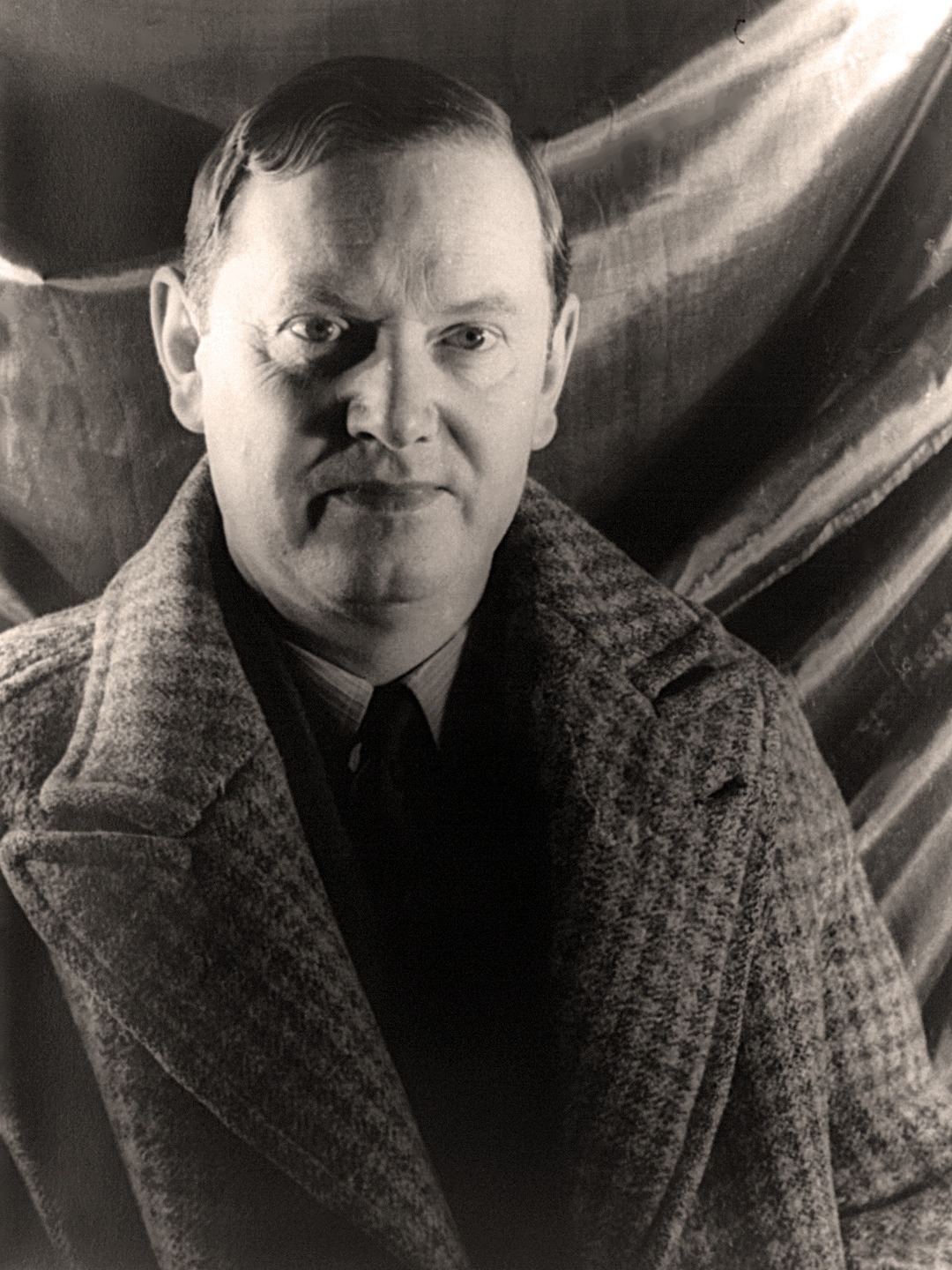
Evelyn Waugh, a name that resonates with literary excellence, was born on October 28, 1903, in London, England. A master of satire and a profound observer of the human condition, Waugh is often celebrated for his sharp wit, incisive commentary, and ability to expose the follies of society through his prose. This article delves into the life and legacy of Evelyn Waugh, exploring his journey from a young man in England to one of the most revered authors of the 20th century. With a focus on his age, fame, and life highlights, we will also examine the historical context that shaped his works, providing detailed insights and explanations that cater to both literary enthusiasts and those seeking to understand the cultural nuances of his time.
Early Life and Education
Evelyn Arthur St. John Waugh was born into a literary family, the second son of Arthur Waugh, a respected editor and literary critic. Growing up in an environment steeped in books and intellectual discourse, it was perhaps inevitable that Waugh would develop a deep love for literature. He attended Lancing College, where he excelled in his studies, particularly in history and art. Waugh’s early exposure to the classics and his sharp observational skills would later become hallmarks of his writing.
In 1922, Waugh matriculated at Hertford College, Oxford, where he studied Modern History. His time at Oxford was marked by a mix of academic success and social indulgence. Waugh was part of the bohemian set, mingling with future literary figures and engaging in the vibrant social life of the university. His experiences at Oxford would later be reflected in his novels, particularly in his portrayal of the decadent and dissolute lifestyle of the English upper class.
Early Career and Literary Beginnings
After graduating from Oxford, Waugh briefly worked as a schoolteacher, a profession he found deeply unsatisfying. His first foray into writing was a biography of the artist Dante Gabriel Rossetti, published in 1928. However, it was his first novel, Decline and Fall (1928), that established Waugh as a significant literary talent. The novel, a satirical account of the absurdities of English society, was both a critical and commercial success. Waugh’s wit, coupled with his ability to craft memorable characters, made the book an instant hit.
Decline and Fall was followed by Vile Bodies (1930), another satirical novel that explored the hedonistic lifestyles of the “Bright Young Things,” a term used to describe the young, carefree socialites of the 1920s. Waugh’s portrayal of this generation was both humorous and biting, capturing the emptiness and superficiality that he saw as characteristic of the time. His critique of the materialism and lack of moral values in society would become a recurring theme in his work.
Conversion to Catholicism and Moral Themes in His Work
A significant turning point in Waugh’s life occurred in 1930 when he converted to Roman Catholicism. This decision was not merely a personal one but had profound implications for his writing. Waugh’s newfound faith introduced a moral and spiritual dimension to his work, setting him apart from his contemporaries. His novels began to explore themes of sin, redemption, and the search for meaning in a world that he increasingly viewed as morally bankrupt.
One of the most notable works from this period is Brideshead Revisited (1945), a novel that remains one of Waugh’s most famous and enduring works. Brideshead Revisited is a deeply Catholic novel that explores the themes of faith, grace, and the impact of religion on human lives. Set against the backdrop of the English aristocracy, the novel follows the relationship between Charles Ryder and the Flyte family, particularly Sebastian Flyte, a character whose struggle with faith and identity mirrors Waugh’s own spiritual journey.
Satirical Masterpieces and Exploration of Society
Waugh’s ability to blend satire with serious moral concerns is perhaps best exemplified in his novel Scoop (1938). Scoop is a satirical take on the world of journalism, inspired by Waugh’s own experiences as a foreign correspondent. The novel follows the misadventures of William Boot, a hapless writer who is mistakenly sent to cover a war in a fictional African country. Through Boot’s experiences, Waugh skewers the sensationalism and incompetence of the media, delivering a critique that remains relevant even today.
Another of Waugh’s satirical masterpieces is A Handful of Dust (1934), a novel that exposes the cruelty and emptiness of the British upper class. The novel’s title, taken from T.S. Eliot’s The Waste Land, reflects Waugh’s bleak view of a society that he saw as spiritually and morally decayed. A Handful of Dust is often considered one of Waugh’s darkest works, with its portrayal of the disintegration of a marriage and the protagonist’s ultimate descent into despair.
Waugh’s fascination with the absurdities of modern life is also evident in Black Mischief (1932), a novel set in a fictional African country. The novel satirizes the colonial attitudes of the time, as well as the naivety and arrogance of Westerners who attempt to impose their values on other cultures. Black Mischief is a prime example of Waugh’s ability to use humor to address serious issues, a skill that earned him both praise and controversy.
World War II and Later Works
Waugh’s experiences during World War II had a profound impact on his later works. He served as an officer in the British Army and was involved in several campaigns, including in the Mediterranean and Yugoslavia. The war exposed Waugh to the harsh realities of conflict and the fragility of human life, themes that would feature prominently in his post-war novels.
The most significant of these is the Sword of Honour trilogy, comprising Men at Arms (1952), Officers and Gentlemen (1955), and Unconditional Surrender (1961). The trilogy is a semi-autobiographical account of Waugh’s war experiences, told through the character of Guy Crouchback. The novels explore the futility and absurdity of war, as well as the challenges of maintaining one’s moral integrity in the face of overwhelming adversity. The Sword of Honour trilogy is considered one of Waugh’s finest achievements, blending his characteristic wit with a deep sense of moral seriousness.
Personal Life and Legacy
Evelyn Waugh’s personal life was as complex and multifaceted as his writing. He was known for his acerbic wit, sharp tongue, and often irascible temperament. Waugh’s relationships with friends and family were often tumultuous, and his conversion to Catholicism sometimes alienated him from his contemporaries. Despite this, Waugh remained a deeply committed writer, dedicated to his craft and unafraid to challenge societal norms.
Waugh was married twice. His first marriage, to Evelyn Gardner in 1928, ended in divorce after only a year, a scandal that provided fodder for his satirical novel A Handful of Dust. In 1937, he married Laura Herbert, with whom he had seven children. Waugh’s family life was marked by both joy and difficulty, as he struggled to balance his responsibilities as a husband and father with his demanding writing career.
Evelyn Waugh passed away on April 10, 1966, at the age of 62, from a heart attack. He was buried in Combe Florey, Somerset, where he had lived for many years. Waugh’s death marked the end of an era, but his literary legacy continues to endure. His works are studied and celebrated for their brilliant satire, moral depth, and unflinching critique of the society in which he lived.
Conclusion
Evelyn Waugh remains one of the most significant literary figures of the 20th century. His ability to capture the complexities of human nature, coupled with his sharp satirical eye, has left an indelible mark on English literature. From his early works that lampooned the excesses of the upper class to his later, more reflective novels that grappled with issues of faith and morality, Waugh’s oeuvre is a testament to his extraordinary talent.
Waugh’s life and work are a fascinating study of a man who was both a product of his time and a sharp critic of it. His legacy is not only in the novels he wrote but in the way he challenged his readers to look beyond the surface and question the values of the society in which they lived. As we continue to read and study his works, Evelyn Waugh’s voice remains as relevant and compelling as ever, reminding us of the enduring power of literature to provoke thought and inspire change.


