
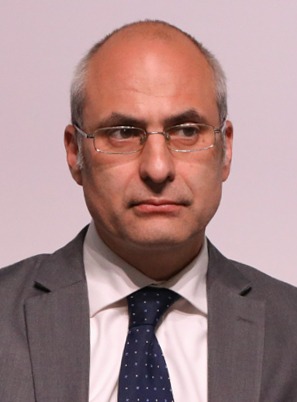
Fabrizio Curcio is a name that resonates with those familiar with Italy’s emergency management and civil protection landscape. Born on November 24, 1966, in Rome, Curcio has built a reputation as one of the most skilled and respected figures in managing emergencies and crises. His career, spanning decades, has been marked by numerous challenges, ranging from natural disasters to complex logistical operations. This article delves into the life, career, and significant contributions of Fabrizio Curcio, exploring how he became a pivotal figure in Italy’s civil protection apparatus.
Early Life and Education
Fabrizio Curcio was born and raised in Rome, a city known for its rich history and cultural heritage. From a young age, Curcio exhibited a keen interest in problem-solving and public service, traits that would later define his professional life. He pursued a degree in engineering from La Sapienza University of Rome, one of Italy’s most prestigious institutions. His academic background in engineering provided him with the technical knowledge and analytical skills necessary to navigate the complex field of emergency management.
Curcio’s passion for public service was further evidenced by his decision to undertake two master’s degrees, one of which focused on European Civil Protection. This advanced training, conducted in English, underscored his commitment to understanding and addressing the intricacies of emergency situations on both a national and international scale. The knowledge and skills acquired during these formative years would prove invaluable as he embarked on his professional journey.
Early Career and the Vigili del Fuoco
Fabrizio Curcio’s career began with the Italian National Fire Brigade (Vigili del Fuoco), where he quickly rose through the ranks due to his dedication and competence. One of his first significant experiences came in 1997 when he was part of the mobile unit that managed the aftermath of the Umbria and Marche earthquake. This devastating event, which struck central Italy, tested Curcio’s abilities and gave him firsthand experience in dealing with large-scale emergencies.
His work during this period highlighted his capacity to manage complex situations under pressure, earning him recognition within the Vigili del Fuoco and beyond. Curcio’s approach combined technical expertise with a deep understanding of human needs during crises, qualities that would become hallmarks of his career.
The 2000s: A Decade of Rising Influence
The early 2000s marked a significant period of growth in Fabrizio Curcio’s career. He played a crucial role in coordinating the Fire Brigade’s operations during major events such as the Jubilee of 2000 and the Russia-NATO summit in 2002, held at Pratica di Mare. These events, characterized by massive public gatherings and high-security concerns, required meticulous planning and coordination. Curcio’s ability to manage these logistical challenges with precision solidified his reputation as an emerging leader in emergency management.
In 2007, Curcio transitioned to the Italian Civil Protection Department (Protezione Civile), a move that would define the next phase of his career. His recruitment was driven by Guido Bertolaso, the then-head of the department, who recognized Curcio’s potential to contribute to the nation’s emergency management efforts. Initially tasked with leading the department’s secretariat, Curcio quickly distinguished himself through his organizational skills and strategic thinking.
By 2008, Curcio was appointed head of the Emergency Management Division within the Civil Protection Department. In this role, he was responsible for coordinating responses to some of Italy’s most significant disasters. Notable among these were the 2009 L’Aquila earthquake and the 2012 Costa Concordia shipwreck. Both events were not only tragic but also posed enormous logistical and operational challenges. Curcio’s leadership during these crises demonstrated his ability to manage large-scale emergency responses effectively, balancing technical considerations with the needs of affected communities.
The L’Aquila Earthquake: A Defining Moment
The 2009 L’Aquila earthquake was a pivotal event in Fabrizio Curcio’s career. The earthquake, which struck central Italy, resulted in the deaths of over 300 people and caused widespread devastation. The response to this disaster required a coordinated effort across multiple agencies and levels of government, and Curcio was at the forefront of these efforts.
As the head of the Emergency Management Division, Curcio oversaw the deployment of resources, the establishment of temporary shelters, and the coordination of rescue operations. His work during this period was widely praised for its efficiency and humanity, as he ensured that the needs of the survivors were met while managing the logistical complexities of the response.
The L’Aquila earthquake also had long-term implications for Curcio’s career, as it solidified his reputation as a capable and compassionate leader in times of crisis. It was during this time that Curcio’s approach to emergency management began to take shape, characterized by a focus on rapid response, thorough planning, and an unwavering commitment to the well-being of those affected by disasters.
Another significant challenge in Curcio’s career came in 2012 with the Costa Concordia disaster. The cruise ship ran aground off the coast of the Italian island of Giglio, resulting in the deaths of 32 people and the evacuation of over 4,000 passengers and crew members. The scale and complexity of the disaster presented unique challenges, including the risk of environmental contamination and the need to salvage the ship from a sensitive marine environment.
Curcio’s role in managing the response to the Costa Concordia disaster was critical. He coordinated the efforts of multiple agencies, including the Coast Guard, environmental protection organizations, and international salvage teams. His leadership ensured that the response was not only effective in rescuing survivors and recovering the victims but also in mitigating the environmental impact of the disaster.
The successful management of the Costa Concordia disaster further cemented Curcio’s status as a leading figure in Italy’s emergency management community. It also highlighted his ability to handle complex emergencies that required coordination across multiple domains, including search and rescue, environmental protection, and international collaboration.
Resignation and Return to Civil Protection
Despite his success, the pressures of the job eventually took a toll on Fabrizio Curcio. On August 8, 2017, he resigned from his position as the head of the Civil Protection Department, citing personal reasons. In his resignation letter, Curcio expressed his belief that he could no longer fully dedicate himself to the demands of the role, which required complete commitment and often involved significant personal sacrifices.
However, Curcio’s departure from the Civil Protection Department did not mark the end of his involvement in emergency management. He continued to contribute to public safety and disaster preparedness in other capacities. One notable project was his involvement in addressing the issue of waste fires, particularly in the “Terra dei Fuochi” region, known for its environmental and public health challenges.
In 2019, Curcio took on a new role as the head of the “Casa Italia” project, a government initiative launched in response to the 2016 central Italy earthquake. The project’s goal was to develop a comprehensive plan to secure Italy’s most vulnerable areas against future natural disasters. Curcio’s work on Casa Italia reflected his ongoing commitment to disaster prevention and his belief in the importance of proactive measures to protect communities.
Return to the Civil Protection Department
Fabrizio Curcio’s expertise and leadership were once again called upon in 2021 when he was reappointed as the head of the Civil Protection Department by then-Prime Minister Mario Draghi. Curcio’s return came at a critical time as Italy was grappling with the COVID-19 pandemic and the need for an efficient and effective vaccination campaign.
Curcio’s reappointment was seen as a vote of confidence in his abilities, particularly in light of his previous successes in managing large-scale emergencies. In this new role, Curcio worked closely with General Francesco Paolo Figliuolo, the government’s special commissioner for the COVID-19 emergency, to coordinate the national vaccination effort. Their collaboration was instrumental in accelerating the rollout of vaccines across the country, a crucial step in bringing the pandemic under control.
Curcio’s return to the Civil Protection Department also highlighted his enduring commitment to public service. Despite the challenges and demands of the role, Curcio continued to dedicate himself to the well-being of the Italian people, demonstrating the same dedication and resilience that had defined his career from the beginning.
Personal Life and Legacy
Fabrizio Curcio is known for his discretion regarding his personal life. While little is publicly known about his private affairs, it is evident that Curcio values his privacy and prefers to keep his personal and professional lives separate. This approach is consistent with his professional demeanor, which has always been characterized by a focus on duty and a commitment to public service.
Curcio’s legacy is one of service, leadership, and resilience. His career has been marked by a series of challenges, each of which he has met with determination and skill. From natural disasters to public health emergencies, Curcio has consistently demonstrated his ability to lead in times of crisis, earning the respect and admiration of his colleagues and the public.
As a leader, Curcio is known for his ability to remain calm under pressure, his strategic thinking, and his empathy for those affected by disasters. These qualities have not only made him an effective leader but have also set a standard for others in the field of emergency management.
Conclusion
Fabrizio Curcio’s life and career offer valuable insights into the complexities of emergency management and the qualities required to lead in times of crisis. His work has had a lasting impact on Italy’s civil protection system, and his contributions have helped to shape the country’s response to some of its most significant challenges.
As Curcio continues to serve in his role as the head of the Civil Protection Department, his legacy of service and leadership will undoubtedly continue to influence the field of emergency management in Italy and beyond. His story is a testament to the importance of dedication, resilience, and the ability to adapt in the face of adversity.
Fabrizio Curcio remains a figure of significant importance in Italy, not just for his role in managing emergencies but also for his commitment to the safety and well-being of his fellow citizens. His career serves as an example of how effective leadership and a deep sense of responsibility can make a difference in the most challenging of circumstances.


