
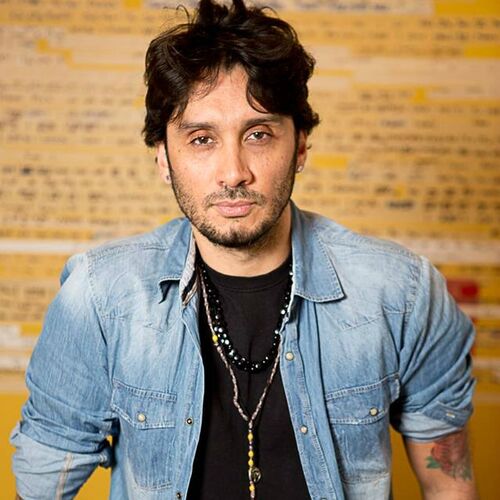
Fabrizio Moro, born Fabrizio Mobrici on April 9, 1975, in Rome, Italy, is an acclaimed Italian singer-songwriter, musician, and composer. With a career spanning over two decades, he has become a significant figure in the Italian music industry, known for his soulful voice, poignant lyrics, and passionate performances. Moro’s journey to fame is a story of perseverance, talent, and the ability to connect with his audience through music that often touches on themes of love, social issues, and personal introspection.
Early Life and Musical Beginnings
Fabrizio Moro was born and raised in the San Basilio district of Rome, a neighborhood known for its working-class roots. His family, of Calabrian origin, played a pivotal role in shaping his early years. Growing up in a humble environment, Moro’s initial exposure to music was through the records his parents played at home. Despite the challenges posed by his surroundings, Moro’s passion for music was evident from a young age. By the time he was 15, he had already written his first song and taught himself to play the guitar, marking the beginning of what would become a lifelong commitment to music.
After enrolling at the Roberto Rossellini Institute for Cinematography and Television, Moro moved with his family to Setteville di Guidonia and later to Sant’Angelo Romano. These moves, while disruptive, did not deter his musical ambitions. Instead, they provided him with new experiences and inspirations that would later influence his songwriting.
Rise to Fame: The Early 2000s
Moro’s professional music career began in earnest in the mid-1990s when he started performing in local pubs and clubs. His talent for covering songs by iconic bands like U2 and The Doors earned him a small but loyal following. In 1996, he released his first single, “Per tutta un’altra destinazione,” which marked his entry into the Italian music scene. However, it was his participation in the prestigious Festival di Sanremo in 2000 that brought him national recognition. Competing in the “Giovani” (Young Artists) category, Moro’s song “Un giorno senza fine” showcased his unique blend of rock and melodic pop, earning him a respectable 13th place finish.
The early 2000s were a period of growth for Moro. In 2004, he contributed to the compilation “Italianos para siempre,” performing songs like “Linda como eres” and “Situaciones de la vida.” His work during this time reflected his expanding musical palette, which included influences from Latin music and contemporary rock. The release of his single “Eppure pretendevi di essere chiamata amore” in 2004 further solidified his reputation as a rising star in the Italian music industry.
The Breakthrough: “Pensa” and National Acclaim
Fabrizio Moro’s breakthrough came in 2007 with the release of the song “Pensa,” a powerful anthem dedicated to the victims of the Mafia. The song was a turning point in Moro’s career, not only because of its success but also because of its message. “Pensa” resonated deeply with the Italian public, earning Moro the top spot in the “Giovani” category at the 57th Festival di Sanremo. The song’s success was further amplified when it won the prestigious Mia Martini Critics’ Prize, an accolade that solidified Moro’s status as an artist of both popular and critical acclaim.
The accompanying music video for “Pensa,” directed by Marco Risi, featured scenes from the film “Mery per sempre” and starred notable actors alongside Rita Borsellino, sister of the anti-Mafia judge Paolo Borsellino. This collaboration highlighted the song’s thematic depth and its commitment to social issues, making it a landmark in Italian music. The success of “Pensa” was not limited to awards; the album of the same name went on to achieve gold and platinum status, confirming Moro’s place in the pantheon of Italian music.
Following the success of “Pensa,” Moro continued to ride the wave of his newfound fame. His 2007 single “Fammi sentire la voce” became a hit, leading to performances at major events like Festivalbar, the Heineken Jammin’ Festival, and TRL – Total Request Live. Moro’s appeal lay in his ability to fuse rock with introspective lyrics, creating music that was both energetic and thought-provoking.
Continued Success and Evolution
The late 2000s and early 2010s saw Fabrizio Moro evolve as an artist. In 2008, he returned to the Sanremo stage with “Eppure mi hai cambiato la vita,” which secured a third-place finish. The song, a deeply personal reflection on love and change, was part of his fourth studio album, “Domani.” The album’s success was further bolstered by the single “Libero,” which was featured in the soundtrack of the popular Italian TV series “I liceali.”
Moro’s ability to connect with his audience through relatable and emotionally charged lyrics became a hallmark of his music. His participation in various music festivals and live tours, including Rock in Roma and TRL – Total Request Live, solidified his reputation as a dynamic live performer. However, Moro was not content to rest on his laurels. He continued to push his creative boundaries, experimenting with new sounds and collaborating with other artists.
In 2009, Moro faced censorship challenges when his single “Barabba” was not played on the radio due to its politically charged lyrics. Despite these setbacks, he remained undeterred, using his music to speak out on social and political issues. The same year, he became a father, an event that brought new depth to his songwriting and personal life.
The 2010s: Independent Ventures and New Directions
The 2010s marked a period of significant change and growth for Fabrizio Moro. In 2010, he competed in the Sanremo Festival once again, this time in the “Artisti” category with the song “Non è una canzone.” Although the song was eliminated in the fourth round, it showcased Moro’s willingness to experiment with his musical style. That same year, he released “Ancora Barabba,” an album that combined tracks from his previous EP with new material.
Moro’s decision to part ways with Warner Music and establish his own independent label, La Fattoria del Moro Publishing, was a bold move that reflected his desire for creative control and artistic freedom. This venture allowed him to explore new directions in his music, free from the constraints of a major label. His subsequent work, including the album “Atlantico Live” and the single “Respiro,” received critical acclaim and demonstrated his continued relevance in the Italian music scene.
During this time, Moro also expanded his presence beyond music. In 2011, he began hosting the television program “Sbarre” on Raidue, further cementing his status as a multifaceted entertainer. The show’s theme song, “Respiro,” became a hit, highlighting Moro’s ability to connect with audiences across different media.
Recent Years: Sanremo Victories and Film Debut
Fabrizio Moro’s career took another leap forward in the late 2010s and early 2020s. In 2016, he wrote the song “Finalmente piove” for Valerio Scanu, which was performed at the Sanremo Festival. Moro’s songwriting skills continued to shine, leading to collaborations with other artists and participation in high-profile events like the Concerto del Primo Maggio.
In 2018, Moro returned to the Sanremo Festival, this time in collaboration with Ermal Meta. Their song “Non mi avete fatto niente” won the festival, propelling both artists to new heights of fame. The song, which addressed themes of resilience and solidarity in the face of terrorism, resonated with a broad audience and won numerous accolades.
Moro’s success at Sanremo continued in 2022 when he competed with the song “Sei tu,” winning the Bardotti Prize for Best Lyrics. This victory was followed by his debut as a film director with the movie “Ghiaccio,” marking a new chapter in his artistic journey.
Legacy and Impact
Fabrizio Moro’s career is a testament to his talent, resilience, and ability to evolve as an artist. From his early days performing in small venues to his multiple victories at the Sanremo Festival, Moro has consistently pushed the boundaries of Italian music. His songs, often imbued with social commentary and personal introspection, have earned him a loyal fan base and critical acclaim.
Moro’s influence extends beyond music. His foray into television and film demonstrates his versatility and commitment to exploring new creative avenues. As an artist, he has never shied away from addressing difficult topics, whether it’s the fight against organized crime, political scandals, or personal struggles. This willingness to confront reality head-on has made him a voice for many and a significant figure in contemporary Italian culture.
As Fabrizio Moro continues to create and perform, his legacy as a singer-songwriter, performer, and cultural commentator will undoubtedly endure. His music, with its blend of passion, authenticity, and social consciousness, remains a powerful force in the Italian music landscape.


