
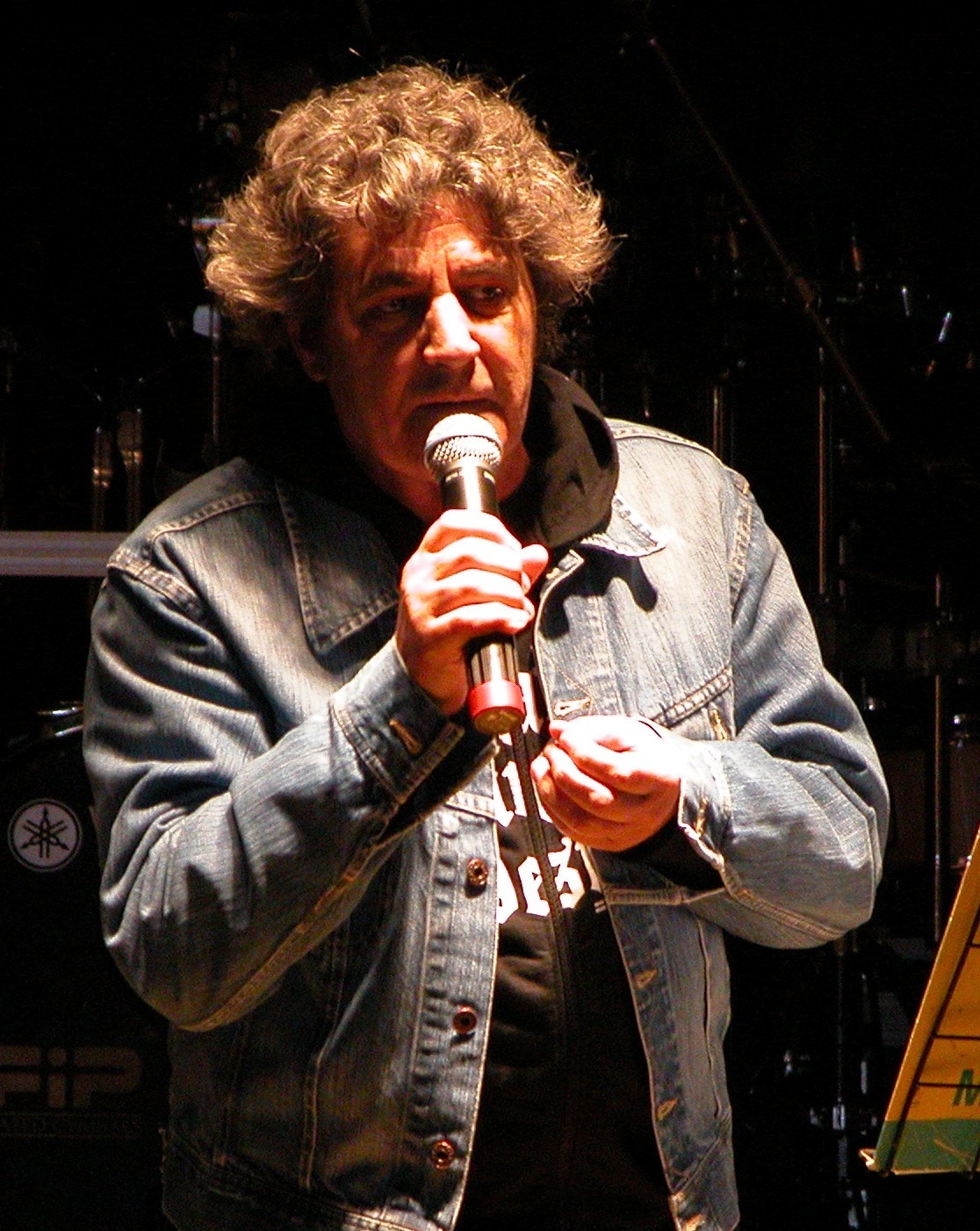
Fausto Leali is a name that resonates deeply within the Italian music scene. Born on October 29, 1944, in Nuvolento, a small town in the province of Brescia, Italy, Leali has carved out a remarkable career as a singer and musician, known for his distinctive soulful voice and passionate performances. Over the years, he has become a celebrated figure in Italian music, earning the nickname “Negrobianco” (White Black) due to his unique vocal timbre reminiscent of African American soul singers. This article delves into the life and career of Fausto Leali, exploring his journey from humble beginnings to becoming an icon of Italian music.
Early Life and Musical Beginnings
Fausto Leali was born into a large family in post-war Italy, a time marked by economic hardship and the need for resilience. Growing up in Nuvolento, Leali’s early years were shaped by the struggles of the era, which required him to start working as soon as he completed elementary school. His first job was as an apprentice in a delicatessen, a role that helped support his family but did not dampen his burgeoning passion for music.
From a young age, Leali showed a keen interest in music, particularly in playing the guitar. His parents recognized this passion and gifted him a guitar, which became his constant companion. By the age of 13, Leali was already participating in local singing contests, showcasing his talent and earning recognition in his community.
Leali’s musical journey took a significant turn when he met Tullio Romano, a member of the famous group “Los Marcellos Ferial.” Romano became Leali’s first guitar teacher, imparting valuable skills and knowledge that would shape Leali’s future career. By the time he was 14, Leali had secured his first professional engagement with a small provincial orchestra led by Max Corradini. Under Corradini’s mentorship, Leali not only honed his guitar skills but also learned to read music, setting the foundation for his future as a musician.
The Rise of a Soulful Voice
Fausto Leali’s journey to stardom was marked by his transition from playing in small orchestras to becoming a leading figure in the Italian music industry. His early exposure to different musical genres, including jazz, rock & roll, and eventually soul music, played a crucial role in shaping his unique sound. Leali’s voice, often described as “negroid” in timbre, allowed him to excel in genres typically dominated by African American artists, earning him the nickname “Negrobianco,” the first Italian soul man.
In the 1960s, Leali began to make a name for himself in the Italian music scene. He formed his own group, “Fausto Leali & i Novelty,” and started performing regularly in nightclubs and dance halls. His ability to reinterpret classic songs with a soulful twist caught the attention of music producers and the public alike. One of his early notable recordings was a bluesy version of the 1930s song “Portami tante rose,” followed by covers of popular Beatles tracks like “She Loves You” and “Please Please Me.”
Leali’s career took a significant leap forward when he was signed by the RI-FI record label. In 1967, he released what would become his first major hit, “A chi,” an Italian adaptation of the song “Hurt,” originally popularized by Timi Yuro. “A chi” resonated deeply with Italian audiences, selling nearly a million copies and solidifying Leali’s place in the music industry. To this day, “A chi” remains one of the most iconic songs in Italian music history, with over six million copies sold worldwide.
Sanremo Success and Continued Stardom
The late 1960s and early 1970s were a golden era for Fausto Leali. In 1968, he participated in the prestigious Sanremo Music Festival, one of Italy’s most important musical events, where he performed the song “Deborah” alongside the legendary Wilson Pickett. The song was a hit, and its success was further amplified when it was later covered by internationally renowned artists such as Dionne Warwick, Louis Armstrong, and Stevie Wonder.
Leali’s success at Sanremo continued with the release of “Angeli negri,” a poignant and soulful song that echoed the emotional depth of “A chi.” In 1969, he returned to Sanremo with the song “Un’ora fa,” which further cemented his status as one of Italy’s top musical talents. The song’s success extended beyond Italy, gaining popularity in Spain and Latin America, demonstrating Leali’s growing international appeal.
However, Leali’s career was not without its challenges. In the early 1970s, he experimented with different musical styles in an attempt to break away from the love song cliches and explore new artistic directions. One such attempt was the song “Hippie,” which he performed at Sanremo in 1970. While the song did not achieve the success of his earlier works, Leali quickly bounced back with “America,” a track that found success at the first Festivalbar, another significant Italian music festival.
The B-side of the “America” single featured the song “Si chiama Maria,” which was later covered by Giorgio Moroder under the title “I’m Free Now,” achieving great success across Europe. Despite some ups and downs during this period, Leali’s ability to reinvent himself and explore new musical avenues kept him relevant in the ever-changing music industry.
The Artistic Renaissance of the 1980s
The 1980s marked a period of artistic revival for Fausto Leali. After experiencing a quieter period in the late 1970s, Leali re-emerged with a series of successful collaborations and hit songs. In 1986, he teamed up with the legendary Italian singer Mina to record “Via di qua,” a song that became the theme for the television program “40 anni della nostra storia.” This collaboration introduced Leali to a new generation of fans and reignited his career.
Leali’s success continued with his participation in the Sanremo Music Festival throughout the late 1980s. In 1987, he performed “Io amo,” a song written by Toto Cutugno, which became a massive hit and remains one of Leali’s signature songs. The following year, he returned to Sanremo with “Mi manchi,” another powerful ballad that showcased his emotive vocal style.
In 1989, Leali achieved one of the greatest milestones of his career when he won the Sanremo Music Festival with the duet “Ti lascerò,” performed alongside Anna Oxa. The song became an instant classic, symbolizing the peak of Leali’s artistic renaissance and solidifying his status as a beloved figure in Italian music.
Later Career and Continued Influence
Fausto Leali’s career continued to thrive in the 1990s and beyond. In 1992, he released the album “Saremo promossi,” which featured the Sanremo entry “Perché,” a song written by Aleandro Baldi and Giancarlo Bigazzi. The song was praised for its emotional depth and became a critical and commercial success.
Leali’s ability to adapt to new musical trends was evident in 1996 when he recorded the album “Non solo blues” in New York. This album featured Italian versions of classic hits from the 1960s and 1970s, blending Leali’s soulful voice with a contemporary sound. The album’s standout tracks, “Tu non lasciare mai” and “Quando ami una donna,” showcased Leali’s enduring appeal and his willingness to experiment with different musical styles.
Leali’s participation in the 1997 Sanremo Music Festival with the song “Non ami che te,” from the album “Non solo blues,” further demonstrated his versatility and ability to stay relevant in the ever-evolving music industry. His performance was well-received, and the album continued to solidify his reputation as one of Italy’s most enduring musical talents.
Challenges and Controversies
While Fausto Leali’s career has been marked by numerous successes, it has not been without its share of challenges and controversies. In 2006, he participated in the reality TV show “Music Farm,” where he reached the final but was ultimately defeated by fellow contestant Dolcenera. Despite not winning, Leali’s appearance on the show introduced him to a new audience and reaffirmed his status as a beloved Italian music icon.
In 2020, Leali participated in the Italian reality show “Grande Fratello VIP 5” (the Italian version of Big Brother). However, his time on the show was cut short due to controversial remarks he made regarding the historical figure Benito Mussolini and the use of racially insensitive language. These incidents sparked widespread criticism and led to his disqualification from the show. Despite this setback, Leali’s contributions to Italian music remain significant, and his legacy as a soulful and passionate performer endures.
Conclusion
Fausto Leali’s life and career are a testament to his resilience, talent, and passion for music. From his humble beginnings in post-war Italy to his rise as one of the country’s most beloved singers, Leali’s journey has been marked by both triumphs and challenges. His soulful voice and ability to connect with audiences through emotive performances have earned him a lasting place in the pantheon of Italian music.
As Fausto Leali continues to perform and engage with fans, his influence on Italian music remains undeniable. His contributions to the industry have not only shaped the sound of Italian pop and soul music but have also inspired countless artists who have followed in his footsteps. Fausto Leali’s legacy is one of perseverance, artistry, and a deep love for the craft of music, ensuring that his impact will be felt for generations to come.


