
Introduction
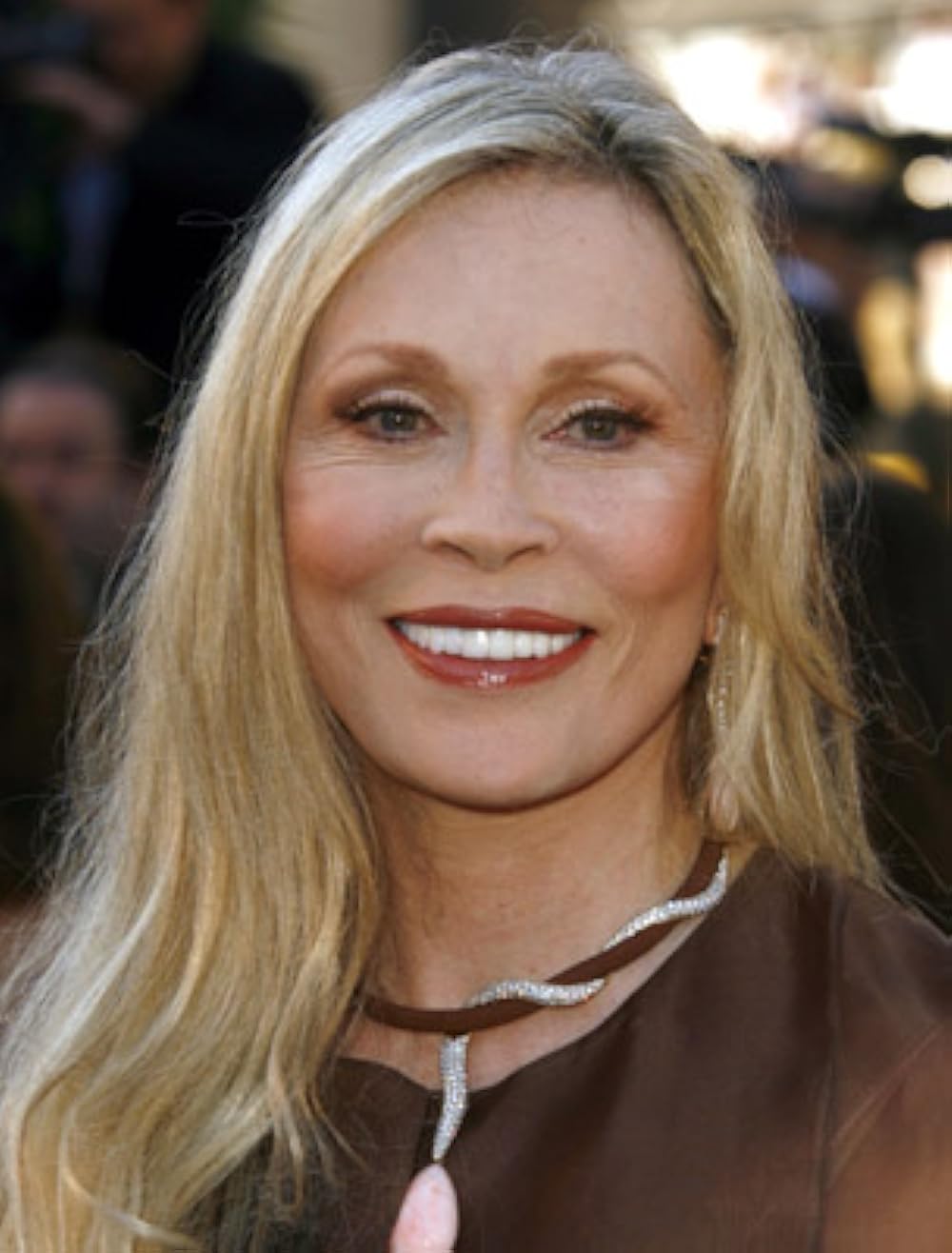
Faye Dunaway, a name synonymous with Hollywood’s golden age, stands as one of the most iconic actresses of the 20th century. With a career spanning over five decades, Dunaway has left an indelible mark on the entertainment industry, characterized by her unparalleled talent, striking beauty, and an enigmatic presence that captivated audiences worldwide. In this article, we delve into the life and career of Faye Dunaway, exploring her journey from humble beginnings to becoming a revered Hollywood legend. We will also look into her age, career milestones, and some of the most significant moments that have defined her illustrious life.
Early Life and Background
Dorothy Faye Dunaway was born on January 14, 1941, in Bascom, Florida, to Grace April, a homemaker, and John MacDowell Dunaway Jr., an Army officer. Her early years were marked by frequent relocations due to her father’s military career. This constant change of environment played a significant role in shaping her resilient and adaptable character, traits that would later serve her well in her acting career. The family’s frequent moves also exposed her to various cultures and ways of life, instilling in her a deep sense of curiosity and a desire to explore the world through the arts.
Rise to Fame: The 1960s
Faye Dunaway’s journey to stardom began in the early 1960s. After studying drama at Florida State University and Boston University, she moved to New York City, where she enrolled at the American National Theater and Academy. Her Broadway debut came in 1961 with “A Man for All Seasons,” where she played the daughter of Thomas More. This role marked the beginning of what would become a storied career in the performing arts.
Her breakthrough in film came in 1967 with the role of Bonnie Parker in “Bonnie and Clyde,” directed by Arthur Penn. The film, which also starred Warren Beatty, was a critical and commercial success, and Dunaway’s portrayal of the notorious outlaw earned her an Academy Award nomination for Best Actress. “Bonnie and Clyde” was not just a turning point for Dunaway but also a revolutionary film in American cinema, helping to usher in a new era of filmmaking that emphasized realism, anti-heroes, and complex characters.
The Golden Years: The 1970s
The 1970s were perhaps the most significant decade in Faye Dunaway’s career. During this period, she starred in some of the most iconic films of the time, cementing her status as a leading lady in Hollywood. In 1974, she starred in Roman Polanski’s “Chinatown” opposite Jack Nicholson. The film is widely regarded as one of the greatest films ever made, and Dunaway’s performance as the mysterious and troubled Evelyn Mulwray earned her another Academy Award nomination.
The same year, Dunaway appeared in “The Towering Inferno,” a blockbuster disaster film that was one of the highest-grossing films of the year. Her role in this film further solidified her status as a bankable star in Hollywood.
However, it was her portrayal of Diana Christensen in Sidney Lumet’s 1976 film “Network” that earned her the highest accolades of her career. Dunaway’s performance as the ruthless, ratings-obsessed television executive won her the Academy Award for Best Actress. “Network” was a scathing satire of the television industry and is still relevant today, with Dunaway’s performance being one of the key elements that made the film a classic.
The Challenges of the 1980s
While the 1970s were a time of professional triumph for Dunaway, the 1980s brought new challenges. After her success in “Network,” she appeared in a series of films that were not as well-received. In 1981, she starred in the biographical drama “Mommie Dearest,” where she portrayed the legendary actress Joan Crawford. While Dunaway’s performance was intense and committed, the film was widely criticized and earned her a Razzie Award for Worst Actress.
The critical backlash from “Mommie Dearest” affected Dunaway’s career, leading to fewer high-profile roles. However, she continued to work steadily throughout the decade, appearing in films such as “Barfly” (1987) opposite Mickey Rourke, which garnered her critical acclaim, and “The Wicked Lady” (1983), a historical drama that allowed her to showcase her versatility as an actress.
Resurgence and Later Career
Despite the setbacks of the 1980s, Faye Dunaway experienced a resurgence in the 1990s. She took on a variety of roles in both film and television, demonstrating her enduring talent and adaptability. Notable films from this period include “The Handmaid’s Tale” (1990), where she played the complex character of Serena Joy, and “Don Juan DeMarco” (1994), where she starred alongside Johnny Depp and Marlon Brando.
In addition to her film work, Dunaway also made several television appearances, including a guest role on the popular crime drama “CSI: Crime Scene Investigation.” Her return to the small screen was met with praise, as she brought the same level of intensity and commitment to her television roles as she did to her film performances.
Personal Life
Faye Dunaway’s personal life has been as eventful as her career. She has been married twice, first to the singer Peter Wolf from 1974 to 1979, and then to photographer Terry O’Neill from 1983 to 1987. She has one son, Liam Dunaway O’Neill, whom she adopted with her second husband. Throughout her life, Dunaway has been known for her fiercely independent spirit and her refusal to conform to Hollywood’s expectations.
Legacy and Impact
Faye Dunaway’s impact on Hollywood and the film industry as a whole cannot be overstated. She was one of the leading figures of the New Hollywood movement in the 1960s and 1970s, a period that saw the emergence of more realistic and socially conscious films. Her performances in films like “Bonnie and Clyde,” “Chinatown,” and “Network” have become iconic, and she remains a symbol of a bygone era of filmmaking that continues to inspire new generations of actors and filmmakers.
Dunaway’s ability to portray complex, multifaceted characters set her apart from many of her contemporaries. She often took on roles that challenged societal norms and expectations, whether it was as the anti-heroine Bonnie Parker, the troubled Evelyn Mulwray, or the ambitious Diana Christensen. Her willingness to take risks in her career and her commitment to her craft have earned her a lasting place in the pantheon of great American actresses.
Conclusion
Faye Dunaway is more than just a Hollywood star; she is a trailblazer who helped shape the course of American cinema. Her performances have left an indelible mark on the industry, and her influence can still be felt today. As she continues to work and inspire, Dunaway remains a testament to the power of talent, determination, and a relentless pursuit of excellence. In a career filled with highs and lows, Faye Dunaway’s legacy is one of resilience, brilliance, and an unwavering commitment to her art.
In exploring her life and career, we gain not only a deeper understanding of Faye Dunaway, the actress, but also a glimpse into the ever-evolving world of Hollywood, where true talent, like hers, can stand the test of time.


