
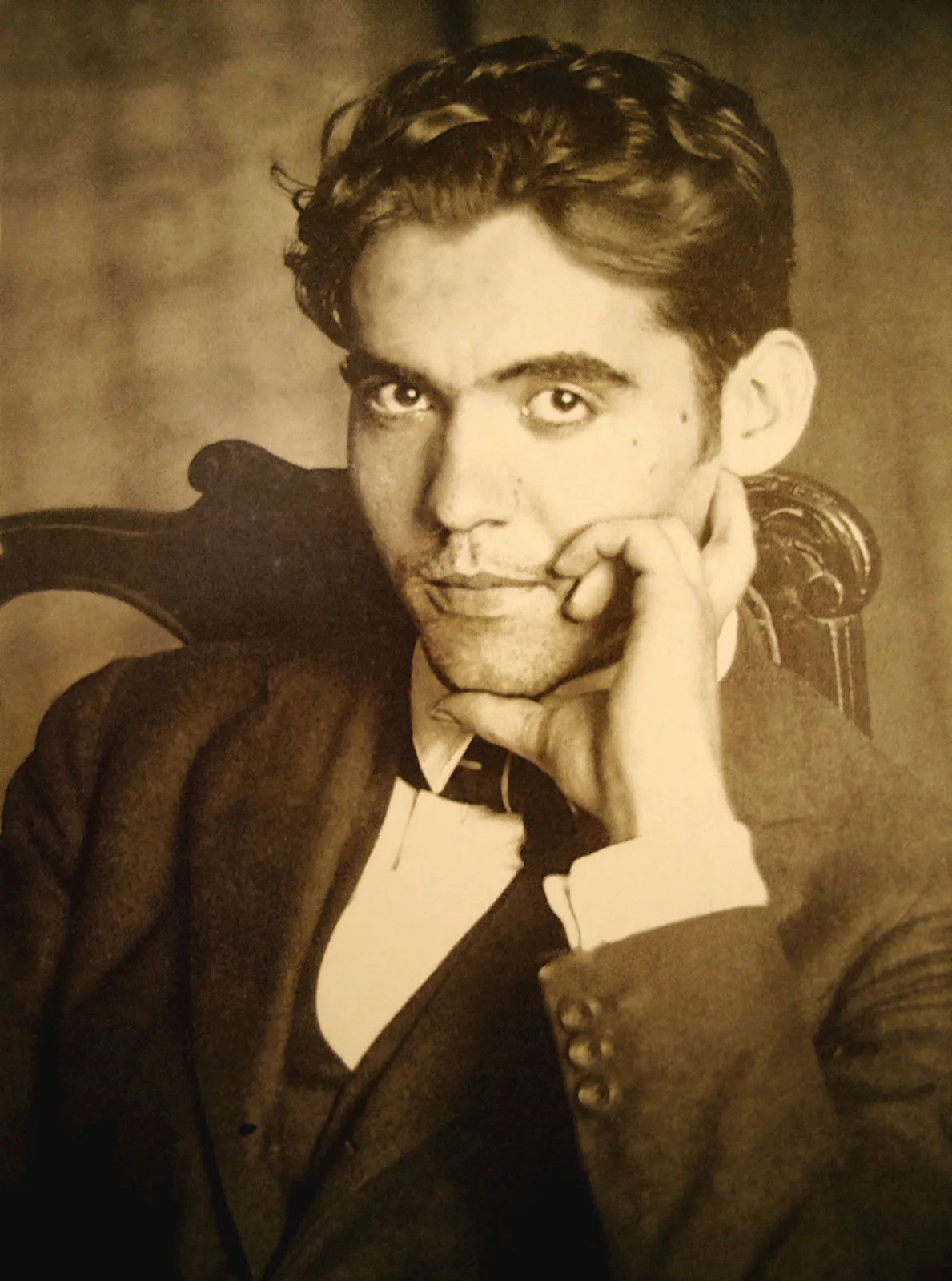
Federico García Lorca, one of Spain’s most revered and influential poets and playwrights, has left an indelible mark on world literature. Born on June 5, 1898, in the small town of Fuente Vaqueros near Granada, Lorca’s life was tragically cut short in 1936 during the Spanish Civil War. His work, however, continues to resonate with readers and audiences around the globe, exploring themes of love, death, and the human condition. This article delves into the life and legacy of Federico García Lorca, examining his rise to fame, the highlights of his career, and the cultural and historical context in which he lived and worked. Following SEO best practices, this piece is optimized for search engines, ensuring comprehensive coverage of Lorca’s life and works.
Early Life and Education: A Poet in the Making
Federico García Lorca was born into a family of landowners in the Andalusian region of Spain, an area steeped in rich cultural traditions and folklore that would later deeply influence his work. From a young age, Lorca exhibited a passion for music and theater, showcasing an extraordinary memory and a vivid imagination. Despite his natural talents, his early academic career was plagued by health problems and a lack of focus on traditional studies.
In 1915, Lorca enrolled at the University of Granada, where he initially studied law but quickly became involved in the artistic and literary circles of the time. It was during this period that he formed lifelong friendships with influential figures such as the jurist Fernando de los Ríos, who would remain a close confidant throughout Lorca’s life. His time at university also introduced him to the works of great Spanish poets and musicians, including Manuel de Falla and Antonio Machado, both of whom would profoundly impact his artistic development.
The Madrid Years: A Flourishing Artistic Career
In the early 1920s, Lorca moved to Madrid, where he became a key figure in the Residencia de Estudiantes, a hub for some of the most prominent intellectuals and artists of the time. It was here that he mingled with the likes of Salvador Dalí, Luis Buñuel, and Juan Ramón Jiménez, each of whom played a significant role in shaping his artistic vision. This period in Madrid was one of intense creativity for Lorca, as he began to experiment with different forms of writing, including poetry, plays, and essays.
Despite the fertile ground for creativity that Madrid provided, Lorca’s early theatrical works were met with indifference. His first plays, such as “El maleficio de la mariposa” (The Butterfly’s Evil Spell), failed to garner much attention, leaving him disheartened. However, these initial setbacks did not deter Lorca; instead, they fueled his determination to push the boundaries of conventional theater.
Literary Success: Poetic Masterpieces and Dramatic Innovations
Lorca’s breakthrough came with the publication of “Romancero Gitano” (Gypsy Ballads) in 1928, a collection of poems that explored the life and culture of the Romani people in Andalusia. The book was a commercial success and established Lorca as one of the leading voices in Spanish literature. His poetry, characterized by its lyrical beauty and profound emotional depth, resonated with readers and critics alike, solidifying his reputation as a master of the written word.
As Lorca’s fame grew, so did his ambitions. He continued to explore new themes and forms in his work, turning his attention to the stage with a renewed vigor. His plays, such as “Bodas de Sangre” (Blood Wedding), “Yerma,” and “La Casa de Bernarda Alba” (The House of Bernarda Alba), are now considered classics of Spanish theater. These works are notable for their exploration of social and political issues, particularly the oppression of women in Spanish society, as well as their use of poetic language and symbolism.
Lorca’s work during this period was not only a reflection of his artistic genius but also a response to the tumultuous political climate of Spain in the 1930s. His involvement with the avant-garde theater group La Barraca, which he co-founded, allowed him to bring theater to rural areas of Spain, making culture accessible to those who had traditionally been excluded from it. This effort to democratize art was a testament to Lorca’s belief in the power of literature and theater to effect social change.
Travels and Cultural Exchanges: A Global Perspective
In the early 1930s, Lorca’s fame extended beyond Spain’s borders. His travels to the United States and Cuba provided him with new experiences and perspectives that would further influence his work. During his stay in New York City, Lorca was struck by the stark contrasts and social inequalities of American society, which he vividly captured in his collection “Poeta en Nueva York” (Poet in New York). This work is a departure from his earlier, more folkloric style, embracing a surrealist approach that reflected the chaos and alienation he observed in the modern world.
Lorca’s time in Cuba also had a profound impact on him. He was captivated by the island’s vibrant culture and the fusion of African, European, and indigenous influences. This period of cultural exchange enriched Lorca’s understanding of the world and deepened his appreciation for the diversity of human experience. His works from this period reflect a more global outlook, as he sought to connect the struggles of the marginalized and oppressed in Spain with those he encountered abroad.
The Spanish Civil War: Tragedy and Legacy
The 1930s were a time of great political upheaval in Spain, culminating in the outbreak of the Spanish Civil War in 1936. Lorca, who had long been a vocal supporter of social justice and a critic of the rising tide of fascism in Europe, became increasingly involved in the political struggles of his time. In February 1936, just months before the war began, Lorca and fellow poet Rafael Alberti signed a manifesto supporting the Popular Front, a coalition of left-wing parties.
Despite his efforts to remain neutral in the increasingly polarized environment, Lorca’s association with progressive causes and his outspoken views made him a target. On August 19, 1936, shortly after the outbreak of the civil war, Lorca was arrested by Nationalist forces in Granada. He was taken to the village of Víznar, where he was executed without trial and buried in an unmarked grave. His death, at the age of 38, sent shockwaves throughout Spain and the literary world.
The exact circumstances of Lorca’s death remain shrouded in mystery, but it is widely believed that his assassination was politically motivated, a reflection of the brutal repression that characterized the Spanish Civil War. Lorca’s murder not only silenced one of Spain’s most gifted writers but also came to symbolize the broader tragedy of a nation torn apart by ideological conflict.
The Posthumous Influence: Lorca’s Enduring Legacy
Despite his untimely death, Federico García Lorca’s influence has continued to grow in the decades since his passing. His works have been translated into numerous languages and remain widely read and performed around the world. Lorca’s ability to blend the personal with the political, the traditional with the avant-garde, has ensured that his writing remains relevant across generations.
Lorca’s poetry and plays have inspired countless artists, writers, and musicians. His exploration of themes such as identity, desire, and mortality resonates as deeply today as it did during his lifetime. The musicality of his language, combined with his profound understanding of the human condition, has made Lorca a towering figure in both Spanish and world literature.
In Spain, Lorca’s legacy is particularly powerful. He is celebrated not only as a literary genius but also as a martyr of the Spanish Civil War. His life and work have become symbols of the struggle for freedom and justice in the face of oppression. The search for his remains, which continues to this day, is a testament to the enduring impact of his life and death on the Spanish people.
Historical Context: The Spain Lorca Lived In
To fully appreciate Federico García Lorca’s contributions, one must understand the historical context of early 20th-century Spain. Born in 1898, Lorca lived through one of the most turbulent periods in Spanish history, marked by the decline of the Spanish Empire, the rise of the Second Republic, and the eventual descent into civil war.
The social and political upheavals of this era deeply influenced Lorca’s work. His writing often reflects the tensions and contradictions of Spanish society, particularly the struggles of the rural poor, the oppression of women, and the conflict between tradition and modernity. Lorca’s close ties to the avant-garde movement in Madrid, combined with his deep roots in Andalusian culture, allowed him to bridge the gap between the old and the new, creating works that were both innovative and deeply connected to the Spanish experience.
Challenges and Controversies: Lorca’s Life and Death
Federico García Lorca’s life was not without its challenges and controversies. His open homosexuality, in a deeply conservative and Catholic society, was a source of both personal pain and artistic inspiration. While Lorca’s sexuality was not explicitly addressed in his work, it is often interpreted as a key element of his poetic voice, particularly in its exploration of themes such as forbidden love and societal repression.
Lorca’s political views also brought him into conflict with the authorities of his time. His support for the Spanish Republic and his criticism of the growing fascist movement in Spain made him a target for right-wing forces during the Spanish Civil War. This political stance, combined with his status as a prominent intellectual and cultural figure, ultimately led to his arrest and execution by Nationalist forces.
The controversy surrounding Lorca’s death has only added to his mystique and legacy. For decades, the Spanish government refused to acknowledge his assassination, and it was not until the end of Franco’s dictatorship that his work and life began to be openly discussed and celebrated in Spain. Today, Lorca is recognized not only as one of Spain’s greatest writers but also as a symbol of the struggle for freedom and human rights.
Conclusion: Lorca’s Enduring Influence
Federico García Lorca’s life and work continue to inspire and captivate audiences around the world. His unique ability to blend traditional Spanish culture with modernist innovation has ensured that his poetry and plays remain timeless. Lorca’s exploration of universal themes such as love, death, and identity, combined with his lyrical mastery, has earned him a place among the greatest writers of the 20th century.
As we reflect on Lorca’s legacy, it is clear that his influence extends far beyond the realm of literature. He is a cultural icon, a symbol of resistance against tyranny, and a voice for the marginalized and oppressed. Lorca’s tragic death during the Spanish Civil War has only heightened the impact of his work, transforming him into a martyr for the cause of artistic freedom and social justice.
In remembering Federico García Lorca, we honor not only his extraordinary contributions to literature but also his unwavering commitment to the values of truth, beauty, and justice. His work remains a beacon of hope and inspiration, reminding us of the enduring power of art to transcend time and place, and to speak to the deepest truths of the human experience.


