
Introduction
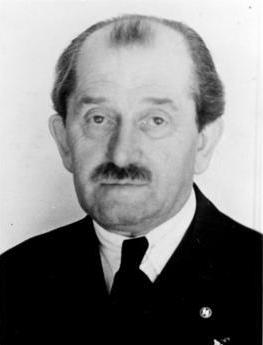
Ferdinand Porsche, born on September 3, 1875, in Maffersdorf, Austria-Hungary (now Czech Republic), is a name synonymous with automotive innovation and engineering excellence. As the founder of the Porsche car company and a key figure in the development of some of the most iconic vehicles of the 20th century, Porsche’s legacy extends far beyond his own lifetime. This detailed exploration delves into Ferdinand Porsche’s age, fame, and significant life highlights, offering a comprehensive look at his career, personal experiences, and enduring impact on the automotive industry.
Early Life and Background
Childhood and Education
Ferdinand Porsche was born into a modest family in Maffersdorf. His father, Anton Porsche, was a metalworker, which provided Ferdinand with an early exposure to engineering and craftsmanship. Porsche’s interest in mechanics and engineering was evident from a young age, and he demonstrated a keen aptitude for technical subjects.
Porsche’s formal education began at the local schools in his hometown, where he excelled in technical subjects. He later attended the Technical School of Reichenberg (now Liberec), where he further honed his engineering skills. This period of education laid the foundation for his future career as an automotive pioneer.
Early Career and Apprenticeships
Before founding his own company, Ferdinand Porsche worked for various engineering firms in Austria-Hungary and Germany. His early career included apprenticeships and positions that allowed him to gain practical experience in mechanical engineering and automotive design. These formative years were crucial in shaping his innovative approach to vehicle design and engineering.
Rise to Fame
Founding of Porsche
In 1931, Ferdinand Porsche established his own consulting firm, Dr. Ing. h.c. F. Porsche GmbH, in Stuttgart, Germany. The firm initially focused on providing engineering consulting services, but it quickly gained recognition for its innovative designs and solutions. Porsche’s expertise in automotive engineering and design soon attracted attention from major automotive manufacturers.
Contributions to Automotive Engineering
Ferdinand Porsche’s contributions to automotive engineering were groundbreaking. One of his most notable achievements was the development of the Porsche 356, the company’s first production car. Introduced in 1948, the 356 was a testament to Porsche’s engineering prowess and established the foundation for the brand’s future success. The car’s distinctive design, including its rear-engine layout and aerodynamic shape, set new standards in the automotive industry.
The Porsche 911
The Porsche 911, introduced in 1964, is perhaps the most iconic vehicle associated with Ferdinand Porsche’s legacy. Designed by his son, Ferdinand “Butzi” Porsche, the 911 became an enduring symbol of automotive excellence and innovation. Its distinctive design, including its rear-engine configuration and sleek lines, has made it a classic and highly sought-after vehicle.
The 911’s success was not only due to its design but also its performance. The car’s handling, reliability, and engineering precision set it apart from its competitors and solidified Porsche’s reputation as a leading automotive manufacturer.
Personal Life and Challenges
Family Life
Ferdinand Porsche married Aloisia Kälberer in 1903, and the couple had two children, Ferdinand “Butzi” Porsche and Louise Piëch. Ferdinand “Butzi” Porsche played a crucial role in continuing his father’s legacy, particularly through the development of the Porsche 911. The Porsche family’s contributions to the automotive industry have had a lasting impact and continue to influence the brand’s direction.
Challenges and World War II
Porsche’s career was not without its challenges. During World War II, Ferdinand Porsche and his company were involved in the development of military vehicles and technology, including the Volkswagen Beetle, which was commissioned by Adolf Hitler. The war years were a period of significant strain and ethical dilemmas for Porsche, and the aftermath of the war brought further challenges.
After the war, Porsche was briefly imprisoned by French authorities due to his wartime activities. This period of incarceration affected his health and had a lasting impact on his personal and professional life.
Later Years and Legacy
Despite the challenges he faced, Ferdinand Porsche continued to be actively involved in the automotive industry until his death on January 30, 1951. His legacy is defined by his pioneering spirit and innovative contributions to automotive engineering. Porsche’s vision and expertise laid the groundwork for the continued success of the Porsche brand and its enduring influence on the automotive world.
Major Contributions and Innovations
The Volkswagen Beetle
One of Ferdinand Porsche’s most significant contributions to automotive history is the development of the Volkswagen Beetle. Commissioned by Adolf Hitler as part of his vision for an affordable “people’s car,” the Beetle became one of the most successful and recognizable vehicles of the 20th century. Porsche’s innovative design and engineering ensured that the Beetle met the demands of affordability, reliability, and performance.
Advances in Automotive Design
Ferdinand Porsche’s work in automotive design extended beyond the Volkswagen Beetle. His consulting firm played a pivotal role in developing various vehicles for different manufacturers, including Mercedes-Benz and Auto Union. Porsche’s expertise in designing efficient and high-performance engines set new standards for the automotive industry.
Influence on Modern Automotive Engineering
The principles and innovations introduced by Ferdinand Porsche continue to influence modern automotive engineering. His emphasis on precision, performance, and design excellence remains central to the Porsche brand’s philosophy. The engineering standards established by Porsche have been adopted and refined by subsequent generations of automotive engineers.
Porsche’s Legacy and Impact
The Porsche Brand
The Porsche brand, founded by Ferdinand Porsche, has become synonymous with performance, luxury, and innovation. The company’s continued success and reputation are a direct result of Ferdinand Porsche’s pioneering work and vision. Today, Porsche is known for producing some of the most desirable and high-performance vehicles in the world, including the iconic Porsche 911 and the Porsche Panamera.
Cultural and Historical Significance
Ferdinand Porsche’s contributions to automotive engineering have had a profound impact on both the industry and popular culture. His innovations have influenced vehicle design, performance standards, and manufacturing techniques. Porsche’s legacy is celebrated not only within the automotive community but also in broader cultural contexts, reflecting his lasting impact on modern engineering and design.
Ongoing Influence and Recognition
The recognition of Ferdinand Porsche’s achievements extends beyond his lifetime. Various awards, honors, and accolades have been bestowed upon him and the Porsche brand in acknowledgment of their contributions to automotive excellence. Porsche’s influence continues to be felt in the industry, as new generations of engineers and designers build upon the foundation he established.
Conclusion
Ferdinand Porsche’s life and career are marked by remarkable achievements and enduring contributions to the automotive industry. From his early work as an engineer to his role in founding the Porsche brand, Porsche’s legacy is defined by innovation, excellence, and a commitment to advancing automotive design and engineering. His pioneering spirit and groundbreaking work have left an indelible mark on the industry, ensuring that his influence will be felt for generations to come.
As we reflect on Ferdinand Porsche’s legacy, it is evident that his contributions to automotive engineering have shaped the course of modern vehicle design and performance. Porsche’s innovations, including the Volkswagen Beetle and the Porsche 911, remain iconic symbols of his vision and expertise. Ferdinand Porsche’s impact on the automotive world is a testament to his brilliance and enduring influence, cementing his place as a key figure in the history of engineering and design.


