
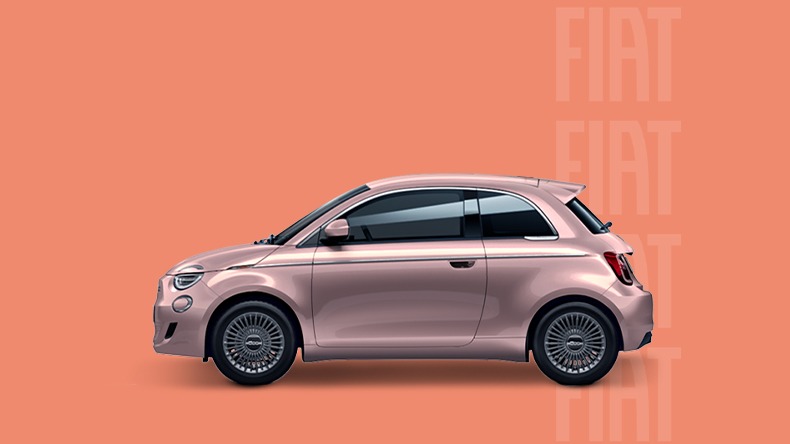
FIAT, an acronym for Fabbrica Italiana Automobili Torino, is a name synonymous with the automotive industry in Italy and across the world. Founded on July 11, 1899, in Turin, Italy, FIAT has grown from a small car manufacturer into a global powerhouse, influencing not only the automotive sector but also the broader industrial landscape. This article delves into the history of FIAT, its rise to fame, and the key milestones that have shaped its journey over more than a century.
The Founding and Early Years
The story of FIAT begins in the late 19th century when Giovanni Agnelli, along with a group of fellow investors, founded the company in Turin. The early days of FIAT were marked by modest beginnings. The company’s first factory, established in 1900, employed just 35 workers who produced around 24 cars in the first year. The first model, known as the FIAT 3½ HP, was a rudimentary vehicle by today’s standards but a significant step forward at the time.
From the outset, FIAT was driven by innovation and a desire to expand. By 1903, the company had already made its debut on the stock market, signaling its ambitions for growth. FIAT’s early production wasn’t limited to automobiles; the company quickly diversified, manufacturing engines for airplanes, buses, trams, and even trucks. This diversification laid the foundation for FIAT’s expansive influence in various industrial sectors.
Expansion and the Birth of Mass Production
As FIAT grew, so did its ambitions. The company’s focus on innovation was exemplified by the construction of the Lingotto factory in Turin, which began in 1916 and became operational in the 1920s. The Lingotto plant was a marvel of industrial architecture, featuring a rooftop test track and a design that facilitated mass production—an approach inspired by Henry Ford’s assembly line techniques in the United States.
The 1920s and 1930s were periods of significant growth for FIAT. The company expanded its production capabilities and began exporting vehicles worldwide, reaching markets as far afield as Australia and the United States. FIAT’s global expansion was not just about selling cars; the company also played a crucial role in the development of infrastructure in various countries by providing buses, trams, and other vehicles.
During this time, FIAT also ventured into the production of the Littorina, the world’s first self-propelled railcar, which was introduced in 1930. This innovation further established FIAT as a leader in the transportation sector, demonstrating its ability to apply automotive technology to different forms of transportation.
The Post-War Era and Economic Boom
The aftermath of World War II was a challenging period for FIAT, as it was for many European companies. However, FIAT emerged from the war stronger, playing a pivotal role in Italy’s post-war economic recovery. The company’s Mirafiori plant, inaugurated in 1939, became a symbol of this recovery, quickly ramping up production to meet the growing demand for affordable vehicles in a rapidly modernizing Italy.
The 1950s and 1960s were golden years for FIAT, marked by the introduction of iconic models that would become household names. In 1955, FIAT launched the 600, a small, affordable car that was perfectly suited to the needs of post-war Italy. Two years later, FIAT introduced the 500, a compact car that became a symbol of Italy’s economic recovery and a cultural icon in its own right. These models were not just popular in Italy; they were exported worldwide, cementing FIAT’s reputation as a manufacturer of practical and reliable vehicles.
During this period, FIAT also expanded its industrial footprint globally, opening new factories and establishing partnerships in countries across Europe, Latin America, and beyond. The company’s global expansion was a testament to its growing influence and ambition to be a leader not just in the automotive sector but in the broader industrial landscape.
Innovations and Challenges in the Late 20th Century
As FIAT moved into the 1970s, the company continued to innovate, introducing new models that kept pace with the evolving needs of consumers. The 127, launched in 1971, was one such model that became hugely popular, especially among younger drivers. FIAT also continued to diversify its operations, converting into a holding company that oversaw various subsidiaries, including FIAT Trattori, which focused on agricultural machinery, and Magneti Marelli, a company known for its advanced automotive components.
The 1980s saw FIAT reach new heights with the introduction of models like the Panda, which became a leader in the small car segment, and the Uno, which was unveiled at Cape Canaveral, Florida, in 1983. The Uno was a critical success, known for its fuel efficiency and practicality, and it quickly became one of FIAT’s best-selling models. The decade also saw the launch of the Tipo in 1988, a car that won numerous awards, including the prestigious European Car of the Year.
However, the late 20th century was not without its challenges for FIAT. The company faced increasing competition from other European and Japanese automakers, which put pressure on its market share. Additionally, FIAT’s foray into the luxury car market with the acquisition of Maserati in 1993 brought mixed results. While the brand added prestige to FIAT’s portfolio, it also required significant investment to revive its fortunes.
The Turn of the Millennium: Crises and Rebirth
As the 21st century began, FIAT found itself facing significant challenges. The global automotive market was becoming increasingly competitive, and FIAT’s traditional markets were being eroded by new entrants. The company’s financial performance suffered, leading to a series of crises in the early 2000s.
The deaths of key figures, such as Giovanni Agnelli in 2003 and his brother Umberto Agnelli shortly thereafter, left a leadership vacuum that was difficult to fill. Luca Cordero di Montezemolo took over as president, while Sergio Marchionne was appointed CEO. Marchionne, known for his bold and unconventional management style, embarked on a series of radical changes to turn the company around.
One of the most significant moves under Marchionne’s leadership was the alliance with Chrysler in 2009, which eventually led to the formation of Fiat Chrysler Automobiles (FCA) in 2014. This merger was crucial for FIAT’s survival, as it allowed the company to expand its presence in the North American market and gain access to Chrysler’s extensive dealership network and product lineup.
The alliance with Chrysler was not just a business transaction; it represented a cultural and strategic shift for FIAT, as the company increasingly focused on becoming a global player in the automotive industry. Under Marchionne’s leadership, FIAT also revitalized its product lineup, reintroducing the FIAT 500 in 2007 as a retro-styled compact car that quickly became a hit in Europe and North America.
The Modern Era: Innovation and Global Expansion
The creation of FCA marked a new chapter in FIAT’s history, as the company continued to expand its global footprint. Under the FCA banner, FIAT and Chrysler worked together to develop new models and technologies that would meet the demands of a rapidly changing automotive market. The company invested heavily in research and development, focusing on electric vehicles, autonomous driving, and other emerging technologies.
FIAT also expanded its brand portfolio, acquiring and integrating other iconic names in the automotive world, including Jeep and Alfa Romeo. These brands, combined with FIAT’s core offerings, helped FCA become a major player in the global automotive market.
In 2021, another significant milestone was reached with the merger of FCA and the French automaker Groupe PSA, resulting in the creation of Stellantis, one of the largest automotive companies in the world. This merger brought together a wide range of brands, including Peugeot, Citroën, and Opel, under a single umbrella, creating a diversified portfolio that spans the full spectrum of the automotive market.
The formation of Stellantis represents the latest evolution of FIAT, as the company continues to adapt to the changing dynamics of the global automotive industry. With a focus on innovation, sustainability, and global reach, FIAT remains a key player in shaping the future of transportation.
Conclusion: The Legacy of FIAT
FIAT’s journey from a small car manufacturer in Turin to a global automotive giant is a story of innovation, resilience, and strategic vision. Over more than a century, FIAT has played a pivotal role in the development of the automotive industry, not only in Italy but around the world. The company’s ability to adapt to changing market conditions, embrace new technologies, and expand its global footprint has ensured its continued relevance in an increasingly competitive industry.
As part of Stellantis, FIAT is well-positioned to continue its legacy of innovation and leadership in the automotive world. The company’s commitment to sustainability and its focus on developing the next generation of vehicles will be crucial as it navigates the challenges and opportunities of the 21st century.
In the end, FIAT is more than just a car manufacturer; it is a symbol of Italian ingenuity and industrial prowess. From its early days in Turin to its current status as a global powerhouse, FIAT’s history is a testament to the power of vision, determination, and innovation.


